Understanding the Role of Vitamins in Eye Health and Vision
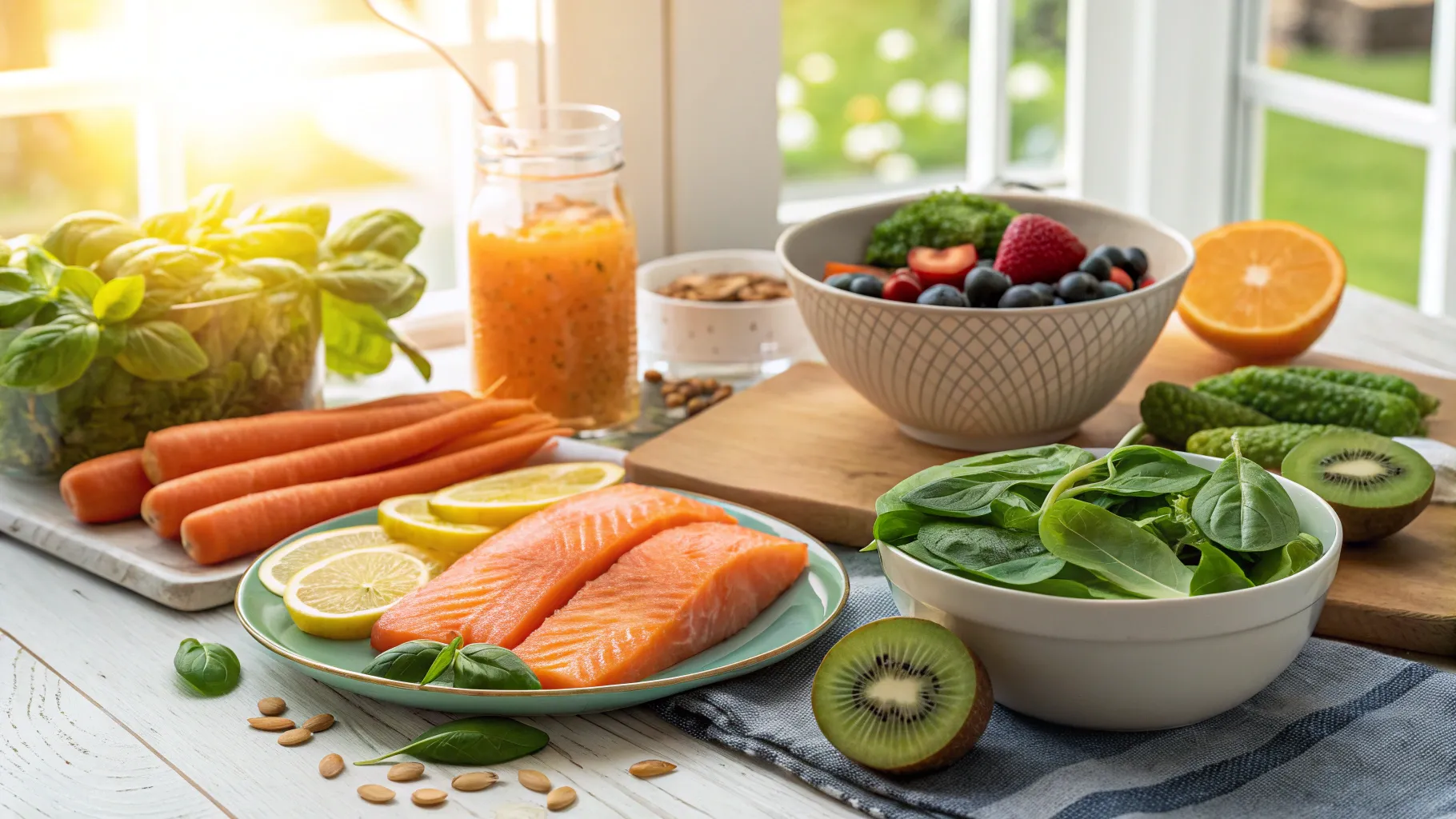
Role of Vitamins in Eye Health and Vision
As we move through 2025, the link between nutrition and eye health continues to gain attention. With the rise in screen time for both work and leisure, understanding the importance of proper nutrition is crucial for maintaining healthy vision. Vitamins that support eye health are more than just supplements; they contribute to preserving eyesight and reducing the risk of vision-related problems. Consuming the right nutrients can help alleviate eye strain and support overall visual wellness.
Key Eye Health Vitamins You Should Know
Several vitamins and nutrients have been identified as crucial for sustaining eye health. Let's delve into the most important ones and explore their benefits:
- Vitamin A: This powerhouse vitamin is abundant in foods such as carrots, sweet potatoes, and leafy greens. It is vital for good vision as it helps maintain the retina's health. A deficiency can lead to night blindness and other severe ocular conditions.
- Vitamin C: An antioxidant superhero, Vitamin C is essential for eye health. Recent studies indicate that adequate levels can lower the risk of cataracts and age-related macular degeneration (AMD). Fresh citrus fruits, strawberries, and bell peppers should be your go-to sources.
- Vitamin E: Alongside Vitamin C, Vitamin E acts as a protective agent against oxidative stress that can damage cells in the eyes. Nuts, seeds, and green leafy vegetables are not only healthy snacks but also significant sources of this beneficial nutrient.
- Lutein and Zeaxanthin: These carotenoids, found primarily in green leafy veggies like kale and spinach, have been proven to filter harmful blue light, reducing the risk of AMD. Incorporating these into your diet is a proactive step for hydrogel health.
- Omega-3 Fatty Acids: Essential for maintaining the structural integrity of cell membranes in the retina, omega-3s play a role in alleviating dry eye symptoms. Sources include fatty fish like salmon, sardines, and plant-based options like walnuts and flaxseeds.
Numerous studies conducted in late 2024 have highlighted the benefits of these vitamins for eye comfort. Participants who increased their intake of these nutrients reported significant improvements in visual clarity and less discomfort associated with prolonged screen use.
Foods for Healthy Eyesight
While supplements can be beneficial, the best way to obtain essential vitamins is through a balanced diet rich in eye-friendly foods. Here are some delicious options to consider:
- Carrots: Known for their high beta-carotene content, carrots are a classic food associated with good vision.
- Leafy Greens: Spinach, kale, and collard greens are overflowing with lutein and zeaxanthin, making them top contenders for eye health.
- Fish: Fatty fish varieties like salmon, sardines, and mackerel are among the best sources of omega-3 fatty acids, crucial for retinal health.
- Eggs: Rich in lutein, zeaxanthin, and zinc—they can help lower the risk of developing AMD.
- Fruits: Colorful fruits such as berries and citrus not only provide vital antioxidants but also help reduce eye strain.
Incorporating these foods into your meals can be both enjoyable and straightforward. Consider a fresh salad loaded with spinach and colorful veggies or a savory dinner of grilled salmon paired with roasted broccoli. Not to forget, staying hydrated is equally important; drinking plenty of water helps maintain optimal moisture levels in the eyes, preventing dryness and irritation.
General Eye Health Nutrition Tips
Prioritizing your eye health involves more than just ensuring you get enough vitamins. Here are some additional strategies for enhancing your vision wellness:
- Balanced Diet: Aim for a colorful plate filled with a variety of vegetables, whole grains, healthy fats, and lean proteins. A diverse diet ensures you are receiving a broad spectrum of nutrients.
- Regular Eye Check-ups: Don’t underestimate the importance of routine eye exams. Comprehensive check-ups can help catch early signs of problems before they become significant issues.
- Eye Protection: Always wear sunglasses that offer UV protection when you step outside. This simple habit can guard against sun damage that may lead to cataracts.
- Limit Screen Time: Follow the 20-20-20 rule; every 20 minutes, focus on something at least 20 feet away for 20 seconds. This technique helps relieve eye strain caused by screens.
- Avoid Smoking: Smoking has been linked to vision issues, including AMD and cataracts. Ditching the habit can have multiple health benefits, including better eye health.
Shifting our focus to eye-friendly nutrition can empower you to make informed dietary choices. This awareness has grown significantly as public health campaigns continue to highlight the significance of diet in maintaining ocular health. As a result, many individuals are reassessing their eating habits and seeking ways to incorporate more vision-supporting nutrients into their meals.
In 2025, taking a proactive approach to nourish your eyes is imperative. By combining the right vitamins, nutrient-dense foods, and healthy lifestyle practices, not only can you protect and enhance your vision, but also improve your overall quality of life. Remember, your eyes deserve the best!