How to Identify Early Signs of Tooth Enamel Erosion
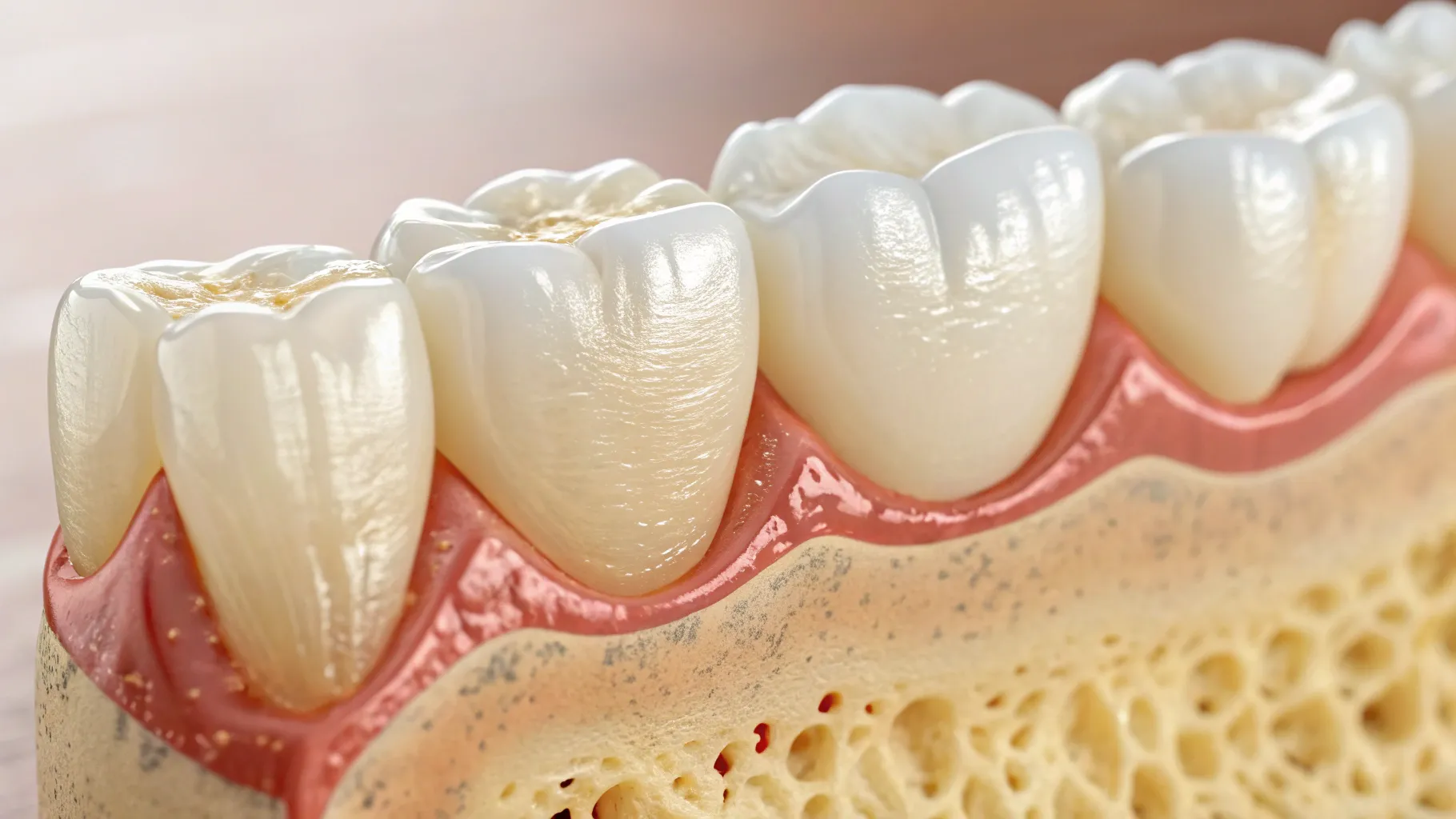
Understanding the Early Signs of Tooth Enamel Erosion
Tooth enamel is the hard, outer layer that protects teeth from damage and decay. It serves as a barrier, shielding the softer, more sensitive tissues underneath. Maintaining healthy enamel is essential for overall dental health. However, enamel erosion can develop gradually and often goes unnoticed in its early stages. Recognizing the initial signs of enamel erosion is important to prevent further damage and potential dental complications. Increasing awareness of oral health helps individuals take informed steps to preserve their teeth over time.
What Causes Enamel Erosion?
The causes of enamel erosion are numerous and often intertwined. Understanding these factors can be pivotal in prevention. Let’s explore some of the leading causes that can bring about this dental concern:
- Acidic Foods and Beverages: Our diets today often include high levels of acidic items, from citrus fruits and soft drinks to wine and vinegar-based dressings. These acids soften the enamel, making it vulnerable to damage over time.
- Dry Mouth: If you experience chronic dry mouth, perhaps due to medication or certain health conditions, you are at a greater risk for enamel erosion. Saliva is essential in neutralizing oral acids, and without it, your mouth becomes an environment conducive to erosion.
- Poor Oral Hygiene: Skipping your regular brushing and flossing routine leads to plaque buildup. This plaque forms acids, which can directly contribute to enamel erosion.
- Brushing Too Hard: While it's critical to keep teeth clean, being overly aggressive or using a toothbrush with hard bristles can wear away enamel over time.
- Food Intolerances: Conditions such as gastroesophageal reflux disease (GERD) can cause stomach acid to regurgitate into your mouth, continuously exposing your teeth to strong acids and increasing the risk of erosion.
How to Recognize Enamel Erosion
Being informed about the signs of enamel wear can help you act quickly to maintain your dental health. Pay attention to these early symptoms:
- Sensitive Teeth: Increased sensitivity when eating hot or cold foods and drinks can indicate that your enamel is wearing thin.
- Visible Discoloration: As enamel erodes, the underlying dentin, which is yellower in color, becomes more visible, often leading to a duller, less attractive smile.
- Transparency at the Edges: If you’ve begun noticing that the edges of your teeth appear more transparent, this is a strong indicator of enamel erosion. The tips may look dulled or less sharp.
- Indentations or Grooves: The development of visible pits or grooves on your teeth is another sign that your enamel is wearing away, which can also lead to food particles getting trapped.
- Frequent Cavities: If you find yourself facing an increased number of cavities, damaged enamel could be the culprit behind the problem, reducing your teeth's natural defenses against decay.
Ways to Protect Tooth Enamel Naturally
Once you understand what causes enamel erosion and how to identify its signs, the next step is to know how to protect your enamel effectively. Here are some practical, natural strategies you can incorporate into your daily routine:
- Eat a Balanced Diet: Focus on consuming foods rich in calcium and phosphorus. Dairy products like cheese and yogurt strengthen teeth, while fresh, crunchy fruits and vegetables can help scrub your teeth naturally, enhancing hygiene.
- Stay Hydrated: Drinking plenty of water throughout the day, especially after meals, helps wash away food debris and neutralize acids, maintaining a favorable oral environment.
- Limit Snacking on Sugary or Acidic Foods: Moderating your intake of sugar-laden and acidic snacks can make a notable difference. If you indulge, follow up with water or chew sugar-free gum to stimulate saliva flow.
- Employ Proper Brushing Techniques: Use a soft-bristled toothbrush and gentle brushing motions. After eating acidic foods, consider waiting about 30 minutes before brushing—this allows enamel time to harden again.
- Fluoride Treatments: Have a chat with your dentist about fluoride treatments or using fluoride toothpaste. Fluoride helps remineralize areas where enamel may be thinning and offers protection against decay.
Dental experts today, like Dr. Jane Holloway from Chicago, insist on the necessity of routine dental check-ups for detecting enamel erosion early. One recent study highlights that around 25% of adults display signs of enamel wear, underscoring the importance of awareness and preventative measures.
Regular visits to a dentist not only provide professional cleaning but can also offer personalized strategies to protect your enamel effectively. Proactive measures—such as improving your oral hygiene routine and modifying your dietary habits—can significantly impact your oral health over the long term. Remember, your enamel is not simply a layer; it's a critical component of your overall dental health.
Investing in good oral hygiene practices will help prevent enamel erosion and preserve your beautiful smile well into the future. With an understanding of the causes and early signs of erosion, you can take control of your dental health today, ensuring your teeth remain strong and healthy for years to come.