Understanding Early Signs of Melanoma and Skin Changes
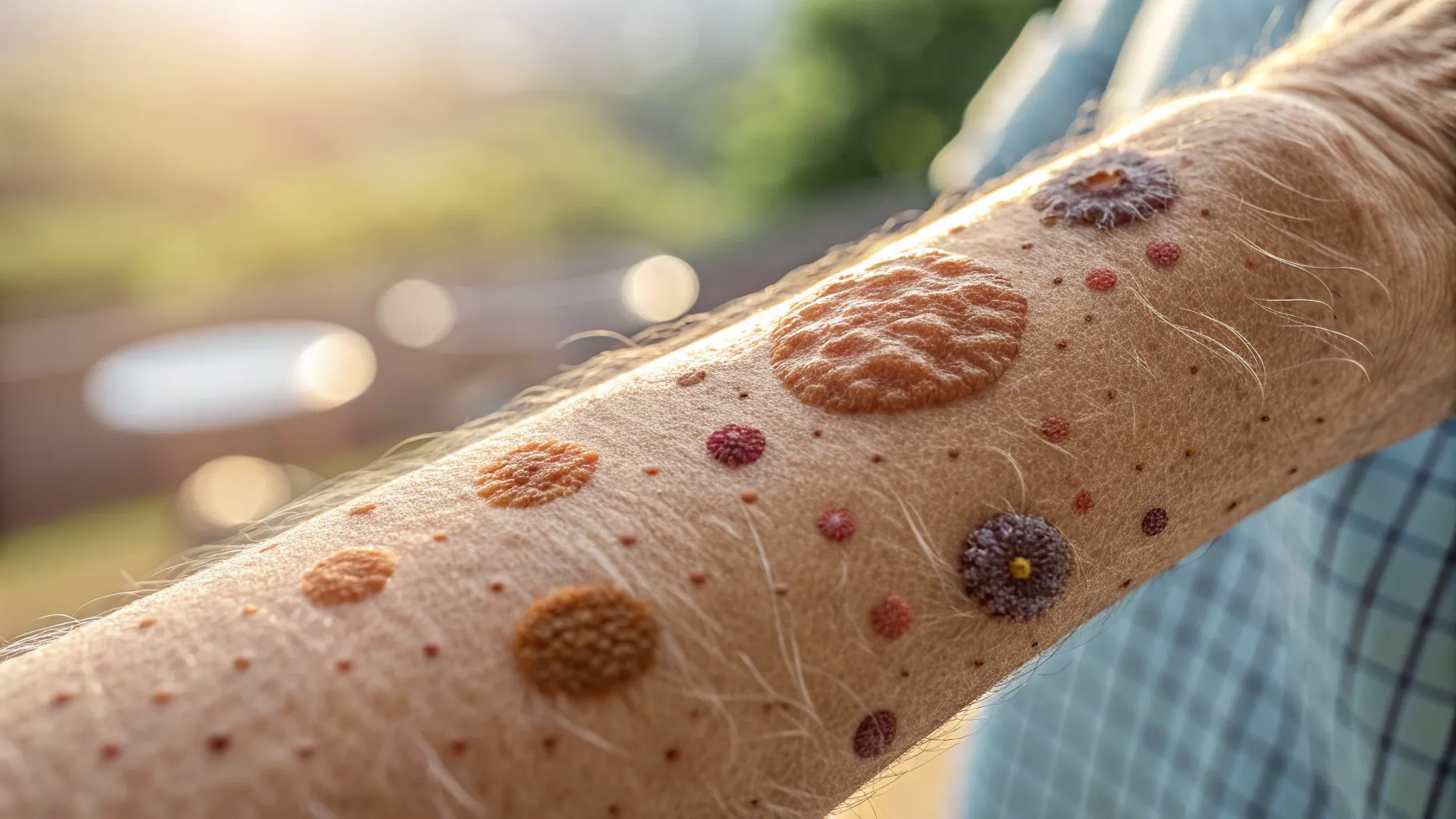
Recognizing Early Signs of Melanoma and How to Identify Them
Melanoma, the most serious form of skin cancer, continues to be a growing health issue. According to current projections, roughly 1 in 38 men and 1 in 24 women will face a diagnosis of melanoma in their lifetime. Observing early signs of melanoma can be paramount for maintaining health; in fact, research suggests that the five-year survival rate exceeds 90% when melanoma is caught in its early stages. Thus, understanding how to spot these signs is crucial for anyone to promote timely diagnosis and treatment.
Recognizing Skin Changes: Important Warning Signs
Becoming familiar with your skin is the first step in spotting potential issues, including melanoma. Routine self-exams are essential for monitoring any skin changes. Here are some key characteristics to look for during these examinations:
- Asymmetry: If you draw a line through the mole, the two halves shouldn’t match in shape and color.
- Border: Watch for edges that are irregular, scalloped, or blurred — these can be indicative of melanoma.
- Color: Moles with multiple colors (such as brown, black, tan, red, white, and blue) should raise concern.
- Diameter: A melanoma is often larger than 6 millimeters (approximately the size of a pencil eraser) but can also be smaller when diagnosed.
- Evolving: Any mole that changes—in size, color, or shape—or shows new symptoms such as itching or bleeding should be evaluated by a medical professional.
The ABCDE rule of melanoma detection—Asymmetry, Border, Color, Diameter, Evolving—serves as an effective tool for identifying potential issues. Regular self-checks are vital; ensure you’re also attentive to any sudden changes across your skin, as early intervention can result in more successful outcomes.
Strategies for Melanoma Awareness and Monitoring Skin Changes
Recognizing melanoma early can significantly improve treatment efficacy. Here are several proactive steps to enhance skin health awareness:
- Perform Regular Skin Self-Exams: Aim to check your skin thoroughly at least once a month. Use mirrors strategically to inspect hard-to-see areas, including the back, scalp, and even between toes.
- Use Technology: Consider skin health apps designed for tracking changes and monitoring your skin’s condition. These apps can send reminders for regular checks and let you document changes over time, making them a great tool for your skin care regime.
- Seek Professional Guidance: Schedule an annual appointment with a dermatologist. Increased frequency may be necessary if you have a history of skin cancer or if your family has been affected.
- Educate Yourself: Stay informed about skin health, new research, and treatment methods. Knowledge allows you to better advocate for your health.
- Be Sun Smart: Protect your skin from harmful UV rays by regularly applying high-SPF sunscreen, wearing protective clothing, and avoiding tanning beds. Understanding the risks associated with excessive sun exposure is critical for prevention.
Awareness campaigns have increased recently, encouraging individuals to take their skin health seriously. Health organizations are leveraging social media to enlighten the public on the early detection of melanoma through webinars, workshops, and events that engage the community.
Statistics Highlighting the Importance of Early Detection
In a compelling story from this year, a 32-year-old woman in New York noticed a change in a mole just before attending a wedding. After a virtual consultation with a dermatologist, who evaluated her symptoms, she quickly underwent a biopsy, which revealed stage one melanoma. Her experience underscores the importance of rapid awareness and action, leading to timely treatment and favorable outcomes.
Recent surveys highlight concerning gaps in melanoma awareness; a study conducted earlier this year found that 63% of respondents could not accurately identify the characteristics of a melanoma. These statistics reveal a pressing need for community-driven educational initiatives to bridge this knowledge gap.
Moreover, a recent meta-analysis indicated that communities implementing ongoing educational campaigns saw up to a 30% increase in early-stage melanoma diagnoses. These findings emphasize how vital grassroots initiatives are for improving public health awareness regarding melanoma.
Engaging Communities in Skin Cancer Awareness Initiatives
Global communities are encouraged to organize skin cancer awareness workshops. Schools, local health clinics, and workplaces leverage such opportunities to foster conversation and understanding about the early signs of melanoma. Engaging the public through interactive sessions can enhance retention—think live demonstrations on conducting skin checks or the use of imaging technologies to differentiate between healthy and unhealthy skin.
If you or someone close to you suspects they are witnessing early signs of melanoma, do not hesitate to consult a medical professional. Early intervention can make a substantial difference in treating and managing skin cancer effectively. Remember, your skin is your body’s largest organ—protecting its health can yield long-lasting benefits.
By remaining vigilant about skin changes and understanding the early signs of melanoma, you contribute not only to your own health but also to a broader movement aimed at saving lives through awareness and education. Together, we can foster a community that prioritizes skin health and melanoma prevention.