Understanding Dry Skin and Psoriasis Differences and Care
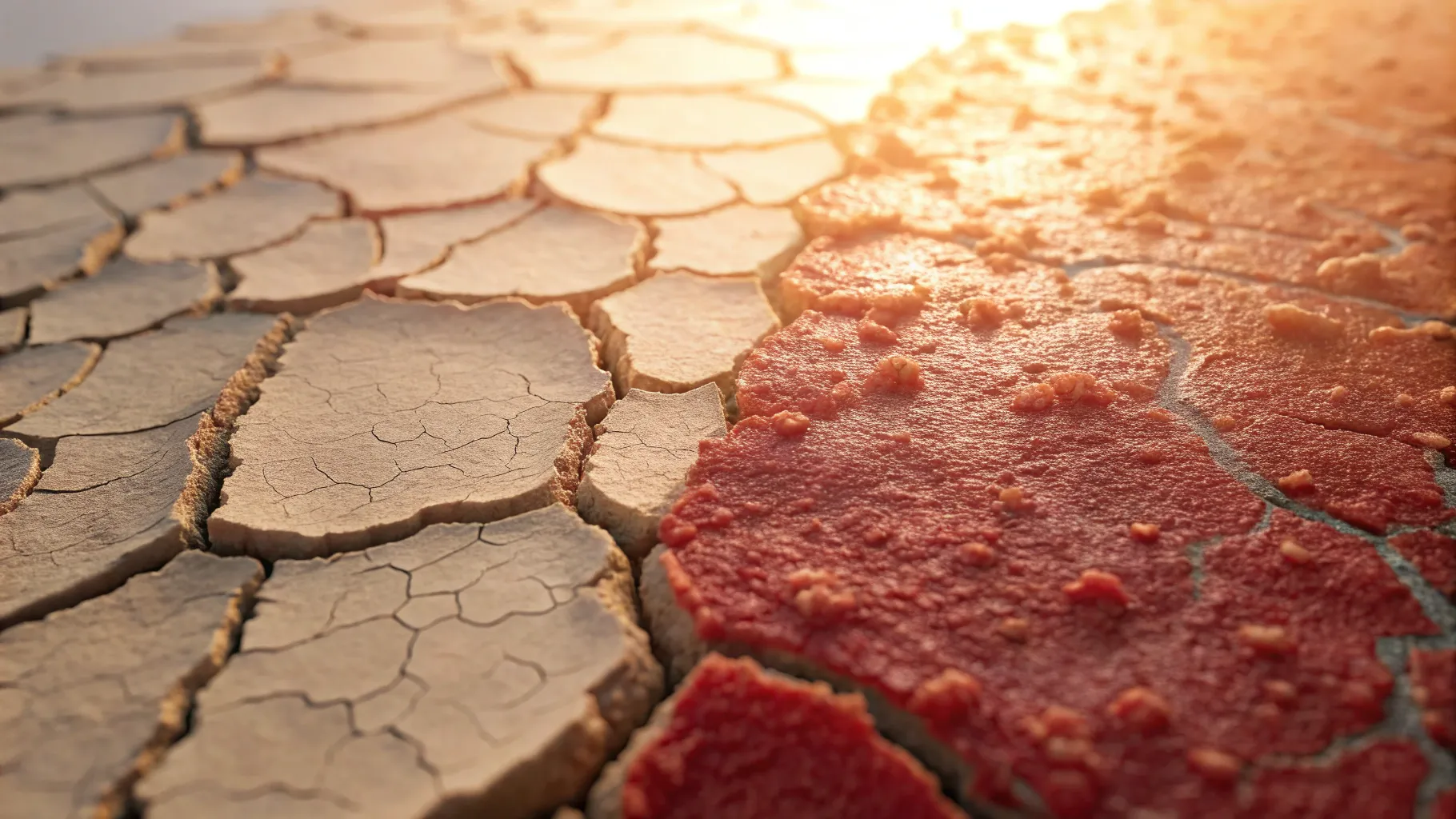
Exploring the Characteristics of Dry Skin and Psoriasis in 2025
Skin health is a vital component of overall well-being, with many individuals encountering various dermatological conditions throughout their lives. Dry skin and psoriasis are two prevalent conditions that may appear similar externally, often causing confusion in their identification. However, these conditions differ significantly in their underlying causes, clinical manifestations, and management approaches. This article aims to provide a detailed examination of the key distinctions between dry skin and psoriasis, focusing on their symptoms, etiologies, and the current treatment options available as of 2025.
Differentiating Dry Skin from Psoriasis
Recognizing the differences between dry skin and psoriasis is vital for ensuring accurate treatment. Below, we discuss the defining characteristics of each condition, providing insights that are particularly relevant in 2025.
Characteristics of Dry Skin
- Appearance: Typically, dry skin appears dull, rough, and flaky, often devoid of visible signs of inflammation.
- Common Causes: Dry skin can stem from various factors such as cold weather, low humidity, excessive bathing, and the use of harsh cleansing products.
- Affected Areas: This condition usually affects areas like the hands, feet, arms, and legs, where skin is thinner and prone to moisture loss.
- Symptoms: Individuals with dry skin commonly experience itching, a sensation of tightness, and in severe cases, cracking of the skin which can lead to discomfort.
Characteristics of Psoriasis
- Appearance: Psoriasis presents as reddish patches covered with thick, silvery scales, raising the surface of the skin.
- Underlying Causes: Unlike dry skin, psoriasis is an autoimmune disorder often triggered by stress, infections, or injuries to the skin.
- Common Areas Affected: While psoriasis can appear anywhere on the body, it predominantly affects the elbows, knees, and scalp.
- Symptoms: In addition to its distinctive appearance, it can cause discomfort characterized by burning or stinging sensations.
Natural Indicators of Psoriasis
Distinguishing between psoriasis and dry skin can be challenging, especially in the early stages of development. Many individuals may misinterpret psoriasis as severe dry skin. Here are some natural signs to help you identify psoriasis:
- Persistent Symptoms: If you're noticing red, inflamed patches that do not improve with standard moisturizers, consider that you might be dealing with psoriasis.
- Family History: A strong family history of psoriasis can significantly increase your likelihood of developing the condition yourself.
- Thickened Skin and Scales: Look for thick, silvery scales typical of psoriasis, which vary greatly from the flakiness of dry skin.
- Nail Changes: Any abnormalities in your nails, such as pitting or ridging, may indicate psoriasis, which does not affect nail health in the case of dry skin issues.
Common Treatments and Causes of Dry Flaky Skin
For individuals dealing with dry skin, there are several effective methods to alleviate discomfort and restore skin health. Here is a collection of practical tips that can greatly contribute to soothing dry, flaky skin in 2025:
- Regular Moisturizing: Using a rich and hydrating moisturizer immediately after bathing can help trap moisture. Seek products containing glycerin, hyaluronic acid, and ceramides for best results.
- Shower Strategy: Limit showers to 10 minutes and use lukewarm water instead of hot water to help preserve your skin's natural oils.
- Gentle Cleansers: Choose mild, fragrance-free cleansers designed for dry or sensitive skin to significantly enhance hydration levels.
- Hydration: Drinking plenty of water every day is crucial for maintaining your skin's moisture from the inside out.
- Humidifiers: Utilizing a humidifier in your living space can help retain moisture in the air, reducing the chances of further skin drying.
Scientific Findings and Developments in Skin Health
A recent study released in late 2024 shows a significant rise in skin conditions, particularly dryness and psoriasis, especially among urban populations. This increase can be traced back to environmental factors such as air pollution, lifestyle shifts, and dietary habits. Remarkably, people living in heavily polluted urban areas are now reported to experience skin issues at a rate 35% higher than in rural settings with cleaner air. This finding emphasizes the urgent need for individuals to consider their environments when managing conditions like dry skin and psoriasis.
The Importance of Seeking Professional Help
Although home remedies and over-the-counter solutions can offer temporary relief, consulting a dermatologist is critical, particularly if you suspect psoriasis. A qualified dermatologist can conduct a thorough examination and provide tailored treatment options ranging from topical applications to phototherapy or systemic treatments for more severe psoriasis cases. According to a recent survey, 60% of patients reported considerable improvements in their psoriasis symptoms after sticking to a treatment plan recommended by their dermatologist. Considering professional help can be a pivotal step toward achieving healthier skin.
In sum, grasping the distinctions between dry skin and psoriasis empowers individuals to adopt efficient management strategies for both conditions. By familiarizing yourself with the unique symptoms and treatment options available, you can take proactive steps towards a healthier complexion. Should any uncertainties arise regarding your skin's health, remember that it’s wise to seek expert opinion. As discussions around health evolve, our understanding of skin conditions will also grow. By remaining informed and vigilant, we can all strive for beautiful, healthy skin throughout 2025 and beyond.