Understanding Dry Skin and Eczema Symptoms
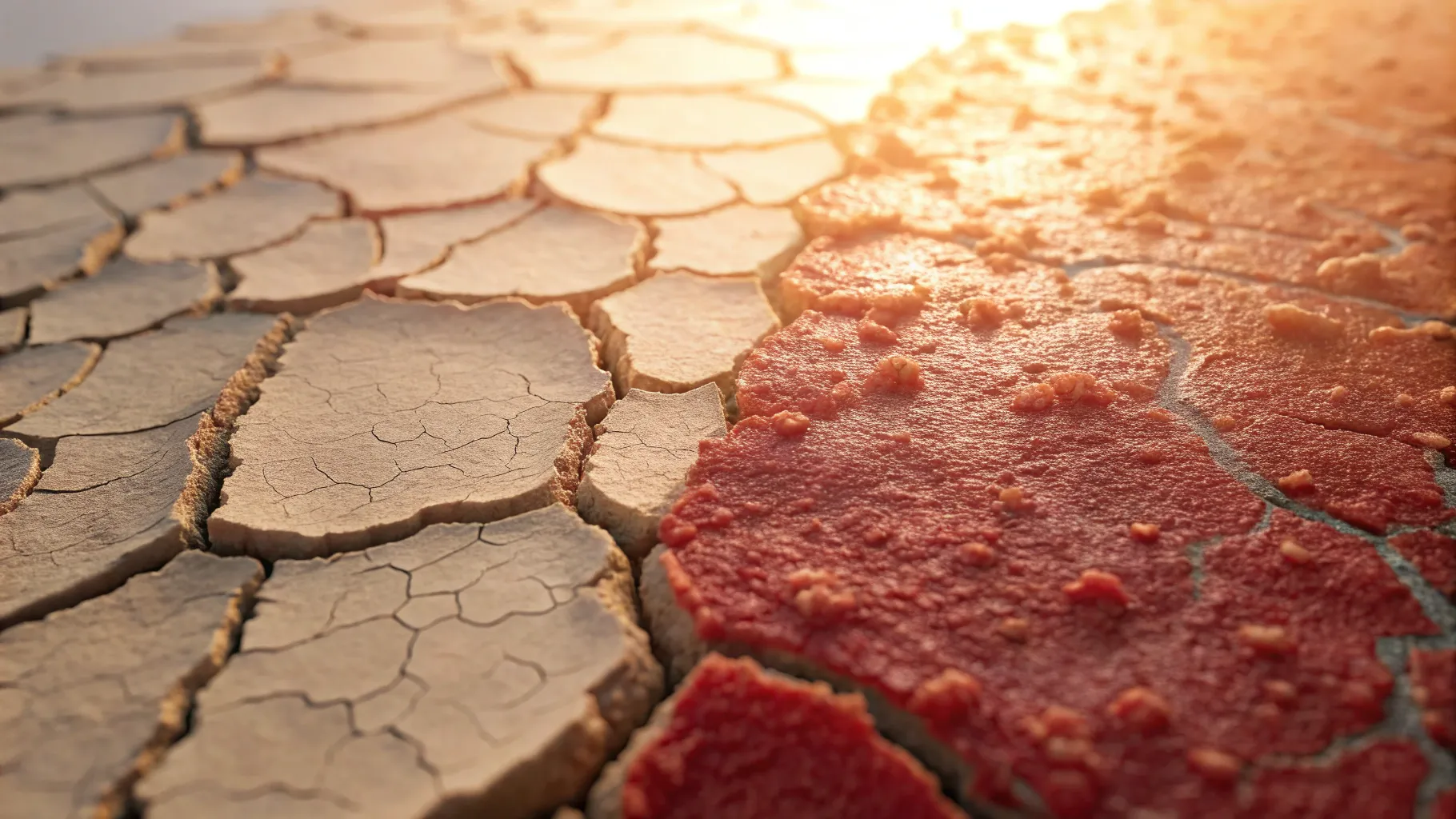
A Guide to Dry Skin and Eczema Differences
Dry skin and eczema are common skin conditions that many people continue to experience in 2025. Despite growing awareness about skin health, misconceptions about these conditions remain. Understanding their differences and similarities helps individuals recognize symptoms more accurately and make informed choices about appropriate care and daily skincare practices.
What is Dry Skin?
Often referred to as xerosis, dry skin manifests when the skin lacks adequate moisture within its outer layer. A multitude of factors can contribute to this condition—including drastic weather shifts, frequent bathing, exposure to abrasive chemicals, or underlying health issues. Symptoms commonly associated with dry skin include:
- Flaking or peeling skin
- Itching or a tight feeling
- Rough texture
- Cracking in severe instances
It’s worth noting that while dry skin can affect individuals of all ages, it is particularly pronounced among older adults, where hormonal and environmental changes drastically affect skin moisture. Recent surveys highlight that approximately 30% of adults experience dry skin at some point in their lives.
What is Eczema?
In contrast, eczema, clinically known as atopic dermatitis, represents a chronic inflammatory skin disorder that leads to red, itchy patches. Although dry skin can often accompany eczema, this condition is chiefly characterized by an immune response that triggers inflammation and irritation. Current epidemiological studies indicate that about 10% to 20% of children and 1% to 3% of adults suffer from eczema. Eczema symptoms typically present through:
- Intense itching
- Red, inflamed patches of skin
- Thickened, scaly skin
- Potential oozing or crusting lesions
Understanding these symptoms can help differentiate eczema from simple dry skin, which may appear deceptively similar.
Key Differences Between Dry Skin and Eczema
The core difference between dry skin and eczema lies in their respective underlying causes. While dry skin frequently results from environmental factors and is typically transient, eczema is rooted in a more intricate interplay of genetic, environmental, and immunological elements. Some essential distinctions include:
- Causes: Dry skin commonly arises from climate fluctuations, overly dry indoor environments, aggressive soaps, or unhealthy bathing habits. In contrast, eczema may be triggered by allergens—such as pollen, pet dander, food, and even stress.
- Appearance: The appearance of dry skin is typically rough, sometimes flaky; eczema, however, often showcases distinctive redness and swelling, potentially developing blisters or crusty areas. It is also characterized by the secretion of clear fluid when scratched, which is unusual for standard dry skin.
- Duration: Dry skin often relieves itself with appropriate home treatments like regular moisturizing. Eczema, conversely, is often chronic and requires more comprehensive medical management, with flare-ups occurring periodically, influencing lifestyle choices and mental health.
The ability to distinguish between these two skin issues becomes increasingly vital as one navigates their skin's health journey.
How to Identify Eczema Naturally
Figuring out whether you're dealing with eczema or merely dry skin can often be done through careful observation of your symptoms. Here are some natural indicators to help pinpoint the presence of eczema:
- Assess your family history; a strong genetic link often exists with allergies and eczema. If immediate family members have a history, you might be prone as well.
- Consider the symptom locations: Eczema is known to preferentially affect specific regions, like the inner elbows or the back of the knees in adults, while dry skin may manifest in various areas without preference.
- Intense itching that disrupts your daily activities or sleep is a common hallmark of eczema that often sets it apart from just dry skin.
For a more straightforward diagnosis, keeping a detailed symptom diary can aid in identifying triggers and patterns over time. This can empower you to better manage and mitigate symptoms, especially if you suspect eczema.
Ways to Soothe Dry Itchy Skin
For those dealing with dry skin, countless strategies exist to diminish discomfort and restore hydration. Here are several effective methods that individuals in 2025 should adopt:
- Moisturize Regularly: Utilizing a rich, emollient cream or ointment promptly after bathing helps lock in essential moisture. Seek products enriched with hydrating ingredients like hyaluronic acid, shea butter, or glycerin, ensuring deep nourishment.
- Shorten Shower Time: Hot water can severely strip the skin of its natural oils, so it’s best to limit shower duration. Opt for lukewarm water and gentle, hydrating cleansers.
- Invest in Humidifiers: Indoor heating systems can drastically reduce humidity levels. Employing a humidifier, especially during winter months, can combat dry air and help maintain skin hydration.
- Opt for Soft Fabrics: Wearing breathable, natural fibers such as cotton or bamboo can minimize irritation against dry skin, providing comfort while reducing the risk of flare-ups.
- Avoid Common Triggers: Identifying and staying clear of irritants or allergens that may aggravate your dry skin is crucial. This can involve avoiding harsh detergents, overpowering perfumes, or abrasive skincare products.
Implementing these simple yet effective practices can significantly enhance the management of dry skin symptoms. Remember, if you suspect a more complex issue like eczema, seeking professional guidance for appropriate diagnosis and treatment is always prudent.
Whether you are navigating the waters of dry skin or suspecting eczema, higher awareness, educated decisions, and appropriate therapies can lead to healthier, more vibrant skin.