Discover How Dental Clips Work for Missing Teeth Replacement
Fast Facts:
- Benefit: Dental clips offer discreet solutions for tooth replacement.
- Demand for non-invasive **dental clips** is rising for seniors.
Understanding Dental Clips for Comprehensive Tooth Replacement
Losing a tooth can affect your confidence, speech, and ability to eat. Advances in dental prosthetics have introduced various solutions, including dental clips, which are becoming increasingly popular. These devices securely hold partial dentures or retainers, offering a stable and often less invasive way to replace missing teeth. Understanding what dental clips are for teeth means recognizing their role in improving comfort and stability, making them a preferred choice for many seeking to restore their smile and oral function.
Exploring Types of Dental Clips and Their Applications
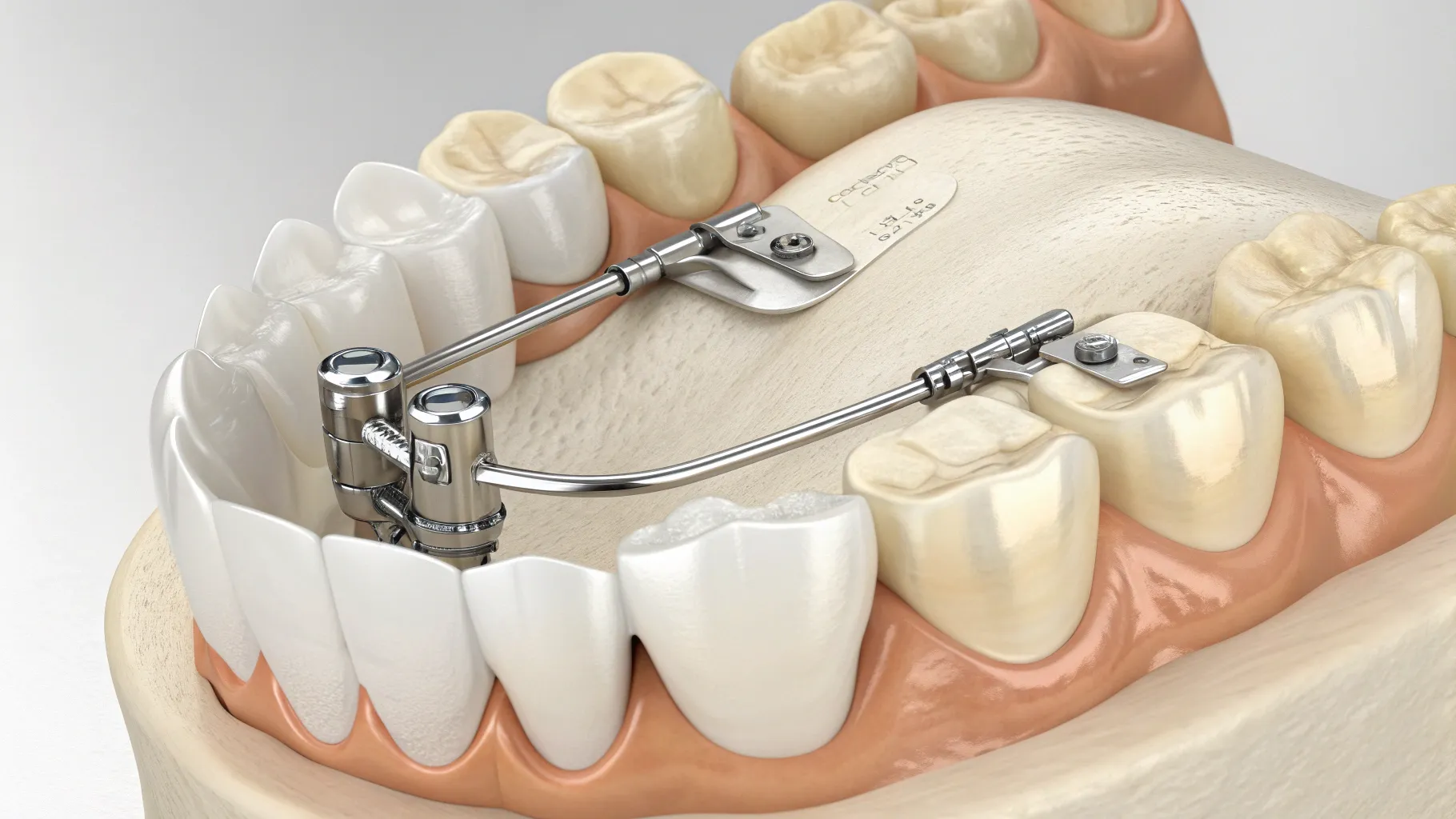
The world of **dental clips** encompasses several designs, each tailored to specific needs and dental structures. From fixed attachments to removable options, these clips play a pivotal role in securing prosthetic teeth. For example, some clips are integrated directly into partial dentures, commonly referred to as **partial denture clips**, which grasp onto existing natural teeth to hold the prosthetic firmly in place. Other variations might be used as part of a temporary solution, such as **temporary tooth clips**, offering a short-term fix while a more permanent restoration is being prepared. The choice of clip often depends on the number of missing teeth, the health of surrounding teeth, and the patient's overall oral health goals.
The Role of Partial Denture Clips in Stability
**Partial denture clips** are integral to the design of many removable partial dentures. These small, often metallic or tooth-colored clasps wrap around natural teeth, providing the necessary retention to keep the denture stable during chewing and speaking. They are meticulously designed to minimize stress on the anchor teeth while maximizing comfort and functionality for the wearer. For individuals with several missing teeth, these clips are essential for preventing movement and ensuring the longevity of the dental appliance.
Dental Clips vs. Dentures: Making an Informed Choice
When considering solutions for missing teeth, many patients often weigh the benefits of **dental clips vs dentures**. While full dentures replace all teeth in an arch, partial dentures, often utilizing **dental clips**, replace only a few missing teeth. Dental clips offer the advantage of being less cumbersome than full dentures, often feeling more natural and causing less irritation. They typically allow for better taste sensation and a more secure fit, reducing the chances of slippage. However, the best choice depends on individual circumstances, including the extent of tooth loss, budget, and personal preference. Consulting with a dental professional is crucial to determine whether dental clips or a full denture system is the most appropriate treatment plan for your specific needs.
Practical Advice for Living with Dental Clips
Proper care and maintenance are vital for anyone using **dental clips**, especially for **dental clips for seniors** who might have specific oral health considerations. Adhering to a strict oral hygiene routine will ensure the longevity of your clips and the health of your remaining natural teeth.
- Regular Cleaning: Clean your dental clips daily with a soft brush and non-abrasive denture cleaner to prevent plaque buildup and staining.
- Handle with Care: Always remove and insert your clips carefully to avoid bending or damaging the delicate components.
- Nightly Soaking: If your clips are part of a removable appliance, soak them in a recommended cleaning solution overnight to keep them fresh and hygienic.
- Dental Check-ups: Schedule regular dental appointments to have your clips inspected and adjusted as needed, ensuring a continued comfortable and secure fit.
- Dietary Considerations: Avoid excessively sticky or hard foods that could dislodge or damage your clips and the underlying teeth.
Frequently Asked Questions
What are dental clips for teeth used for?
Dental clips are primarily used to secure partial dentures or other removable dental prosthetics, helping to replace **missing teeth** and improve oral function and aesthetics.
Are temporary tooth clips a long-term solution?
**Temporary tooth clips** are designed for short-term use, typically while a permanent dental restoration is being fabricated. They are not intended as a permanent solution.
What is the difference between dental clips and traditional dentures?
The main difference in **dental clips vs dentures** is that clips are usually part of a partial denture, designed to replace a few missing teeth and anchor to existing natural teeth. Traditional full dentures replace all teeth in an arch and rely on suction or adhesives.
Are dental clips suitable for seniors?
Yes, **dental clips for seniors** are a common and effective solution. They can offer a more stable and comfortable alternative to full dentures, especially for seniors who still have some healthy natural teeth.