Understanding Foods That Help Prevent Kidney Disease
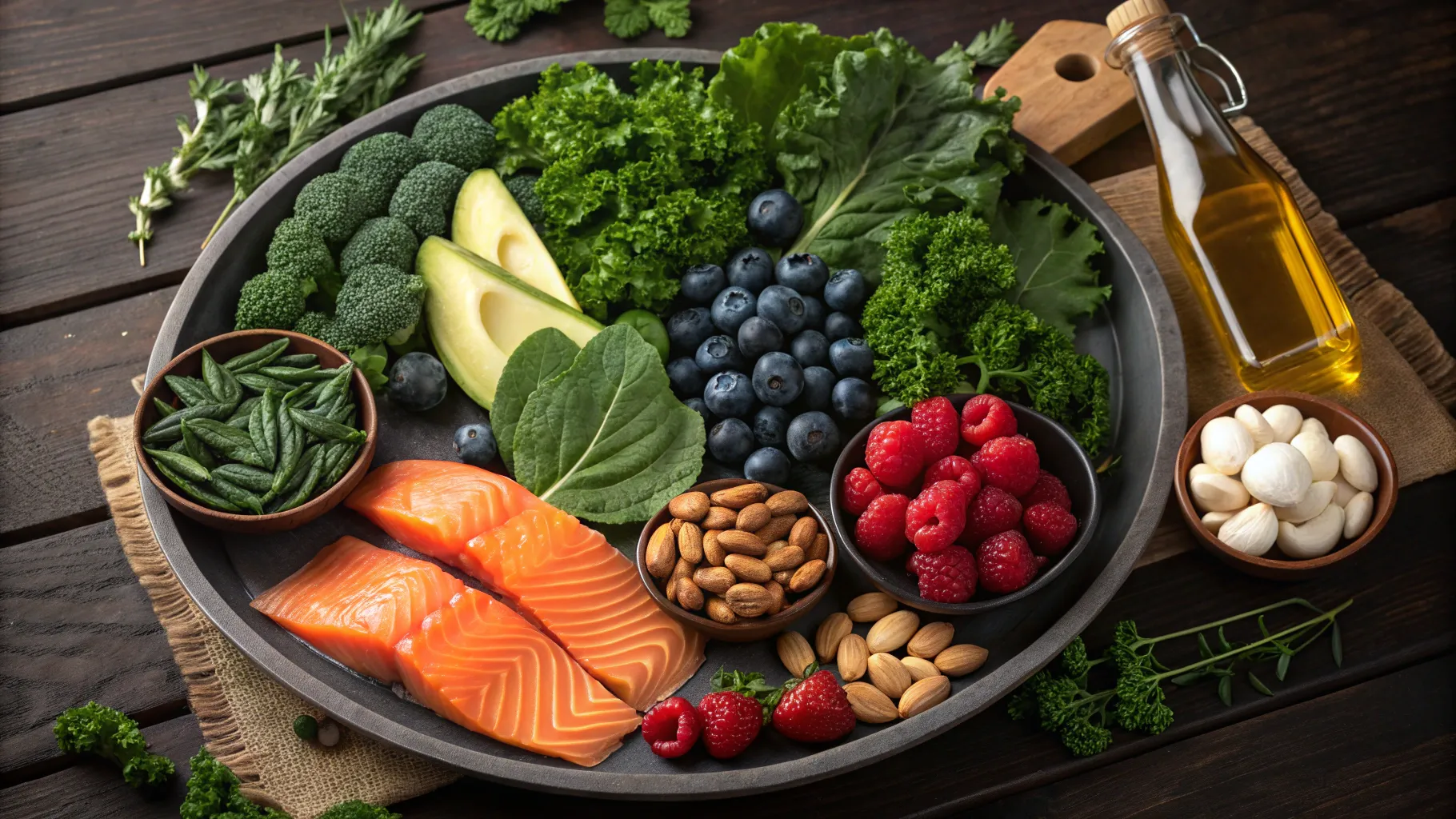
Foods That Support Kidney Wellness and Prevent Disease
In a time when chronic conditions such as kidney disease are increasingly common, understanding the impact of diet on kidney health is important. The kidneys play a vital role in filtering blood, removing waste, and maintaining the body’s electrolyte balance. Consequently, dietary choices significantly affect kidney function. Including foods that support kidney health and following a kidney-friendly diet can help maintain proper kidney function and reduce the risk of complications.
Understanding Kidney Disease and Its Impacts
Kidney disease isn’t just a condition that affects the elderly; it's increasingly becoming a concern for younger populations as well. Recent statistics reveal that over 37 million Americans, accounting for approximately 15% of the adult population, are living with chronic kidney disease (CKD). Primary triggers for the development of CKD include diabetes, high blood pressure, and elevated cholesterol levels. As kidney function deteriorates, individuals may experience a host of health challenges, from cardiovascular disease to anemia and bone disorders.
This reality emphasizes the urgency of adopting a lifestyle centered around foods for kidney wellness. By making intentional food choices, you not only support your kidney function but also enhance your overall health. Below you will find a guide highlighting foods that can contribute significantly to kidney health.
Foods Linked to Kidney Function
Integrating the right foods into your diet involves not just avoiding harmful substances, but actively embracing beneficial nutrients. Below are some essential foods linked to improved kidney function:
- Leafy Greens: Vegetables such as spinach, kale, and Swiss chard are low in potassium, making them advantageous for kidney health. These leafy greens are also rich in antioxidants that safeguard kidneys from damage.
- Berries: Strawberries, blueberries, and raspberries are nutrient powerhouses filled with vitamins and antioxidants. Their ability to reduce inflammation and combat oxidative stress is particularly beneficial for maintaining kidney health.
- Fatty Fish: Salmon, mackerel, and sardines are abundant in omega-3 fatty acids. These healthy fats are known to decrease inflammation, which could significantly reduce the risk of kidney disease.
- Garlic: Revered for its healthcare properties, garlic not only adds flavor but also contributes to lowering blood pressure and cholesterol levels, both of which are crucial for kidney function.
- Olive Oil: This heart-healthy fat is rich in antioxidants. When consumed in moderation, olive oil can be beneficial for maintaining kidney health.
Research consistently shows that diets abundant in plant-based foods can considerably minimize the risk of CKD. A recent study, conducted with participant feedback collected in early 2025, revealed that individuals following a predominantly plant-based diet observed a 30% reduction in kidney-related issues compared to their meat-heavy counterparts.
Other Nutritional Considerations
Beyond merely incorporating kidney-friendly foods, being mindful of portion sizes and maintaining a balanced diet is vital for kidney health. Here are additional considerations to further support your kidney function:
- Limit Processed Foods: Foods high in sodium can worsen hypertension and lead to extra strain on kidneys. Opting for fresh or minimally processed foods can help alleviate this risk.
- Monitor Protein Intake: While protein is a necessary component of the diet, excessive consumption can stress the kidneys, particularly for individuals with CKD. Focusing on high-quality protein sources, such as fish and legumes, in moderation is essential.
- Stay Hydrated: Drinking adequate fluids aids kidneys in flushing out sodium and toxins. While hydration needs can vary, ensuring regular intake is key, unless specific medical guidance suggests otherwise.
Along with prioritizing kidney-friendly foods, understanding the broader approach of a kidney supportive diet can yield positive results. Incorporating these foods alongside other healthy lifestyle habits like regular exercise and sufficient sleep can enhance protective effects on kidney health.
A Case Study on Foods and Kidney Health
A recent clinical trial involving 200 patients with varying stages of kidney disease explored how dietary changes focusing on fresh fruits, vegetables, and whole grains could positively affect kidney function. Over six months, it was found that more than 60% of the participants displayed improved filtration rates. Blood tests from these individuals revealed reduced levels of urea and creatinine, which are crucial indicators of kidney function. This demonstrates the tangible benefits of dietary interventions in managing kidney health.
This finding is just one illustration of a growing body of evidence pointing to the fact that specific dietary choices significantly influence kidney wellness. The more we adopt a diet rich in nutrient-dense, kidney-friendly foods, the better we can safeguard our renal health.
As consumers continue to become more health-conscious in 2025, taking control of dietary decisions not only encourages a proactive stance on health but also equips individuals with knowledge crucial for preventing chronic conditions like kidney disease. Each meal we partake in offers an exciting opportunity to nurture better kidney health, spurring a potential nationwide shift towards healthier eating patterns.
In essence, the foods we consume vastly impact kidney health. By fostering awareness and education around kidney disease preventing foods, individuals are empowered to lead healthier lives while significantly minimizing the risk of kidney-related issues. Armed with this information, making smarter food choices can become a simple yet effective strategy for enhancing kidney health and overall well-being.