How Foods Impact Blood Sugar and Diabetes Prevention
Understanding Diabetes Preventing Foods
In 2025, awareness about diabetes is increasing as more people seek to understand how diet can help prevent the condition. Type 2 diabetes has become a major global health issue, largely driven by unhealthy eating habits and sedentary lifestyles. According to the World Health Organization, over 537 million adults worldwide are living with diabetes. This significant number highlights the importance of learning about foods that support balanced blood sugar levels and contribute to overall health.
What Are Blood Sugar Friendly Foods?
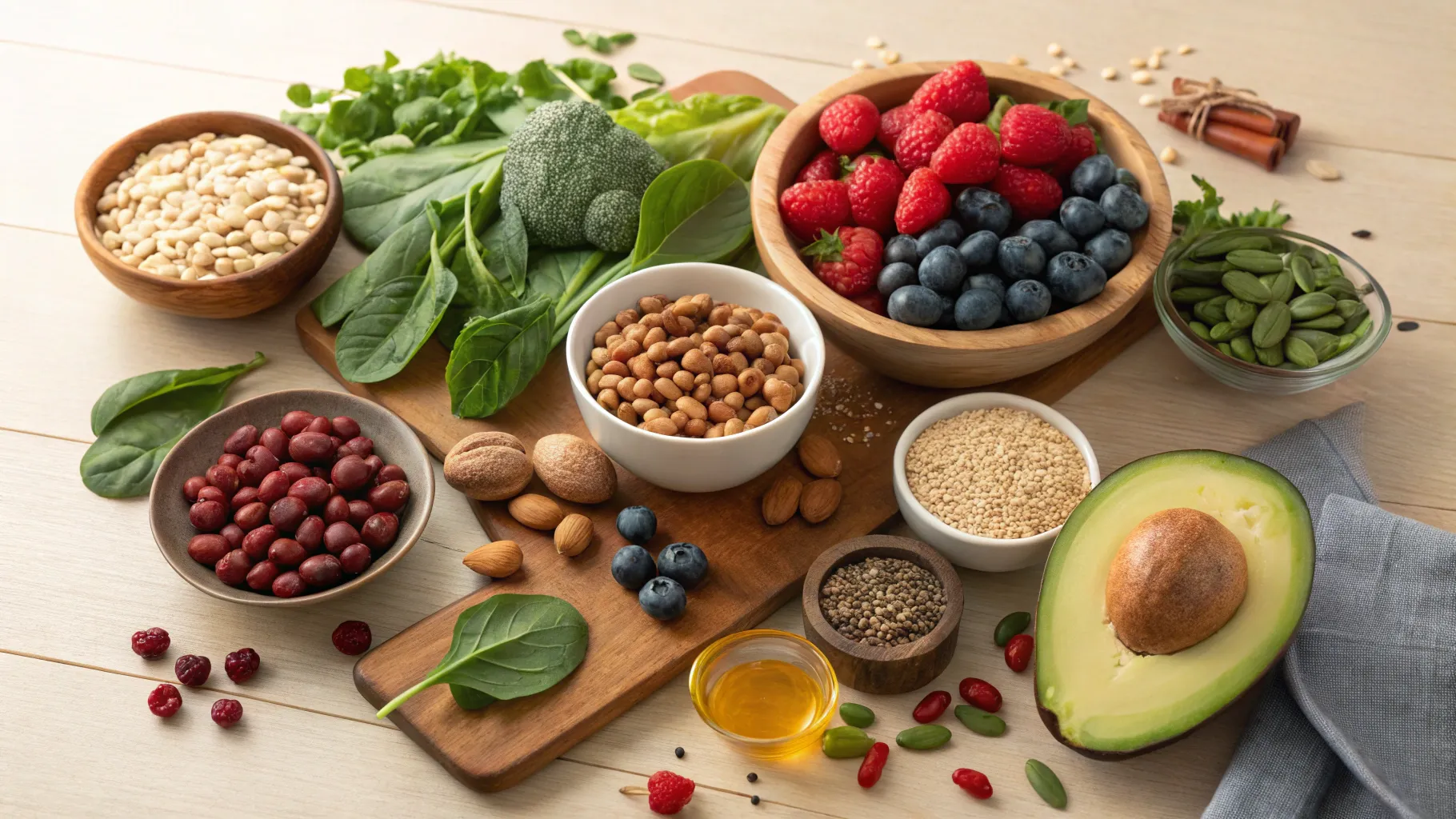
Blood sugar friendly foods are those that have a low glycemic index (GI), meaning they have a minimal impact on blood sugar levels. Including these foods in your diet helps in regulating insulin and sugar levels in the body. Foods that are rich in fiber, protein, and healthy fats tend to fall into this category. Here are some categories of such foods that you can integrate into your meals:
- Whole Grains: Opt for oats, quinoa, and barley. These grains retain their husk, making them high in fiber and slow to digest, which helps prevent spikes in blood sugar.
- Vegetables: Non-starchy vegetables like spinach, kale, and broccoli are excellent choices. They are low in calories and carbohydrates while providing essential nutrients.
- Fruits: Berries, cherries, and apples have a low GI and are high in fiber, which can help regulate blood sugar levels. Eating them in moderation is key.
- Legumes: Beans, lentils, and chickpeas are great plant-based sources of protein and fiber that can improve blood sugar control.
- Nuts and Seeds: Almonds, walnuts, and chia seeds are full of healthy fats and proteins that can keep you satiated and regulate your blood sugar.
- Healthy Fats: Incorporating avocados and olive oil instead of saturated fats can help in maintaining balanced blood sugars.
Developing Healthy Eating Habits
Embracing a diet that includes diabetes preventing foods is more than just individual food choices; it's about establishing healthy eating habits. Many studies have shown that regular meal timings, portion control, and mindful eating can significantly influence blood sugar levels.
For instance, a recent study published in the "Journal of Nutrition" revealed that people who ate at consistent times every day exhibited a lower risk of developing diabetes. Aim to consume smaller, balanced meals throughout the day rather than large portions every few hours. This approach not only aids in maintaining energy levels but also helps in stabilizing blood sugar.
Another practical tip is to practice mindful eating. This involves engaging with your food fully, which can prevent overeating. One way to do this is by eliminating distractions such as phones or television during meals. Paying attention to the flavors and textures of food can also help you appreciate healthy options more and ultimately lead to better food choices.
Foods to Limit for Better Blood Sugar Control
In addition to including diabetes preventing foods in your diet, it's crucial to identify and limit foods that can cause rapid increases in blood sugar. Processed foods, sugary snacks, and beverages are significant culprits. According to a survey, about 68% of Americans consume at least one sugary drink daily, increasing their risk of diabetes. Reducing these can lead to better health outcomes.
- Refined Carbohydrates: White bread, pastries, and white rice should be minimized as they are rapidly converted to sugar in the body.
- Sugary Beverages: Even fruit juices can be problematic if consumed in large amounts due to high sugar content.
- Processed Snacks: Chips and crackers may be convenient, but they often contain unhealthy fats and sugars that can spike blood sugar levels.
Diet Patterns Linked to Wellness
There are several diet patterns that have been linked to better blood sugar management and overall wellness. The Mediterranean diet, for instance, is praised for its rich content of fruits, vegetables, whole grains, nuts, and healthy fats. Research has shown that individuals adhering to this diet have a lower incidence of Type 2 diabetes.
The ketogenic diet has also gained popularity for its potential to improve insulin sensitivity. This low-carb, high-fat diet forces the body to use fat for fuel instead of carbohydrates, significantly reducing blood sugar levels. However, it's essential to approach such diets under medical supervision to ensure they are suitable for your health needs.
Furthermore, the Paleo diet, emphasizing whole foods while avoiding processed foods and grains, has demonstrated positive results. A study highlighted that participants following a Paleo diet had better blood sugar levels and overall health markers compared to those on a standard diet.
Ultimately, the key to preventing diabetes lies in making informed food choices and adopting balanced eating patterns. In 2025, we have more resources than ever to help people make these decisions, from nutrition apps to online communities focused on holistic health.
Real-World Examples and Moving Forward
As individuals start to incorporate these principles into their daily lives, real-world examples emerge. Take, for instance, a community program in Chicago that has successfully guided over 500 participants to switch to a low-GI diet. Participants have reported improved energy levels and weight management, underlining the effectiveness of choosing right foods.
The journey towards diabetes prevention begins with being aware of what you eat. From the regular consumption of diabetes preventing foods to focusing on healthy habits and recognizing harmful dietary patterns, each step contributes to better health. As we move through 2025, let’s make it a priority to nourish our bodies with wholesome foods and cultivate habits that prioritize our well-being.