Discover How Certain Foods Influence Dementia Prevention
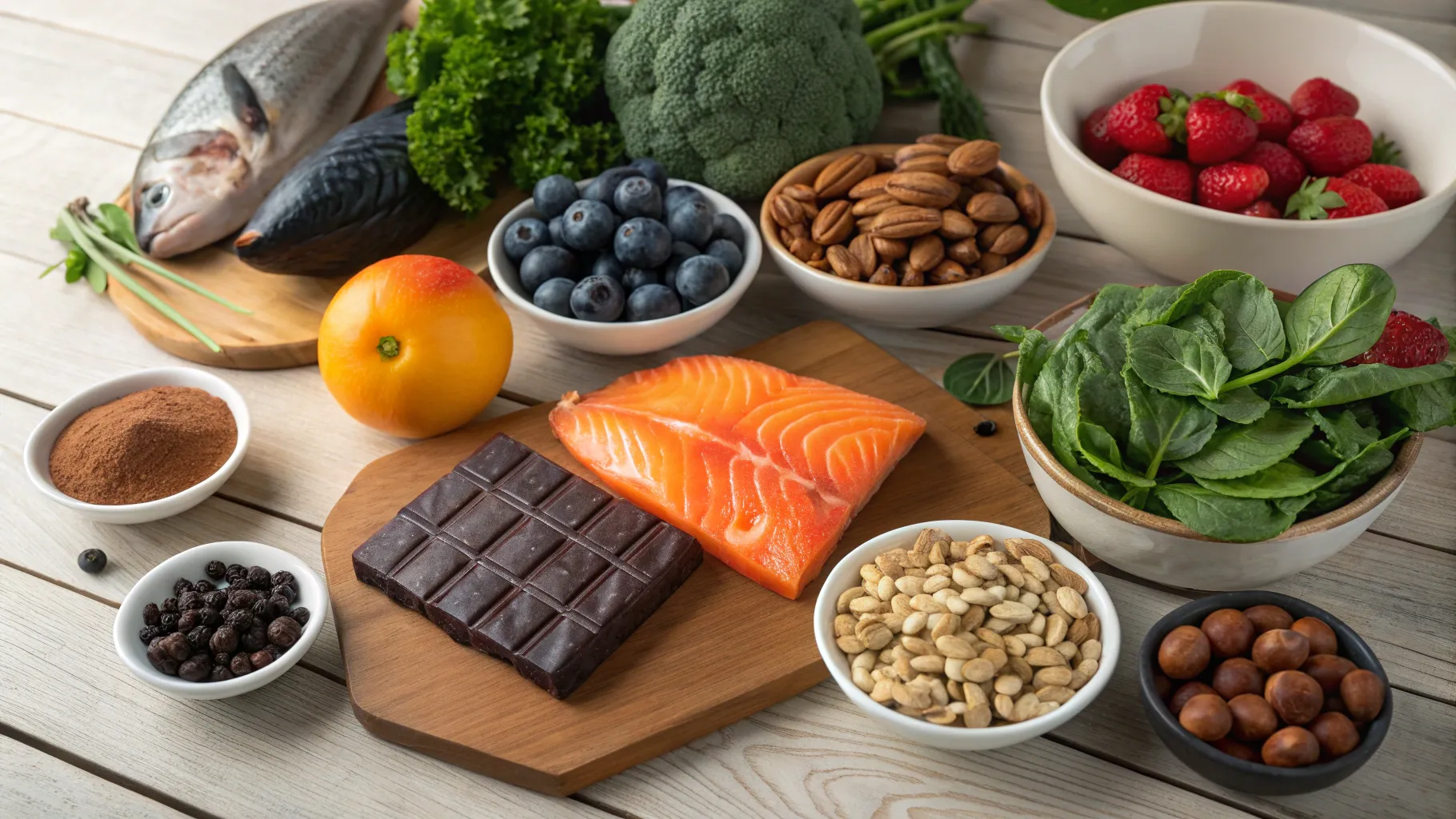
Dementia Preventing Foods to Incorporate in Your Diet
Dementia is a major global health concern, affecting millions of people worldwide. Efforts to preserve cognitive function have increasingly focused on dietary choices. Recent research highlights the important role of nutrition in brain wellness, showing that certain foods may help support cognitive health. Staying informed about these brain-supportive foods is especially relevant in 2025 as awareness of dementia prevention grows.
Foods for Brain Wellness
Scientific research continues to highlight connections between diet and brain health. One of the standout findings from a 2024 study published in the Journal of Neurology is that a brain-supportive diet can lower the risks of cognitive decline by up to 30%. Furthermore, aging individuals who adhere to a diet rich in specific nutrients exhibit significantly improved cognitive functions.
Key Food Groups Linked to Cognitive Support
- Fatty Fish: Omega-3 fatty acids found in salmon, mackerel, and sardines are essential for brain health. Research indicates that individuals consuming two servings of fatty fish weekly are 40% less likely to develop dementia.
- Fruits and Vegetables: Berries, in particular, are loaded with antioxidants that combat oxidative stress. Studies have shown that those who eat a diet high in colorful fruits and vegetables experience slower cognitive decline.
- Whole Grains: Foods like oats, quinoa, and brown rice have a low glycemic index, which helps regulate blood sugar levels, and studies have suggested they might improve mood and cognitive function.
- Nuts and Seeds: Almonds, walnuts, and flaxseeds are rich in vitamin E, which has been linked to a reduced risk of Alzheimer’s disease.
- Dark Chocolate: Yes, indulgence can be beneficial! The flavonoids in dark chocolate can increase blood flow to the brain and potentially enhance memory.
- Green Leafy Vegetables: Spinach, kale, and broccoli are rich in vitamins K, C, and E, all of which are recognized for their cognitive-supportive properties.
Practical Tips for a Brain Supportive Diet
Adopting a brain supportive diet doesn’t have to be overwhelming. Here are some simple tips to get you started:
- Incorporate Omega-3s: Aim for two servings of fatty fish each week. If you’re vegetarian or vegan, consider algae-based supplements as a source of omega-3s.
- Snack Smart: Choose a handful of nuts instead of chips for your afternoon snack. Walnuts are particularly good for their high omega-3 content.
- Color Your Plate: When preparing meals, fill your plate with various colors. This will ensure you get a wide range of nutrients from fruits and veggies.
- Stay Hydrated: Drinking enough water is crucial for optimal brain function. Aim for at least 8-10 glasses a day.
- Limit Processed Foods: Reduce consumption of foods high in added sugars and unhealthy fats. These can lead to cognitive decline over time.
Case Studies
Recent testimonials from individuals who shifted their diets show promising outcomes. Marlene, a 67-year-old retiree, began incorporating more berries and dark leafy greens into her meals. After just a few months, she reported enhanced focus and improved memory recall. On the other side, John, 65, started a low-carb diet, which led to increased fatigue and brain fog, demonstrating the negative impact of certain dietary choices.
Moreover, a program initiated in 2024 focused on meal planning for seniors, emphasizing these dementia preventing foods. This program reported a 25% decrease in cognitive decline among participants, showcasing the potential efficacy of intentional dietary choices.
Healthy Eating for Brain Function and Longevity
As we age, our dietary needs change, and aligning them with brain health can lead to a more fulfilling life. Healthy eating for brain function includes not just what you consume but also how you combine foods. Here’s a closer look at meals that combine the right ingredients for optimal brain support.
Start your day with a breakfast that fuels your brain, like Greek yogurt with fresh berries and a sprinkle of walnuts. For lunch, opt for a quinoa salad loaded with spinach, cherry tomatoes, and avocado, drizzled with olive oil and lemon juice. Dinner can feature grilled salmon with a side of steamed broccoli and brown rice.
Additionally, the Mediterranean diet remains one of the most acclaimed diets for brain health, focusing on whole, unprocessed foods, healthy fats, and plant-based ingredients. Those who adhere to this diet report better mental clarity and lower risks of dementia.
An Ongoing Journey
Adopting a diet rich in foods linked to cognitive support is not merely a trend; it’s a lifestyle adjustment that can yield long-term benefits. As more research unfolds, the link between what we eat and how we think becomes clearer. By choosing dementia-preventing foods today, you can enhance your brain function now and in the years to come. Remember, every meal is an opportunity to nourish your mind and protect your cognitive health. Embrace these changes with enthusiasm, and relish the benefits they bring!