Discover How Cancer-Preventing Foods Support Wellness
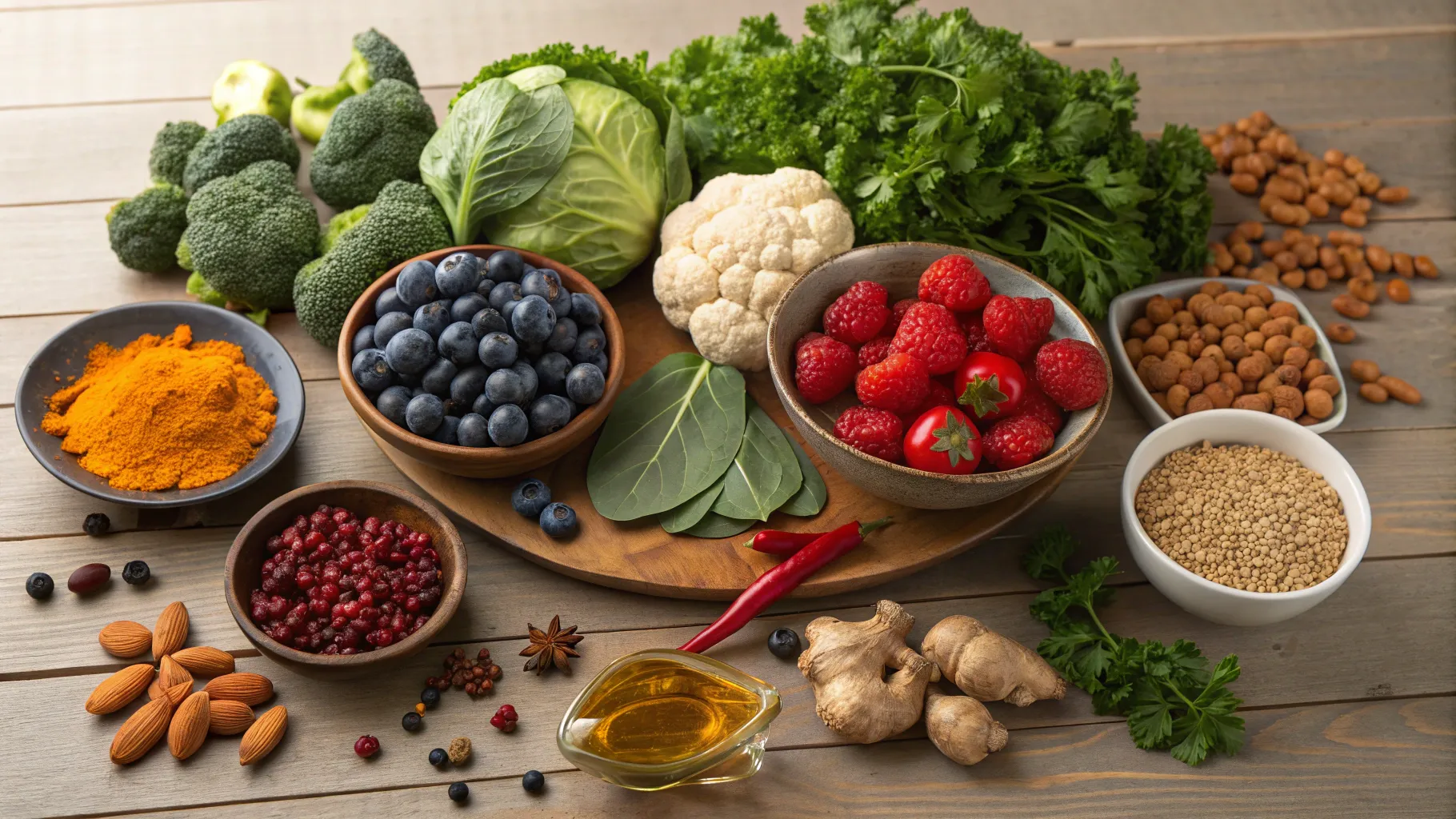
Understanding Cancer-Preventing Foods and Their Role in Wellness
Consuming a nutritious diet is a fundamental approach to improving overall wellness and plays an important role in cancer prevention. In 2025, scientific research provides increasingly strong evidence linking dietary choices to cancer risk reduction. Studies continue to identify specific foods that may help inhibit the development of cancerous cells and support the immune system’s function. Emphasizing plant-based nutrients, antioxidants, and balanced eating patterns can contribute to maintaining health and potentially lowering cancer risk.
How Certain Foods Are Connected to Cancer Prevention
Several food categories stand out when it comes to cancer prevention. Each boasts unique components that not only nourish the body but also actively fight against cancer cells. Here are some impactful choices to make:
- Cruciferous Vegetables: Vegetables such as broccoli, kale, cauliflower, and Brussels sprouts are packed with sulforaphane, a compound that is known to block the growth of cancer cells. A study conducted in early 2025 found that individuals consuming these vegetables regularly reported a lower incidence of colorectal and lung cancer.
- Fruits Rich in Antioxidants: Berries, especially blueberries and raspberries, are extraordinarily rich in antioxidants. Antioxidants help combat oxidative stress and inflammation in the body. Research indicates that a diet high in berries can reduce the risk of several cancers by up to 25%.
- Lentils and Beans: These plant-based protein sources are not only excellent for maintaining muscle health, but they are also high in fiber, which is essential in reducing the risk of colorectal cancer. In fact, a diet that includes lentils daily can decrease cancer risk by about 15% according to recent data.
- Tomatoes: They are rich in lycopene, a powerful antioxidant that has been linked to lowering the risk of prostate cancer. Updated studies show that the cooked form of tomatoes increases lycopene's bioavailability, making tomato sauce one of the healthiest sauces out there.
- Green Tea: Containing catechins, green tea has shown potential in hindering cancer cell growth. Recent clinical trials suggest that drinking green tea regularly correlates with a lower risk of breast and prostate cancer.
These foods illustrate just a fraction of the colorful, nutrient-dense offerings available in our diet. Integrating them into daily meals is vital for both cancer prevention and overall health.
Plant Based Nutrient Sources to Incorporate
Transitioning to a more plant-based diet can seem daunting, yet it offers a plethora of health benefits. Incorporating these nutrient sources can help enrich our diets with essential vitamins and minerals known for their cancer-fighting properties.
- Nuts and Seeds: Walnuts, flaxseeds, and chia seeds are not just good sources of healthy fats; they also contain compounds such as omega-3 fatty acids, which research has shown to have protective effects against breast cancer.
- Whole Grains: Replacing refined carbohydrates with whole grains like quinoa, brown rice, and oats can boost intake of fiber and micronutrients. Increased fiber is linked to a reduced risk of several types of cancer, especially those affecting the digestive tract.
- Turmeric: This golden spice contains curcumin, which has been highlighted in numerous studies for its anti-inflammatory properties and potential role in reducing tumor growth.
Living in the age of information, we are lucky to have access to a wealth of knowledge that informs our food choices. Many people today are more aware of how dietary adjustments can transform health outcomes.
Antioxidant Rich Food Ideas for Daily Meals
Creating a diet enriched with antioxidants doesn't require drastic changes; instead, it focuses on incorporating specific foods into everyday meal plans. Here are some ideas to get started:
- Breakfast Options: Start your morning with a smoothie loaded with spinach, banana, and a generous handful of mixed berries. This combination offers vitamins A, C, and E, all powerful antioxidants.
- Lunch Ideas: How about a salad featuring kale, cherry tomatoes, chickpeas, and a sprinkle of walnuts? Drizzle with olive oil and lemon juice for a healthy, delicious treat.
- Dinner Suggestions: Prepare a stir-fry with broccoli, bell peppers, and tofu, seasoned with ginger and turmeric. Serve it over brown rice for a wholesome meal bursting with cancer-fighting nutrients.
- Snack Smart: Instead of reaching for processed snacks, opt for raw vegetables dipped in hummus or a handful of almonds for an energy boost while reaping the benefits of antioxidants.
Adopting healthier eating habits doesn't have to be restrictive. By focusing on ingredients that promote health and wellness, we can make small changes that yield large benefits over time.
Healthy Eating Ingredients List
To maintain a cancer-preventing diet, it's helpful to keep a well-stocked pantry. Here’s a handy ingredient list to guide your shopping:
- Fruits: Berries, citrus fruits, and apples
- Vegetables: Spinach, carrots, and sweet potatoes
- Whole grains: Quinoa, oatmeal, and wild rice
- Nuts and seeds: Almonds, flaxseeds, and chia seeds
- Legumes: Lentils, black beans, and chickpeas
- Spices: Turmeric, garlic, and ginger
- Oils: Olive oil and avocado oil
By filling your kitchen with these ingredients, preparing cancer-fighting meals becomes not just straightforward but also enjoyable. Each meal is an opportunity to indulge in delicious flavors while creating a shield against cancer.
Lifestyle choices significantly influence health outcomes, and with mounting evidence illustrating the power of nutrition in cancer prevention, now is the perfect time to embrace a diet rich in these beneficial ingredients. When we prioritize our plates, we align our eating habits with the exciting advances in health and wellness science—making a conscious effort to enjoy the journey of eating mindfully.