Discover How Foods Can Support Brain Disease Prevention
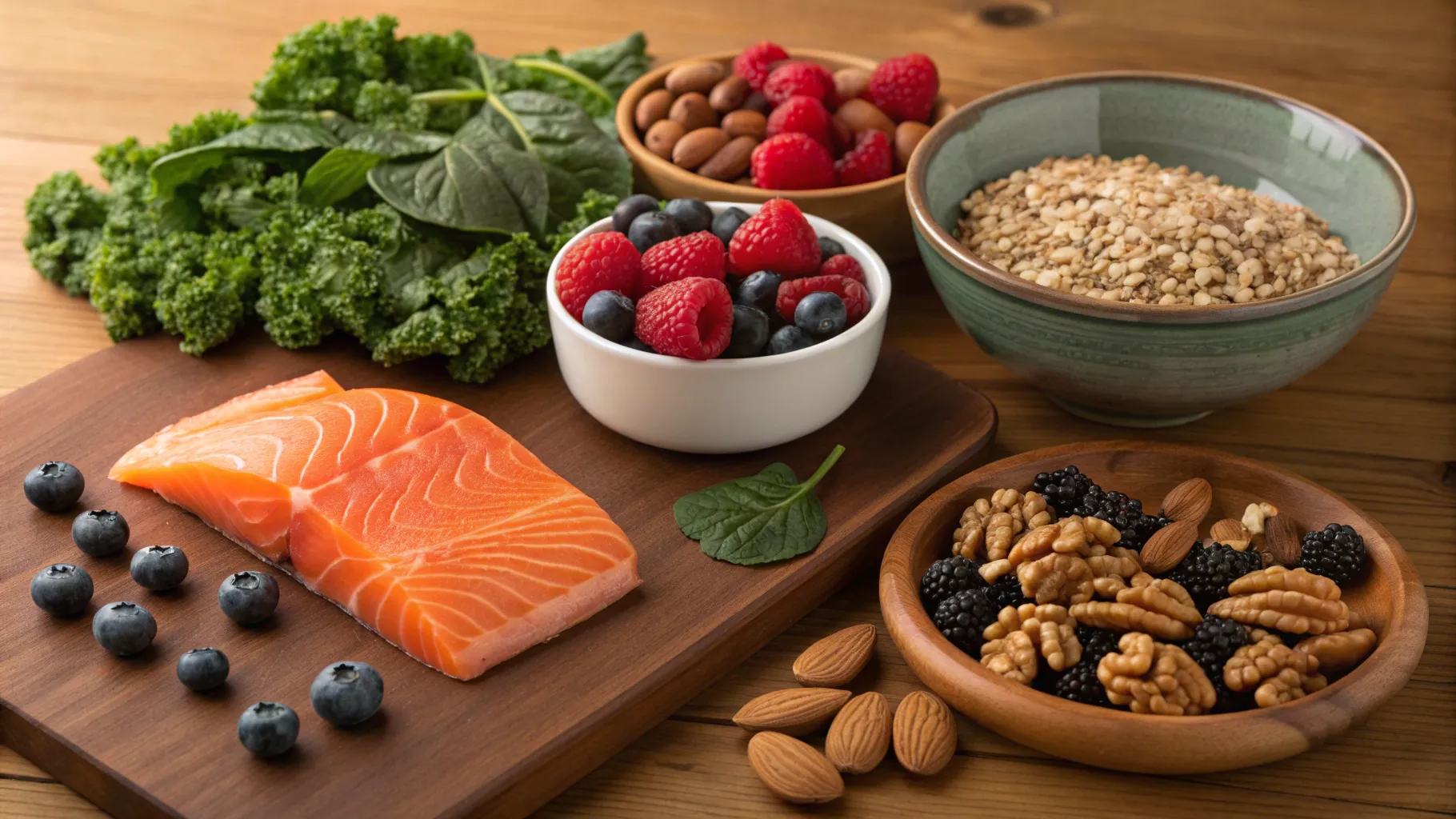
Brain Disease Preventing Foods For Optimal Brain Health
In a fast-paced world, maintaining optimal brain health is increasingly important. With rising cases of cognitive decline, neurodegenerative disorders, and mental health challenges, understanding the connection between diet and brain function is essential. Research highlights how certain foods support cognitive abilities and overall brain wellness. Reflecting on dietary habits can reveal how nutrition contributes to sustaining brain health and preventing disease.
Understanding the Connection Between Foods and Brain Function
The foods we consume hold remarkable power over our cognitive functions. Research shows that certain nutrients can enhance mental clarity, focus, and memory. A recent study published by the Journal of Nutritional Neuroscience in the last quarter of 2024 highlighted that diets rich in antioxidants, omega-3 fatty acids, and vitamins can dramatically delay the onset of cognitive decline.
- Antioxidants: Found in fruits and vegetables, antioxidants combat oxidative stress and inflammation, both of which can lead to neural degeneration.
- Omega-3 Fatty Acids: Essential for neuronal function, these fats are critical for cognitive health and are primarily found in fish.
- Vitamins: Nutrients such as B vitamins, vitamin E, and vitamin D are essential for memory and mood regulation.
Foods Linked to Brain Function
Adopting a brain supportive diet involves making conscious choices about the foods we eat. Here are some top foods that have been linked to improved brain health:
- Fatty Fish: Salmon, mackerel, and sardines are rich in omega-3 fatty acids. According to recent studies, consuming fish twice a week can improve memory and cognition by up to 30%.
- Berries: Blueberries and strawberries provide a potent mix of antioxidants. Research indicates that these fruits can improve communication between brain cells, enhancing memory.
- Leafy Greens: Vegetables like spinach, kale, and broccoli are rich in vitamins K, C, and E. A study conducted in early 2025 found that adults who regularly consumed these greens performed better on cognitive tests compared to those who did not.
- Nuts and Seeds: Almonds, walnuts, and flaxseeds not only contribute healthy fats but also omega-3s and vitamin E, both of which are vital for brain function.
- Whole Grains: Foods like oats, quinoa, and brown rice provide sustained energy, which is essential for brain health. Consuming these can lead to better concentration and cognitive endurance throughout the day.
Healthy Eating for Brain Support: Practical Tips
Knowing which foods to include in your diet is just the beginning. It’s equally important to understand how to adopt these foods into your everyday meals. Here are some practical tips for integrating brain health foods into your lifestyle:
- Start Your Day Right: Opt for oatmeal topped with berries and a sprinkle of nuts. This combination provides a hearty breakfast rich in antioxidants and healthy fats.
- Snack Wisely: Instead of opting for processed snacks, choose mixed nuts or a piece of fruit like an apple or banana with nut butter. This snack is not just delicious but also nourishes the brain.
- Experiment with Recipes: Try incorporating fatty fish into your meals at least twice a week. Dishes like salmon with a green salad or mackerel on whole-grain toast can be both tasty and brain-smart.
- Hydration Matters: Don’t forget to drink plenty of water. Dehydration can negatively impact your brain function, so keep that water bottle handy.
- Mindful Eating: Focus on your meals. Eating slowly and enjoying your food can make you more aware of what you are consuming and help you make better choices.
Brain Health Foods at Work
Seeing the impact of these foods for brain wellness in real life can be incredibly motivating. In a recent case study conducted on a group of older adults, those who revised their diets to focus on brain health saw a significant improvement in cognitive function within just six months. Participants who replaced processed foods with omega-3-rich options reported clearer thinking and improved memory retention.
Moreover, corporate wellness programs are beginning to recognize the importance of nutrition in mental performance. Companies that provide brain-friendly snacks in the workplace, like nuts and berries, find their employees experience fewer mental fatigue symptoms and are generally more productive.
Final Thoughts on Brain Supportive Diet Basics
Eating for brain health is not merely about avoiding adverse foods; it’s about embracing the rich variety of brain supportive diet basics available. By making small changes to integrate brain-friendly foods into your lifestyle, you pave the way for better cognitive health as you age.
Moreover, the encouraging news is that you don’t have to make drastic changes overnight. Gradual adjustments to your diet can lead to significant benefits for your brain. Prioritizing meals that include antioxidants, omega-3s, and essential vitamins will not only support your brain health but also enhance your overall well-being.
In 2025, let’s take a proactive approach to our diet, ensuring every bite is a step toward a healthier brain, free from diseases that threaten our cognitive abilities.