How to Remove Basement Odors for a Fresher Living Space
Facts:
- Basements are common sources of musty smells.
- Humidity control is a key trend for permanent household odor removal.
Mastering Basement Odor Control: Your Guide to a Fresh Home
A musty or unpleasant smell in your basement can affect your home's air quality and comfort. Removing basement odors is key to turning a damp, unwelcoming space into a clean, usable area. This guide explores practical strategies for basement odor control, offering advice and long-term solutions to keep your home fresh. It covers identifying odor sources, moisture management, and preventive measures to stop odors from returning. With this essential knowledge, you can improve your basement’s environment and maintain lasting freshness for a healthier, more comfortable home.
Identifying and Eliminating the Source of Basement Odors
The first and most critical step in any successful basement odor removal tips strategy is to accurately identify the source of the smell. Without addressing the root cause, any efforts at removing basement smells will only be temporary. Basements are prone to various odor sources due to their unique environment, including moisture, mold, mildew, stagnant water, and even pests. A thorough inspection is paramount to effective basement odor control.
Combatting Mold and Mildew: The Primary Culprits
Mold and mildew thrive in dark, damp environments, making basements prime locations for their growth. These fungi produce volatile organic compounds (VOCs) that are responsible for the characteristic musty smell. To combat them, you must first address the moisture. Look for visible signs of mold on walls, floors, ceilings, and stored items. Use a stiff brush and a solution of one cup bleach to a gallon of water (or a non-toxic mold killer) to scrub away mold. For extensive growth, professional remediation might be necessary. Ensuring good ventilation and reducing humidity are critical steps in preventing their return, which is central to long-term basement odor removal tips.
Addressing Water Intrusion and Dampness
Water intrusion, whether from leaks, cracks in the foundation, or poor drainage, creates the perfect breeding ground for odors. Even small amounts of standing water can lead to significant problems. Inspect your basement walls and floor for any signs of water stains, peeling paint, or efflorescence (white, powdery residue). Repair any leaks in pipes, seal cracks in the foundation with hydraulic cement or epoxy, and ensure your exterior landscaping slopes away from the house to prevent water accumulation. Installing a sump pump can be a vital part of your basement smell solutions if you experience frequent flooding.
Enhancing Ventilation and Air Circulation
Poor ventilation allows stale, moist air to linger, intensifying any existing odors and encouraging mold growth. Increasing air circulation is an often-overlooked yet fundamental aspect of removing basement smells. Open windows and doors whenever possible to allow fresh air to circulate. Consider installing an exhaust fan or using portable fans to keep air moving. A whole-house ventilation system can provide more comprehensive air exchange, actively bringing in fresh air and expelling stale air, contributing significantly to overall household odor removal efforts.
Dehumidification for Lasting Freshness
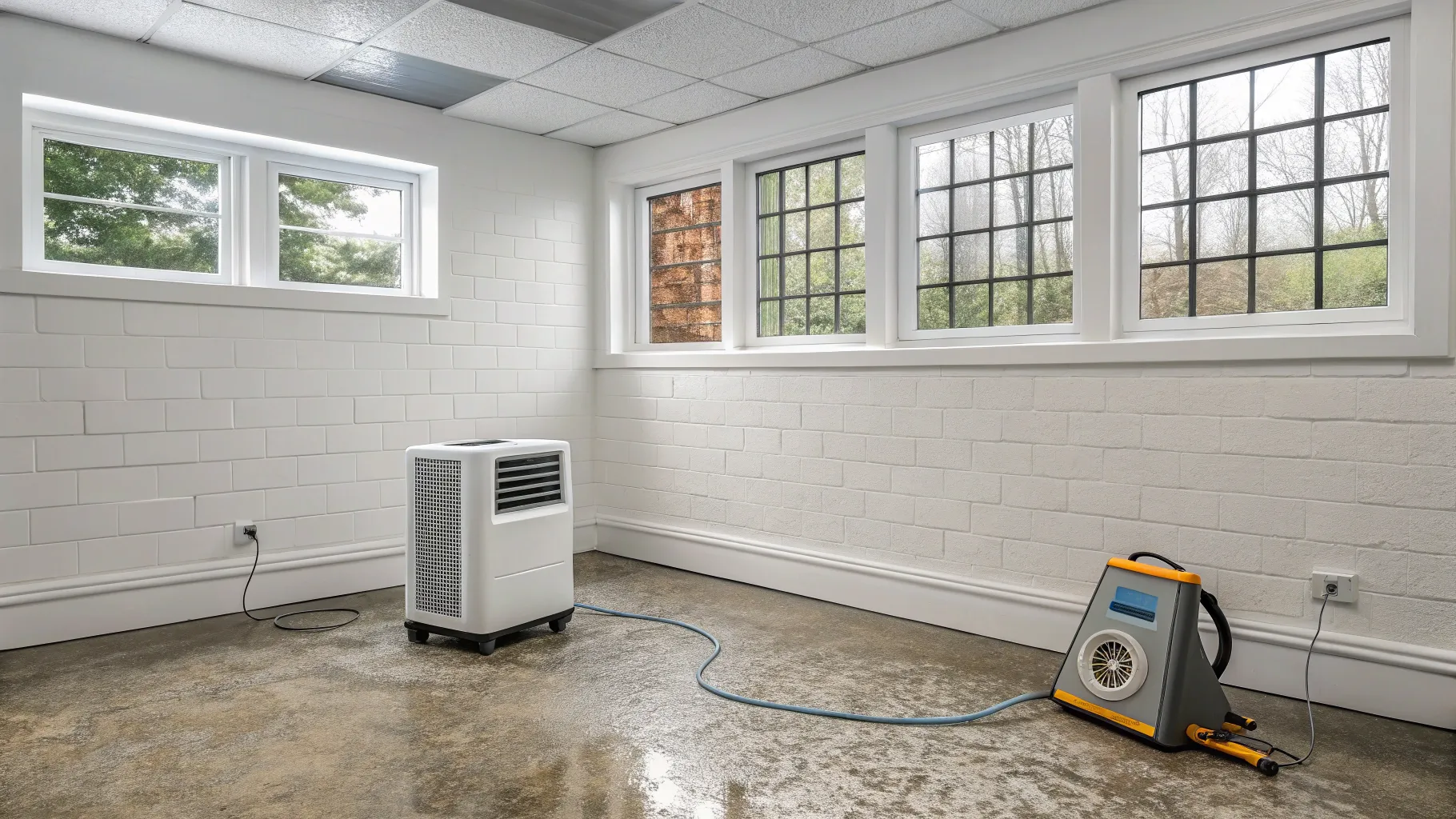
High humidity is the single biggest contributor to basement odors. Moisture in the air allows mold, mildew, and other odor-causing microbes to flourish. A high-quality dehumidifier is an indispensable tool for basement odor control. Aim to maintain relative humidity levels between 30% and 50%. Continuously running a dehumidifier, especially in warmer months, will extract excess moisture from the air, drastically reducing the conditions necessary for odor-causing agents to thrive. This is one of the most effective basement odor removal tips for sustained results.
Strategies and Preventative Measures
Beyond immediate remediation, implementing advanced strategies and preventative measures is key to long-term basement odor control. These proactive steps ensure that your efforts in removing basement smells are not just temporary fixes but lasting solutions that maintain a fresh and healthy home environment.
Odor Absorbers and Air Purifiers
While addressing the source is primary, various products can help neutralize residual odors. Activated charcoal, baking soda, and commercial odor absorbers can be placed in various locations throughout the basement to absorb airborne smells. Air purifiers equipped with HEPA filters and activated carbon can also be effective at capturing airborne particles and gases responsible for lingering odors, offering an additional layer of household odor removal.
Regular Cleaning and Maintenance Protocols
A consistent cleaning regimen is crucial. Regularly vacuum and dust your basement, paying close attention to corners and less-frequented areas where dust and debris can accumulate and harbor odors. Periodically clean walls and floors with appropriate cleaners. Inspect stored items; discard anything damaged by water or mold, and ensure that items stored in the basement are in airtight containers to prevent them from absorbing moisture and odors. This proactive approach significantly reduces the likelihood of future odor issues, bolstering your basement smell solutions.
Professional Consultation for Persistent Issues
If despite all your efforts, you are still experiencing persistent and strong basement odors, it might be time to call in professionals. Odor removal specialists can conduct more in-depth inspections, identify hidden sources of mold or other contaminants, and provide specialized treatments that are beyond the scope of DIY solutions. They can offer advanced basement odor removal tips and techniques that ensure comprehensive and lasting results.
Practical Actionable Advice for Permanent Basement Freshness
Achieving permanent freshness in your basement requires a multi-faceted approach, combining immediate remediation with consistent preventative practices. By following these actionable steps, you can transform your basement into a clean, odor-free, and inviting space, enhancing your home's overall atmosphere.
- Inspect for Moisture Regularly: Make it a habit to check your basement for any signs of water intrusion, leaks, or condensation, especially after heavy rains. Early detection is key to preventing major odor issues and is a cornerstone of effective basement odor control.
- Maintain Optimal Humidity: Invest in a reliable dehumidifier and ensure it runs consistently to keep humidity levels between 30-50%. This is arguably the most important of all basement odor removal tips for preventing mold and mildew growth.
- Enhance Airflow: Utilize fans, open windows, and consider installing an exhaust fan to promote continuous air circulation. Stagnant air is a breeding ground for odors, making good ventilation vital for removing basement smells.
- Clean and Declutter: Regularly clean your basement, removing dust, debris, and any items that may be contributing to odors. Store items in sealed, elevated containers to protect them from moisture and pests, improving your household odor removal efforts.
- Address Drains and Sump Pumps: Ensure floor drains are clean and filled with water (if applicable) to prevent sewer gases from entering. Regularly check and maintain your sump pump to ensure it's functioning correctly, preventing potential flooding and dampness that can lead to odors.
- Seal Cracks and Gaps: Inspect your foundation, walls, and windows for any cracks or gaps that could allow moisture or outdoor odors to penetrate. Seal these openings promptly with appropriate materials to maintain a dry and odor-free environment, a critical component of successful basement smell solutions.
Frequently Asked Questions
What are the most common causes of basement odor?
The most common causes of basement odor include high humidity leading to mold and mildew growth, water leaks, poor ventilation, and occasionally, sewage gas or pest infestations. Addressing these underlying issues is fundamental for effective basement odor control.
Can household products help with basement odor removal tips?
Yes, household products like baking soda, white vinegar, and activated charcoal can help absorb and neutralize mild odors. However, these are typically temporary solutions and won't eliminate the odor source, which is crucial for permanent removing basement smells.
How often should I run a dehumidifier for optimal basement odor control?
For optimal basement odor control, a dehumidifier should generally run continuously, especially during humid months. It's important to monitor the humidity levels and adjust settings to maintain them between 30% and 50% relative humidity.
When should I consider professional help for basement odor removal?
You should consider professional help if odors persist despite your best efforts, if you suspect hidden mold growth, or if you've experienced significant water damage. Professionals can identify complex issues and provide specialized basement smell solutions.