Discover Foods That Help Maintain Brain Health and Function
Foods That Support Brain Wellness and Alzheimer’s Prevention
As research on health and aging advances, the impact of nutrition on preventing conditions like Alzheimer’s is gaining focus. The link between diet and brain health is increasingly understood, helping people make informed food choices. While no cure exists, some foods support cognition and may lower Alzheimer’s risk. In 2025, knowing how diet influences brain function can promote overall wellness and mental sharpness.
Understanding the Importance of a Brain Supportive Diet
A brain-supportive diet is essential for maintaining cognitive function as we age. Research has shown that adhering to specific dietary patterns can influence brain health significantly. The Mediterranean diet and the DASH (Dietary Approaches to Stop Hypertension) diet, for instance, are praised for their benefits regarding cognitive decline. They emphasize fruits, vegetables, whole grains, nuts, and healthy fats while minimizing processed foods, red meats, and sugar.
In 2023, a pivotal study from the Journal of Alzheimer's Disease revealed that middle-aged adults who followed a Mediterranean-style diet had a 30% lower risk of developing Alzheimer’s compared to those with less healthy eating patterns. The essence of such diets is their high antioxidant and polyphenol content, which combats oxidative stress and inflammation, both of which are implicated in Alzheimer’s pathology.
Essential Foods for Brain Wellness
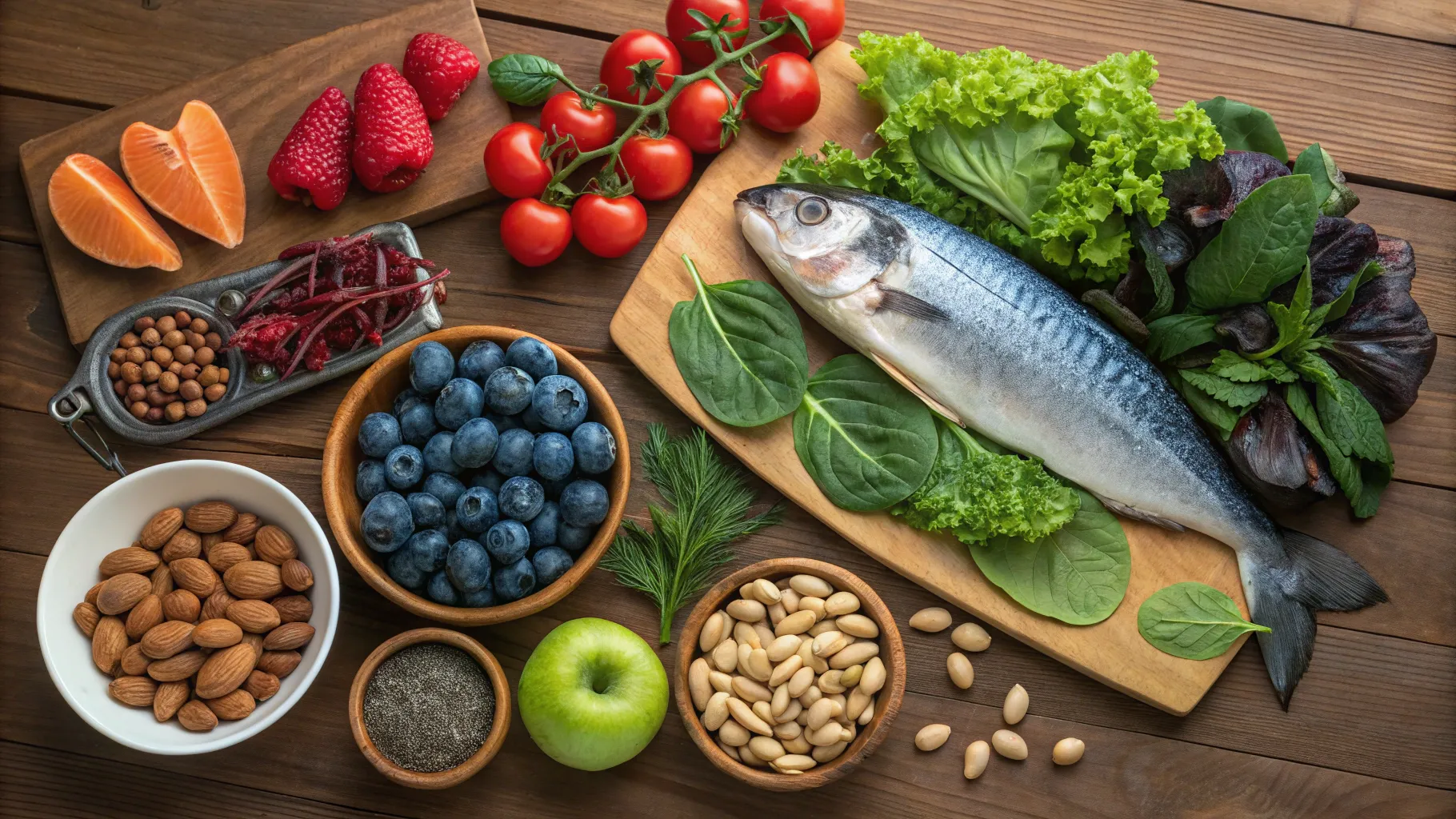
- Fatty Fish: Salmon, mackerel, and sardines are rich in omega-3 fatty acids, crucial for brain health. Omega-3s play a vital role in building brain and nerve cells, essential for memory and overall cognitive function. Recent insights suggest that individuals consuming fatty fish at least twice a week may experience slower cognitive decline.
- Berries: Blueberries and strawberries are loaded with antioxidants, particularly flavonoids, which have been shown to enhance memory. In fact, a study conducted less than a year ago highlighted that older adults who consumed blueberries regularly had improved verbal memory skills.
- Leafy Greens: Vegetables like kale, spinach, and broccoli are nutrient-dense and contain high levels of vitamins K, C, and folate, known to support cognitive function. A 2023 research article concluded that participants who included leafy greens in their diet showed less cognitive decline.
- Nuts: Walnuts, almonds, and hazelnuts are excellent sources of vitamin E, which has been linked to less cognitive decline in older adults. Including a handful of nuts daily can support overall brain health.
- Whole Grains: Oats, quinoa, and brown rice provide energy and are rich in fiber, which is vital for maintaining steady insulin levels. Studies indicate that high fiber intake correlates with better brain function due to improved blood flow.
- Dark Chocolate: Yes, you read that correctly! Dark chocolate packed with at least 70% cocoa is a powerful brain food. It contains flavonoids that may boost memory and cognitive performance. Emerging studies in 2024 suggest that cocoa has neuroprotective properties that can reduce the risk of Alzheimer’s.
Healthy Eating Habits for Brain Function
Beyond the types of foods consumed, it’s important to adopt healthy eating habits that promote brain wellness. Here’s how you can enhance your diet:
- Practice Portion Control: Overeating can lead to weight gain and increased risk of chronic diseases that affect brain health. Mindful eating is key.
- Stay Hydrated: Dehydration can impair cognition. Aim for adequate water intake to support overall body function, including the brain.
- Limit Sugar and Processed Foods: High sugar intake can lead to insulin resistance, which is linked to Alzheimer’s. Reducing processed foods can significantly impact your overall health.
- Include Variety: Eating a variety of foods rather than sticking to a monotonous diet ensures you get a range of nutrients essential for brain function.
- Mind your Cooking Methods: Opt for grilling, baking, or steaming over frying to keep your meals healthy. Healthy fats are essential, but moderation is key.
Realizing that what we consume directly impacts our cognitive abilities and overall health transforms how we view meal preparation and consumption. Individuals who make a conscious effort to eat not only for taste but also for brain support report enhanced mood and mental clarity.
Recent Innovations in Brain Health Nutrition
2025 has seen remarkable innovations in the area of nutrition science, particularly with developments in foods fortified with nutrients known to support cognitive function. Companies are producing food products enriched with plant-based omega-3s and antioxidants, making it easier to access brain-friendly options. This trend highlights a growing awareness among consumers about the importance of cognitive health.
The question often arises, how can one incorporate these foods into their daily diet? The answer lies in creativity:
- Start your day with oatmeal topped with berries and nuts for breakfast.
- Prepare salads laden with leafy greens, avocados, and grilled salmon for lunches.
- Snack on dark chocolate and walnuts instead of processed snacks.
- End your meals with a berry smoothie or a fruit salad.
By structuring meals to include Alzheimer’s preventing foods and fostering healthy eating habits, everyone can work towards promoting better brain health. Experts suggest not only focusing on what you eat but also how you eat can enhance your experience. Eating meals mindfully, appreciating each flavor while reducing distractions may enhance digestion and overall satisfaction.
The journey towards optimal brain health and longevity is ongoing, but with every bite of fatty fish, every spoonful of berries, and every leafy green ingested, we are planting the seeds for a healthier mind. So, embark on this culinary adventure and champion your brain’s wellness!