Age Spots and Melasma Differences Causes Symptoms and Care
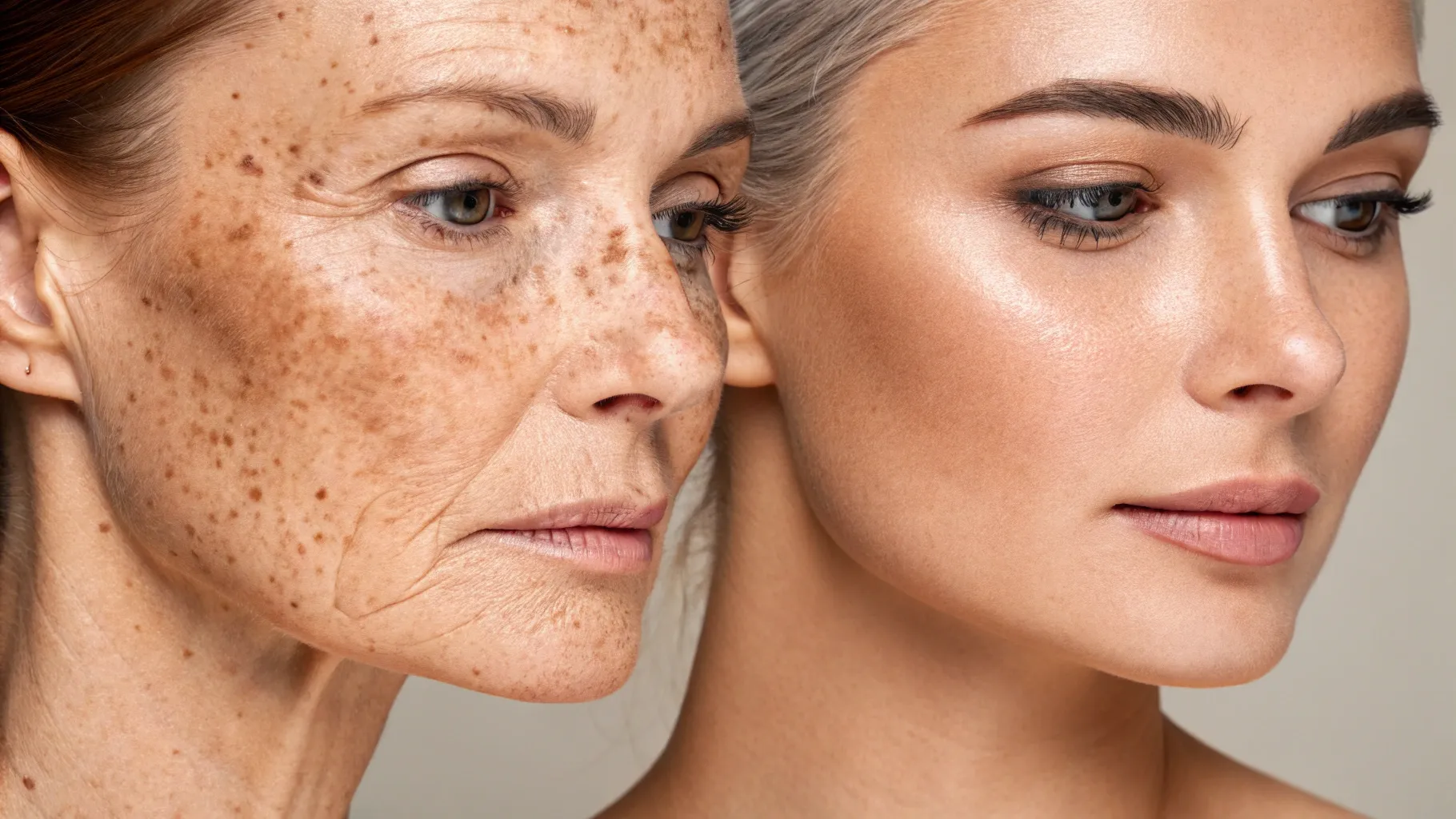
Understanding Age Spots and Melasma
Skin discoloration is a common dermatological concern that affects many individuals. Two prevalent types of pigmentation irregularities are age spots and melasma, which are often confused due to their similar appearance. Understanding the distinct characteristics and causes of these conditions is essential for accurate diagnosis, appropriate management, and the development of effective prevention strategies, ultimately contributing to healthier and more uniform skin pigmentation.
Differences Between Age Spots and Melasma
Age spots, often referred to as liver spots or solar lentigines, appear as small, flat, brown, or black spots that typically develop in areas of the skin exposed to the sun. According to dermatologists, these spots can emerge as early as the late twenties, but they become increasingly common with age. Recent surveys indicate that approximately 90% of individuals over the age of 50 have at least one visible age spot.
In contrast, melasma is characterized by larger patches of dark skin that predominantly manifest on the face. The most affected areas often include the cheeks, forehead, and upper lip. This condition is frequently triggered by hormonal changes, such as those that occur during pregnancy or as a result of birth control pill intake, making melasma more prevalent among women. A recent study published in early 2025 revealed that melasma affects nearly 6 million women in the United States alone.
Identifying Skin Discoloration
Determining whether you are dealing with age spots or melasma involves careful observation of the specific characteristics of the skin discoloration present. Here are some practical pointers to consider:
- Location: Age spots commonly appear on sun-exposed areas of the body, such as the face, hands, and arms. Conversely, melasma predominantly occurs on the face, especially on the cheeks and forehead.
- Shape and Size: Age spots are generally smaller with irregular edges, while melasma patches are larger, featuring a more uniform shape that often merges with surrounding areas.
- Color: Age spots mostly exhibit a solid brown or black color, whereas melasma can show a spectrum of shades from light brown to blue-gray.
- Symmetry: Melasma typically appears symmetrically on both sides of the face, while age spots can vary significantly in their placement.
Symptoms of Melasma
For those affected by melasma, symptoms extend beyond mere discoloration. Common associated features include:
- Dry or irritated skin that may exacerbate discomfort.
- Increased pigmentation levels during sunny days or a noticeable darkening of existing patches.
- Emotional distress due to visible skin changes, impacting self-esteem and confidence levels.
Natural Ways to Achieve Even Skin Tone
Regardless of whether you're grappling with age spots or melasma, there are numerous effective natural remedies that can help in attaining a more uniform skin tone. Here are several popular options supported by scientific evidence:
- Lemon Juice: Renowned for its natural bleaching properties, applying freshly squeezed lemon juice directly onto the affected areas can gradually lighten dark spots. It’s important to note that sunscreen should be used afterward as lemon juice can increase sensitivity to sunlight.
- Aloe Vera: Known for its soothing effects, aloe vera is also beneficial for lightening skin irregularities. Regular application of aloe vera gel may promote skin health and assist in reducing visible pigmentation.
- Green Tea Extract: Packed with antioxidants, green tea can help combat oxidative stress that is often responsible for worsening pigmentation issues. This extract, when applied to the skin, might alleviate some symptoms of melasma.
- Apple Cider Vinegar: Containing acetic acid, this popular remedy may lighten pigmentation when diluted with water and used as a toner for the skin.
- Turmeric: Boasting powerful anti-inflammatory and antioxidant properties, turmeric can enhance skin tone. A simple paste made with turmeric powder and water, applied to the concerned areas for 30 minutes before rinsing, may prove beneficial.
In addition to these remedies, it is essential to maintain a consistent skincare routine that includes gentle exfoliation and sun protection. Ultraviolet (UV) rays from the sun can exacerbate both age spots and melasma, emphasizing the need to apply broad-spectrum sunscreen on a daily basis.
Diet and Hydration: Never underestimate the impact of diet on skin health! A diet rich in antioxidants paired with adequate hydration plays a pivotal role. Consuming foods such as berries, nuts, and leafy greens contributes to a more radiant complexion. Additionally, staying well-hydrated by drinking plenty of water aids in maintaining skin elasticity and moisture.
A Guide to Treatments for Common Skin Discoloration
If natural remedies don't yield satisfactory results, professional treatments are available for both age spots and melasma. Dermatological options such as laser therapy, chemical peels, and microdermabrasion have proven to be effective choices. These treatments can significantly reduce the appearance of dark spots or patches, especially when complemented with a strong sunscreen regimen.
Being aware of the distinctions between age spots and melasma is crucial for implementing the right treatment. Both conditions can be effectively managed through a combination of lifestyle adjustments, natural remedies, and professional dermatological care. Equipped with this knowledge, individuals are empowered to take proactive steps toward achieving and maintaining healthier, more even-toned skin.