Explore Nutritional Benefits of 10 Foods for Healthy Aging
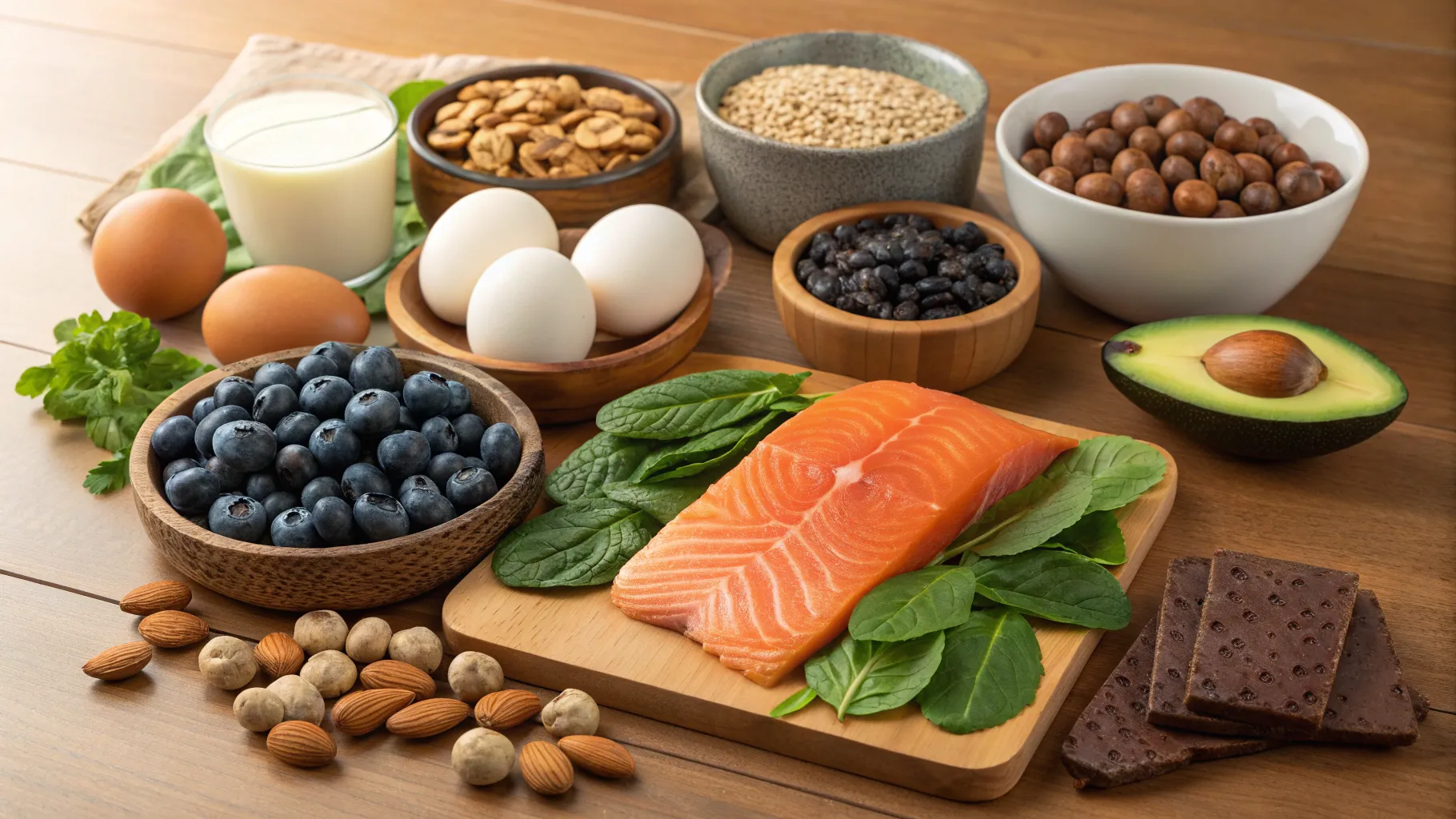
The Role of 10 Foods in Promoting Healthy Aging
Aging is influenced by multiple factors beyond genetics, with lifestyle choices—especially nutrition—playing a critical role. As the body ages, its nutritional needs change to maintain proper function and support overall health. Consuming a diverse range of nutrient-dense foods can help meet these evolving requirements, contributing to improved well-being and quality of life in older adults. This article examines 10 foods that provide important nutrients beneficial for the aging process.
1. Blueberries
First on our list are blueberries, often touted as a superfood. These little berries are packed with antioxidants, specifically anthocyanins, which have been shown to fight oxidative stress and inflammation, two major contributors to aging. According to recent studies, regular consumption of blueberries can improve memory and cognitive function, making them an ideal snack for seniors. Not only are they delicious, but they can be easily added to yogurt, cereals, or smoothies.
2. Fatty Fish
- Salmon
Salmon is rich in omega-3 fatty acids, which are crucial for heart health and brain function. Studies highlight that consuming fatty fish may reduce the risk of dementia and cognitive decline. Aim for at least two servings of fatty fish each week.
- Mackerel and Sardines
Besides salmon, other oily fish like mackerel and sardines offer similar benefits and are loaded with vitamins D and B12, crucial for maintaining bone density and mental health.
3. Leafy Greens
Dark leafy greens such as spinach, kale, and collard greens are rich in nutrients like vitamin K, lutein, and folate. A recent study indicates that higher consumption of leafy greens is linked to slower cognitive decline. They are versatile and can be included in salads, smoothies, or as part of a main dish. In 2025, many health experts still recommend incorporating these greens daily into your diet.
4. Nuts
Nuts are another powerhouse food; they are high in healthy fats, fiber, and protein. Particularly, walnuts are recognized for their brain-boosting abilities. A recent review indicates that regular nut consumption may lower the risk of heart disease and improve cognitive abilities. Snacking on a handful of unsalted nuts is not only healthy but also convenient.
5. Whole Grains
Replacing refined grains with whole grains can significantly improve your overall health. Foods like quinoa, barley, and whole grain bread provide essential fiber, which is vital for digestive health and maintaining stable blood sugar levels. A study published earlier this year suggests that older adults who consume a high-fiber diet tend to have a lower risk of chronic diseases.
6. Avocados
Avocados have surged in popularity for good reason. They are rich in monounsaturated fats, which can help lower cholesterol levels, and also offer a wealth of vitamins and minerals, including potassium and vitamins C, E, and K. Regular consumption of avocados has been shown to support heart health, a crucial consideration as we age.
7. Yogurt
Yogurt, particularly the varieties that contain live probiotics, is a stellar choice for maintaining gut health. Probiotics enhance digestion and nutrient absorption, which is essential for older adults facing intestinal issues. Recent studies highlight the connection between gut health and overall wellness, emphasizing yogurt as a simple way to introduce beneficial bacteria into your diet.
8. Sweet Potatoes
Sweet potatoes are not only tasty but also packed with vitamins A and C, fiber, and antioxidants. They have a low glycemic index, making them an ideal food for managing blood sugar levels. Cooking them in various ways—from baking to mashing—adds versatility to your meals.
9. Eggs
Eggs are an excellent source of protein and contain essential amino acids that support muscle maintenance. As we age, maintaining muscle mass becomes increasingly important. Furthermore, eggs are rich in nutrients like vitamin D, which is crucial for bone health. Including eggs in your breakfast can boost your overall nutrient intake.
10. Dark Chocolate
Finally, the good news for chocolate lovers: dark chocolate is loaded with antioxidants and has been shown to improve heart health and cognitive function. Having a small piece regularly can benefit your health without leading to excessive sugar intake.
In 2025, many nutritionists suggest looking for chocolate that contains at least 70% cocoa to maximize health benefits and enjoy it in moderation.
Balanced Eating for Older Adults
Healthy aging hinges not just on individual foods but on the overall balance of your diet. Older adults should aim for a colorful plate at each meal, incorporating a variety of foods from different groups. This diverse selection ensures adequate nutrient intake that supports not just physical health but also cognitive and emotional well-being. Mindful eating and staying hydrated are equally important, so always pair meals with plenty of water. Recent surveys indicate that many seniors struggle with hydration, especially in hot weather, so make it a habit to have a glass nearby.
Overall, embracing healthy eating patterns focused on the 10 foods for healthy aging can foster better health outcomes and vitality. With a few simple changes and a focus on nutrient-dense foods, aging can be a more graceful and enjoyable journey.