Boosting Leg Circulation Naturally
Understanding Leg Circulation: What Causes Poor Leg Circulation?
Good leg circulation is crucial for maintaining overall health. Understanding what causes poor leg circulation can help in tackling issues effectively. Common causes include prolonged inactivity, such as sitting or standing for long periods, and can be exacerbated by conditions like diabetes, obesity, or smoking. These factors can slow blood flow, leading to leg pain and fatigue.
Age is another critical factor; as we get older, our veins can lose elasticity, making it harder for the blood to flow back to the heart. Therefore, boosting circulation with targeted approaches becomes increasingly important.
Effective Circulation Boosters for Legs and Feet
Thankfully, there are many methods to improve leg circulation. Circulation boosters for legs and feet play a significant role, including dietary supplements and physical exercises. For those looking to buy circulation support supplements, options like omega-3 fatty acids, garlic, and horse chestnut have been shown to benefit vascular health.
- Omega-3 supplements can improve blood flow and reduce inflammation.
- Garlic is known for its ability to thin the blood and enhance circulation.
- Horse chestnut is frequently used for venous issues and swelling.
When considering supplements, it's advisable to consult with a healthcare provider to tailor a regimen based on individual health needs.
Best Exercises to Improve Leg Circulation
Regular physical activity is a tried-and-true method for boosting circulation. The best exercises to improve leg circulation include walking, swimming, and cycling. These activities promote blood flow without putting too much strain on the legs.
Walking is particularly beneficial because it engages the calf muscle, which acts as a pump for your veins. Set a goal to walk for at least 30 minutes each day. Swimming provides a low-impact workout, offering resistance that enhances circulation throughout the body while avoiding pressure on the joints.
Cycling is another excellent option; whether outdoor or using a stationary bicycle, it keeps the legs active, promoting healthy blood flow.
Circulation Therapy Devices for Home Use
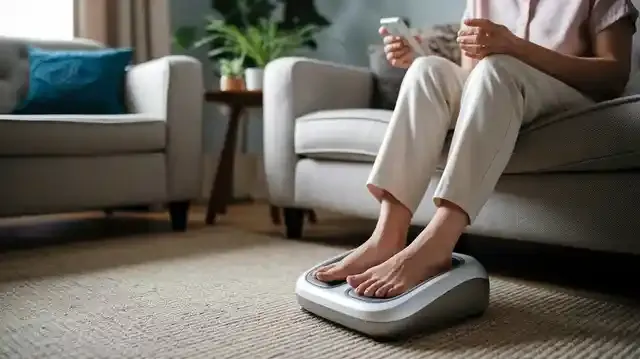
For individuals seeking additional support, circulation therapy devices for home use can be particularly effective. Options include compression socks, leg massagers, and foot spas, all designed to stimulate blood flow and reduce discomfort.
Compression socks apply gentle pressure to the legs, supporting vein function and reducing swelling. Leg massagers use rhythmic kneading motions to encourage circulation. Foot spas, equipped with heated water jets, can soothe the feet and improve overall blood flow.
Investing in these devices can be a practical solution for consistent at-home therapy.
Finding professional guidance is sometimes necessary. Searching for a vascular doctor near me for leg pain can provide insights into more personalized treatments. Experts might recommend lifestyle changes, medications, or even medical procedures tailored to specific needs.
Addressing leg circulation isn't just about mitigating discomfort; it's about preventing further complications, like varicose veins or deep vein thrombosis. By understanding the contributing factors and actively engaging in supportive activities, you can take charge of your health and feel more energized.
With dedicated effort and the right tools, improving leg circulation is achievable. Embrace a combination of lifestyle changes, exercises, and perhaps even a doctor’s consultation to ensure you maintain optimal leg health.