Learn Warning Signs of a Leaky Heart Valve Symptoms
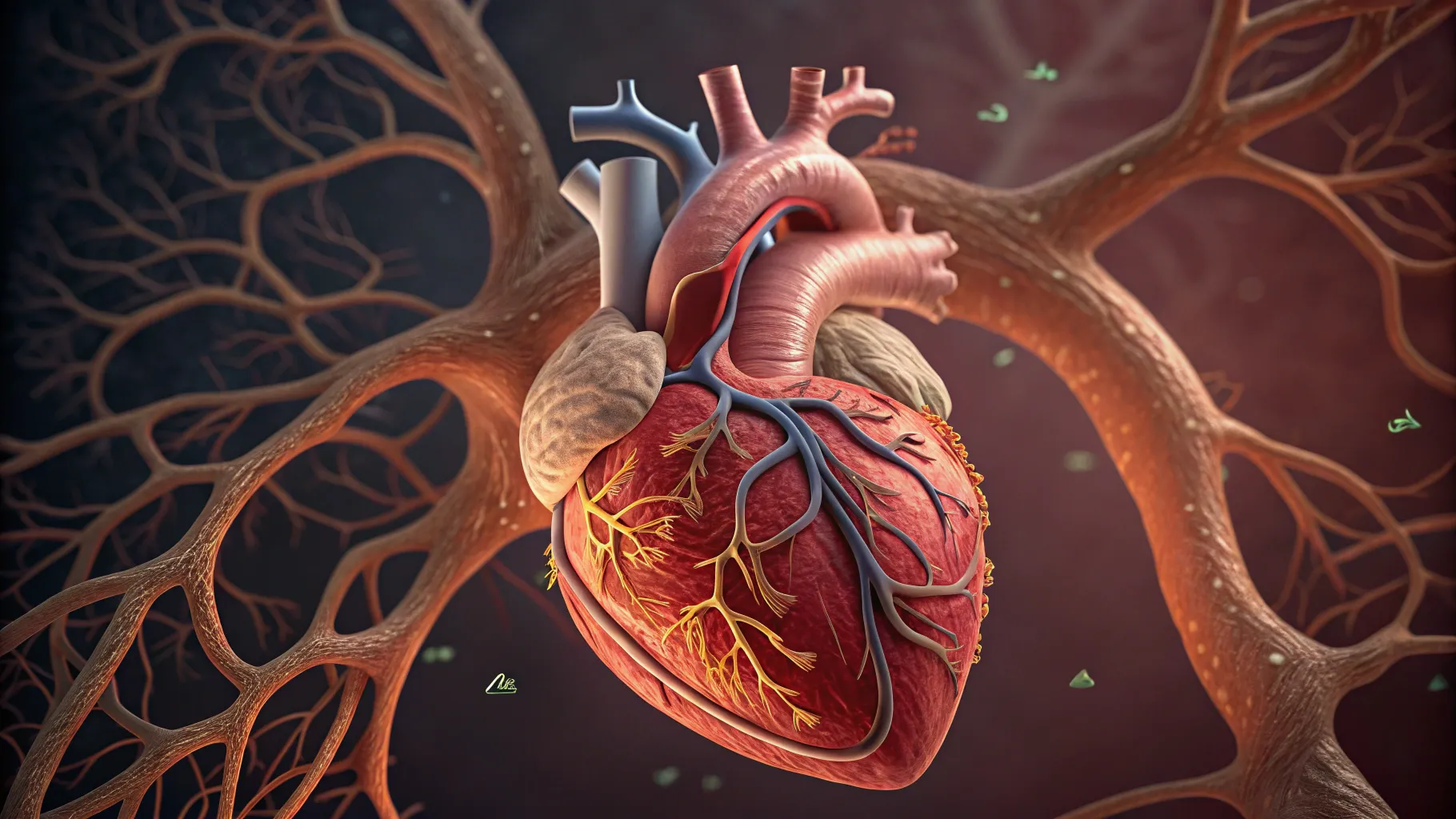
Understanding the Warning Signs of a Leaky Heart Valve
A leaky heart valve, medically known as valve regurgitation, occurs when the heart's valves do not close properly, allowing blood to flow backward in the heart. This can put strain on the heart and reduce its efficiency. Understanding the warning signs of a leaky heart valve is crucial because early detection can significantly impact treatment outcomes. In 2025, more people are recognizing the importance of cardiovascular health, and knowing these signs can be life-saving.
What Are the Symptoms of Heart Valve Problems?
Heart valve issues can manifest in various ways. While some people may experience no symptoms at all, others might notice a range of warning signs that indicate a problem. Here are some of the most common symptoms associated with heart valve problems:
- Shortness of Breath: One of the earliest signs of a leaky heart valve is difficulty breathing, especially during physical activity or when lying down.
- Fatigue: Persistent tiredness is often reported among those with heart valve issues, as the heart struggles to pump effectively.
- Irregular Heartbeat: Palpitations or an abnormal heart rhythm may indicate underlying valve problems.
- Swelling: Fluid retention can cause swelling in the legs, ankles, or abdomen due to poor circulation.
- Chest Pain: Some patients report pain or discomfort in the chest, though this is less common.
If you experience any of these symptoms, it's essential to consult a healthcare provider for an evaluation to rule out leaky heart valve or other cardiovascular issues.
How to Detect a Leaky Heart Valve
Detecting a leaky heart valve often involves a combination of medical history assessments, physical examinations, and diagnostic tests. The awareness and advancements in cardiac diagnostics have improved detecting heart issues in recent years, both in outpatient clinics and emergency settings.
1. Medical History and Physical Examination
Your doctor will begin by gathering your medical history and performing a physical examination. They may listen to your heart with a stethoscope to check for abnormal sounds, such as murmurs, which can indicate valve problems. Patients are often advised to share their symptoms, lifestyle, and any family history of heart disease, which can provide vital context for diagnosis.
2. Diagnostic Imaging
Several imaging techniques can be used to visualize the heart and assess its valves:
- Echocardiogram: This is the most common test used to evaluate heart valve function. It uses sound waves to create images of the heart's structure and can show how blood flows through it.
- Electrocardiogram (ECG): An ECG measures the heart's electrical activity and can help identify irregular rhythms that may indicate valve dysfunction.
- Chest X-ray: Though not specific for heart valves, it can indicate heart enlargement or fluid buildup in the lungs.
These tests help doctors assess the severity of the valve leakage and determine the best course of action.
3. Advanced Testing
In some cases, further testing may be required to understand the problem better:
- Cardiac MRI or CT Scan: These imaging studies provide detailed images of the heart's structure and are used for complex diagnoses.
- Cardiac Catheterization: This procedure involves threading a thin tube through blood vessels to the heart to measure pressure and blood flow directly.
Such advanced techniques play an essential role in diagnosing and evaluating leaky heart valves, particularly in patients with multiple comorbidities or unclear symptoms.
Early Signs of Heart Valve Disease
Awareness of early signs of heart valve disease is paramount, as many cases can develop insidiously over time. According to recent studies, nearly 1 in 8 individuals over the age of 75 suffers from some form of heart valve disease, highlighting the need for public awareness of these crucial early indicators.
Some of the early warning signs can often be mistaken for other health issues. For instance, fatigue may be misattributed to aging or stress, whereas shortness of breath during daily activities may be rationalized by an inactive lifestyle. Recognizing these signs is vital—especially for older adults—because timely medical intervention can improve prognosis and quality of life.
Assessing Risk Factors
Understanding personal and family risk factors for heart valve disease can also alert individuals to potential problems. Factors may include:
- Age: The risk of developing valve issues increases with age.
- Pre-existing Conditions: Conditions such as hypertension, diabetes, or rheumatic fever can exacerbate valve dysfunction.
- Genetic Factors: A family history of heart disease may increase your risk.
By not only recognizing these early signs but also understanding personal risk factors, individuals can proactively engage in discussions with their healthcare providers about heart health.
Diagnosis and Follow-Up Care for Valve Leakage
Once diagnosed with a leaky heart valve, your healthcare provider will discuss monitoring and management strategies tailored to your needs. Treatment options may vary—from lifestyle changes and medications to surgical interventions like valve repair or replacement depending on severity.
Regular follow-ups are crucial in managing heart valve conditions. Patients diagnosed with valve issues often benefit from routine check-ups and echocardiograms to assess the condition of the heart over time. These follow-ups also facilitate timely interventions should the condition worsen.
In conclusion, being informed about the warning signs of a leaky heart valve empowers you to take control of your cardiovascular health. By recognizing symptoms early and seeking medical advice, you can significantly enhance your quality of life and reduce the risks associated with heart valve diseases.