Learn Common Symptoms of Colitis and How to Seek Help
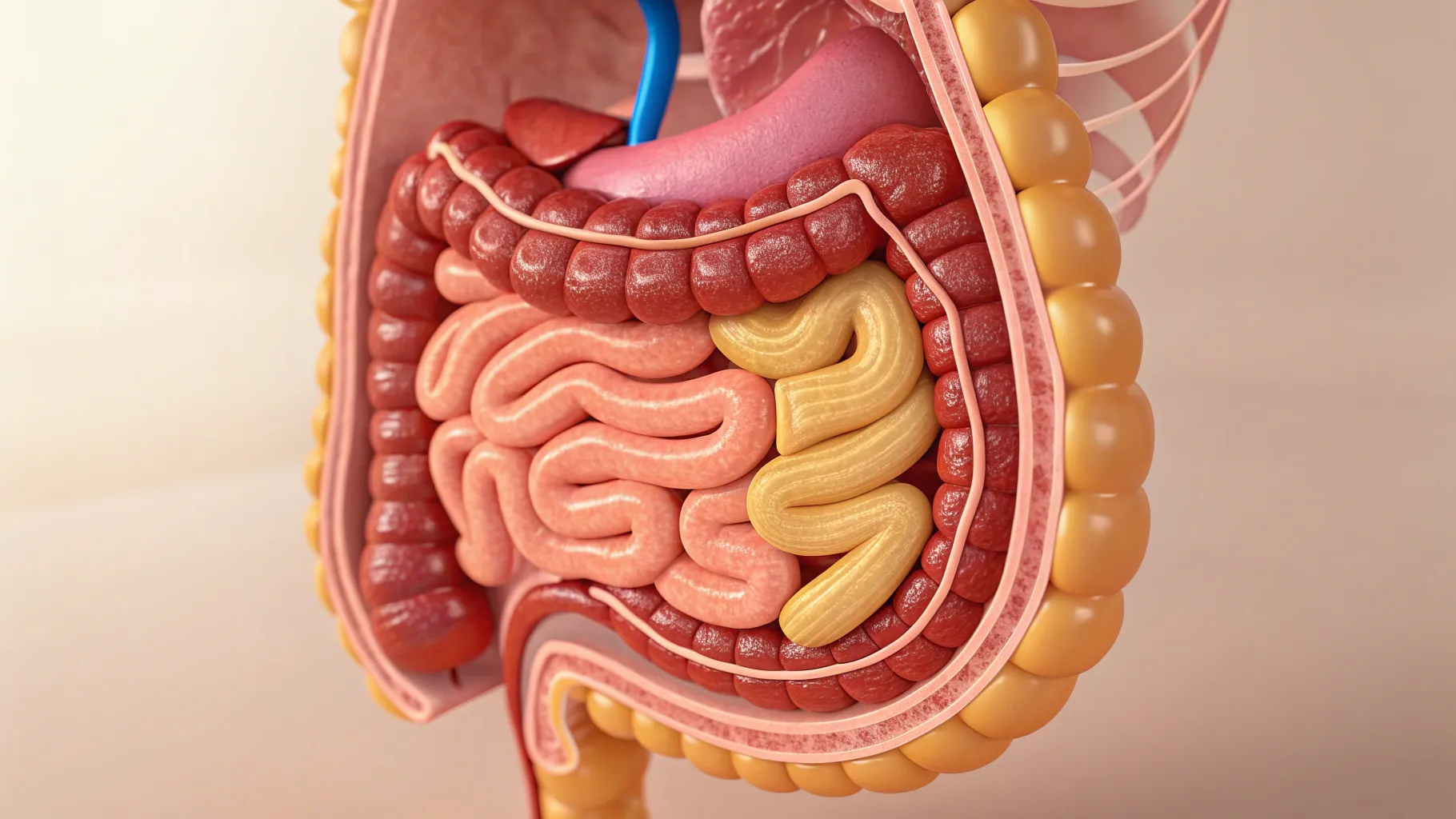
Common Symptoms of Colitis: What You Need to Know
Colitis refers to the inflammation of the inner lining of the colon, a condition that has garnered increasing attention due to its rising prevalence in the modern world. With the interplay of lifestyle and dietary factors, many individuals are now more susceptible to digestive disorders. Awareness of colitis symptoms is crucial for early detection and effective management, paving the way for timely medical intervention and reducing long-term complications.
How Colitis Impacts Your Digestive Health
Your colon serves a vital function in the body: it absorbs water and nutrients while facilitating waste removal. When colitis causes inflammation, it disrupts this balance, leading to a variety of uncomfortable symptoms that can significantly impact daily life. Recognizing these warning signs early is critical. Here are some common symptoms associated with colitis:
- Abdominal Pain: Often a primary symptom, abdominal pain can range from mild discomfort to severe cramping. Many patients experience bloating alongside pain, highlighting the need for prompt medical evaluation.
- Diarrhea: This frequent symptom may present as urgent, loose stools that can sometimes contain blood or mucus. It not only affects physical well-being but can also significantly interfere with personal and social activities, leading to frustrations.
- Fatigue: Chronic inflammation associated with colitis can drain energy reserves, often causing persistent tiredness. Many individuals living with colitis report feeling constantly fatigued, which can detract from their quality of life.
- Weight Loss: Unanticipated weight loss is another red flag. This symptom can arise alongside decreased appetite or issues with nutrient absorption, complicating the health picture further.
- Fever: Some patients may experience a low-grade fever during colitis flare-ups, signifying that the body is actively responding to inflammation.
Symptoms can vary greatly from person to person, making awareness even more important for unsatisfactory conditions. Monitoring your health can allow for quicker treatment, greatly enhancing quality of life.
Understanding the Complications of Colitis
Current research highlights that ongoing inflammation from untreated colitis can lead to severe health complications, a realization that emphasizes the need for proactive management. Data indicates that approximately one-third of individuals dealing with untreated colitis face substantial health risks, which could include complications like strictures, colon perforations, and even an increased risk of colon cancer over time. Such risks stress the importance of seeking effective treatment for conditions like ulcerative colitis and Crohn's disease, both of which pose challenges if not addressed appropriately.
Recognizing When to Seek Medical Help
Awareness of the aforementioned symptoms is crucial. If you experience them, consulting a healthcare professional is key. Digestive discomfort, especially when persistent, should never be brushed aside. Current best practices encourage early diagnosis: a gastroenterologist can utilize a range of diagnostic tests from physical examinations to blood tests, often employing colonoscopies to verify whether colitis is the culprit.
In addition to medical interventions, lifestyle changes have been shown to alleviate symptoms remarkably. Recent findings reveal that modifying dietary habits, particularly by avoiding trigger foods, can contribute to better health outcomes. For many with colitis, eliminating high-fat, spicy, and ultra-processed foods while emphasizing a nutritious diet filled with whole options makes a significant difference.
Complementary Approaches for Treating Colitis
Among the latest approaches to treatment, complementary therapies have attracted attention as valuable aids alongside traditional medicine. These strategies not only aim to provide symptom relief but also enhance overall well-being. Some popular complementary strategies start with:
- Probiotics: These beneficial microorganisms can help restore balance within gut flora, potentially diminishing colitis symptoms. The rise in probiotic supplements and fermented foods in diets shows a trend towards improving digestive health.
- Regular Exercise: Engaging in physical activity promotes not only better general health but also helps manage stress, another crucial factor in gastrointestinal health.
- Stress Management: Methods like mindfulness, meditation, and yoga are becoming increasingly embraced. Many individuals find that these practices help combat the emotional toll of living with a chronic condition.
While complementary treatments can significantly assist during management, maintaining open communication with healthcare providers remains essential. Tailored plans based on personal needs ensure effectiveness in treating colitis symptoms.
The Real-World Effects of Living with Colitis
Living with colitis introduces notable challenges to daily life, as evidenced by recent studies that explore its impact on mental health. Data points indicate that chronic conditions, including colitis, heighten the risk of anxiety and depression. The feelings of isolation often reported by patients due to their symptoms can substantially affect social interactions and workplace productivity.
Support networks—both online platforms and in-person groups—are flourishing and providing essential lifelines. Many individuals benefit from sharing their personal experiences and coping strategies, creating an invaluable community. Participants express that these exchanges of support and camaraderie become crucial in navigating the complexities and emotional strains associated with colitis.
In today's world, knowledge acts as a powerful ally against chronic illness. Recognizing the symptoms of colitis empowers those affected to seek timely medical assistance and manage their conditions more effectively, thereby minimizing the overall impact on their lives. If you or someone in your life is experiencing these symptoms, reaching out to a healthcare professional without delay is essential. Timely intervention can substantially alter the course of colitis, enabling individuals to embrace healthier, more fulfilling lives even amidst the challenges the disease presents.