Learn About Safe Face Exfoliation Methods and Benefits
Understanding Face Exfoliation Methods in 2025
Exfoliation is a crucial step in maintaining healthy skin, and as we navigate through 2025, it has never been more accessible or vital for achieving that radiant complexion. Exfoliating your face can enhance your skin's appearance by removing dead skin cells, unclogging pores, and promoting a smoother texture. With advancements in skincare technologies and greater awareness regarding skin health, discovering the right face exfoliation methods is essential for everyone.
So, how can you exfoliate your face effectively and safely? In this piece, we will explore various exfoliation methods, catalog the types of exfoliators available, detail the benefits, and examine common ingredients that power these products.
Effective and Safe Exfoliation Techniques
When it comes to exfoliating your face, safety and comfort should take precedence. You want to choose a method that is effective yet gentle on your skin. Here are some popular and safe ways to exfoliate:
- Physical Exfoliation: This method utilizes scrubs and tools with fine granules that physically remove dead skin. While facial scrubs, loofahs, and exfoliating cloths are effective, it’s critical to opt for products that are gentle to avoid irritation. Look for scrubs containing finely ground sugar or oats to minimize harm.
- Chemical Exfoliation: Chemical exfoliators utilize acids or enzymes to dissolve dead skin cells instead of manual scrubbing. Popular choices include AHAs (alpha hydroxy acids like glycolic or lactic acid) and BHAs (beta hydroxy acids, mainly salicylic acid). These are particularly beneficial for oily or acne-prone skin, as they penetrate into the pores and work to clear out any blockages.
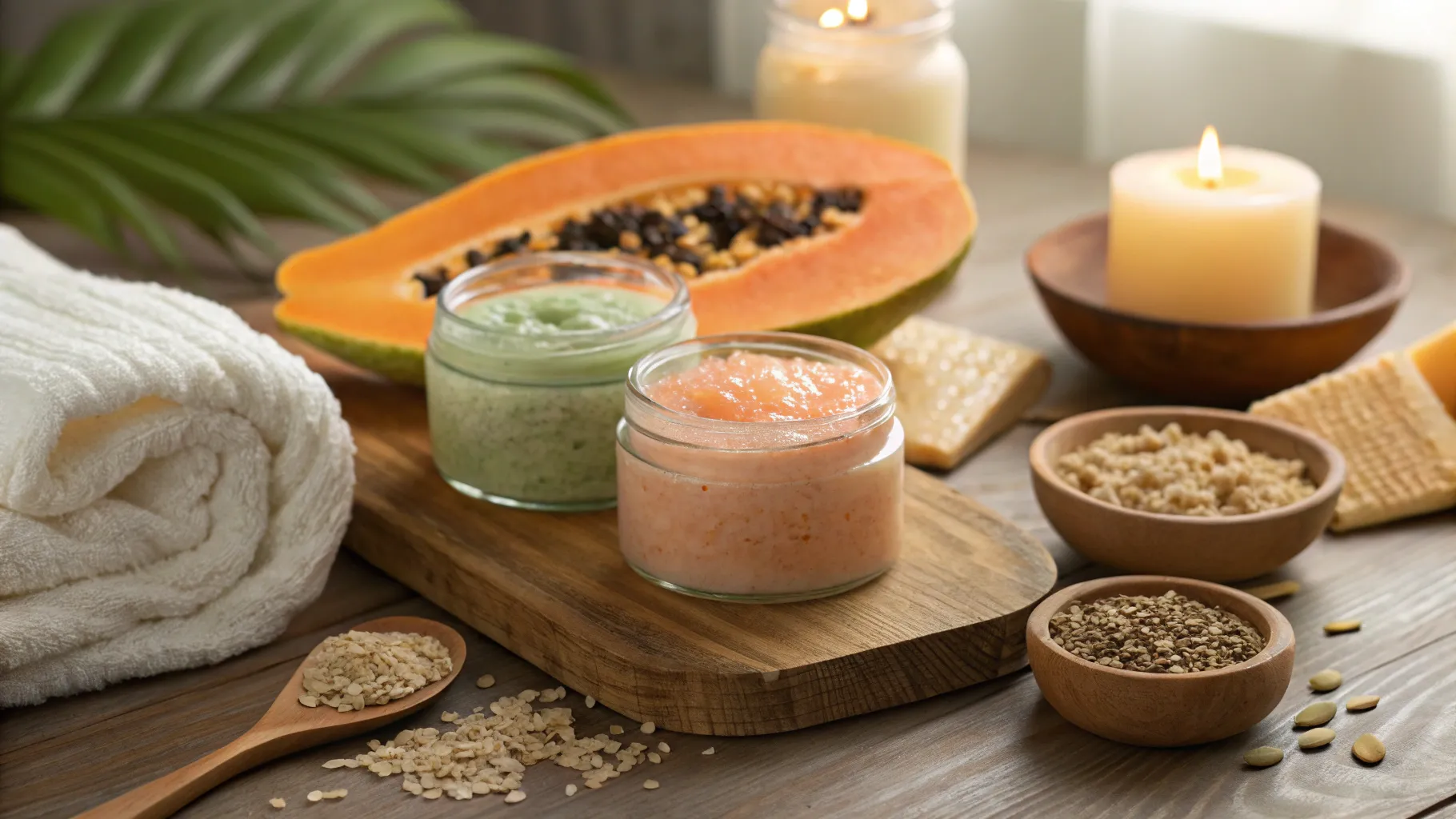
- Enzymatic Exfoliation: This approach incorporates natural fruit enzymes, such as those found in papaya or pineapple, to gently dissolve dead skin cells. Enzymatic products are exceptionally useful for those with sensitive skin types and are readily available in many skincare masks and serums.
Selecting the appropriate exfoliation method largely depends on your skin type. If you have sensitive skin, enzymatic exfoliators are likely your best bet, while those with oily skin might find chemical exfoliants particularly effective.
Types of Exfoliators and Their Significant Benefits
When choosing an exfoliator, understanding its type and benefits is key to achieving your skincare objectives. Below are some common exfoliators and their unique advantages:
- Scrubs: These physical exfoliants provide immediate results by sloughing off dead skin. While scrubs improve skin texture and stimulate circulation, they should be used sparingly—ideally one to two times a week—to prevent over-exfoliation.
- Peels: Chemical peels can range from mild to strong formulations that exfoliate deeply. From at-home options to professional treatments, peels offer benefits across skin types, enhancing radiance and diminishing signs of aging.
- Exfoliating Pads: For those with busy lifestyles, pre-soaked pads infused with AHAs or BHAs offer an easy way to maintain a consistent exfoliation routine on the go. They combine convenience with efficiency, keeping your skin glowing.
Research indicates that a balanced regime incorporating both physical and chemical exfoliation yields optimal results for healthy skin. Many dermatologists recommend sticking to a 2-3 times per week exfoliation routine to maintain fresh, vibrant skin.
Exfoliating Safely to Avoid Skin Damage
While exfoliation is beneficial, overdoing it can lead to problematic skin issues such as dryness, excess sensitivity, and breakouts. Here’s how to exfoliate without causing harm:
- Understand Your Skin Type: Identifying whether your skin is oily, dry, combination, or sensitive is crucial for selecting the right exfoliator. A patch test can help determine if a product suits you.
- Limit Your Frequency: Aim to exfoliate only 2-3 times a week. Over-exfoliation can strip the skin of its necessary oils, leading to more significant problems in the long run.
- Establish a Routine: Always exfoliate on clean skin, and follow up with hydrating serums or moisturizers to restore moisture after exfoliation.
Bear in mind that even the gentlest scrubs or acids could be harmful if used excessively. Listen to your skin’s cues and adjust your regimen accordingly to maintain health and vitality.
Popular Exfoliation Ingredients to Look For
In 2025, the skincare market has exploded with an array of exfoliation products featuring diverse ingredients tailored to cater to different skin types and needs. Here are some of the most recognizable ingredients:
- Salicylic Acid: This BHA penetrates oily pores effortlessly, making it perfect for acne-prone skin.
- Glycolic Acid: Recognized for its small molecular size, this AHA provides effective exfoliation for producing smoother and younger-looking skin.
- Lactic Acid: A gentler AHA that provides both exfoliation and hydration, making it highly suitable for dry skin types.
- Papain: Sourced from papaya, this natural enzyme efficiently breaks down dead skin proteins, promoting a fresher complexion.
- Jojoba Beads: These biodegradable, gentle physical exfoliants don't harm your skin or the environment, making them a popular choice.
When evaluating exfoliation products, it's crucial to scrutinize the concentration of active ingredients. Starting with lower concentrations can help gauge your skin’s tolerance and avoid potential irritation, allowing you to build a routine that works effectively for you.
As a final note, the importance of exfoliation in skincare should not be underestimated. By exploring the various methods and ingredients available today, you can discover the ideal exfoliation routine that not only enhances your skin’s appearance but also promotes its overall health. Let's embrace the journey to achieving that beautifully smooth and radiant complexion that we all desire!