Ultimate Guide to Foods to Avoid for Fatty Liver
Foods to Avoid for Fatty Liver Disease: Enhancing Liver Health in 2025
Fatty liver disease, especially non-alcoholic fatty liver disease (NAFLD), now impacts nearly one-third of the global population. Known as the silent epidemic, it often remains undetected until significant damage surfaces. Among the most effective strategies to combat this stealthy adversary is dietary management, which reduces liver fat, curtails inflammation, and supports a healthy weight. In this article, we explore key foods that contribute to liver troubles and alternatives that promote liver well-being.
Identifying Problematic Foods for Liver Health
Proper dietary choices play a vital role in alleviating liver strain. By adopting beneficial eating habits, individuals can turn the tide against NAFLD. Let's examine which foods to sideline in your diet to favor a healthier liver.
- Sugary Beverages and Snacks: These treats, rich in added sugars, are prevalent in many diets today. According to a 2025 health report, sugary drinks account for around 20% of daily caloric intake in Western diets, posing a significant hazard to liver health by contributing to insulin resistance and increased fat accumulation.
- Alcohol: While most people associate alcohol solely with alcoholic liver disease, even moderate alcohol consumption can exacerbate NAFLD. Studies indicate that complete abstinence offers the best protection for those with fatty liver disease.
- Fried Foods: Fried snacks, often cooked in oils laden with trans fats, exacerbate liver inflammation. Meals like French fries or fried chicken can lead to an increase in liver fat deposition, requiring the liver to work harder to detoxify the body.
- Processed Meats: Options such as sausages and cold cuts are high in saturated fats and preservatives. These meats demand more detoxification from the liver, resulting in heightened vulnerability to inflammation and further fat buildup.
- Refined Carbohydrates: Processes like refining strip essential nutrients, converting foods such as white bread and pastries into sugar-laden options that increase fat formation in the liver. An emphasis on whole grains is paramount to reducing liver risks.
- Full-Fat Dairy Products: Although delicious, these products, high in saturated fats, pose potential risks by burdening the liver, ultimately worsening NAFLD symptoms. Choosing low-fat or plant-based alternatives can significantly ease the liver’s workload.
Embracing Liver-Friendly Foods
While it's crucial to avoid certain foods to manage fatty liver disease, incorporating beneficial items into your diet can significantly bolster liver health. Here's how you can nurture your liver with nourishing choices.
- High-Fiber Options: Fiber-rich foods like legumes, oats, and various fruits offer outstanding support to liver function. Recent studies associate increased fiber intake with reduced liver fat and better metabolic health, particularly in populations experiencing rising obesity rates.
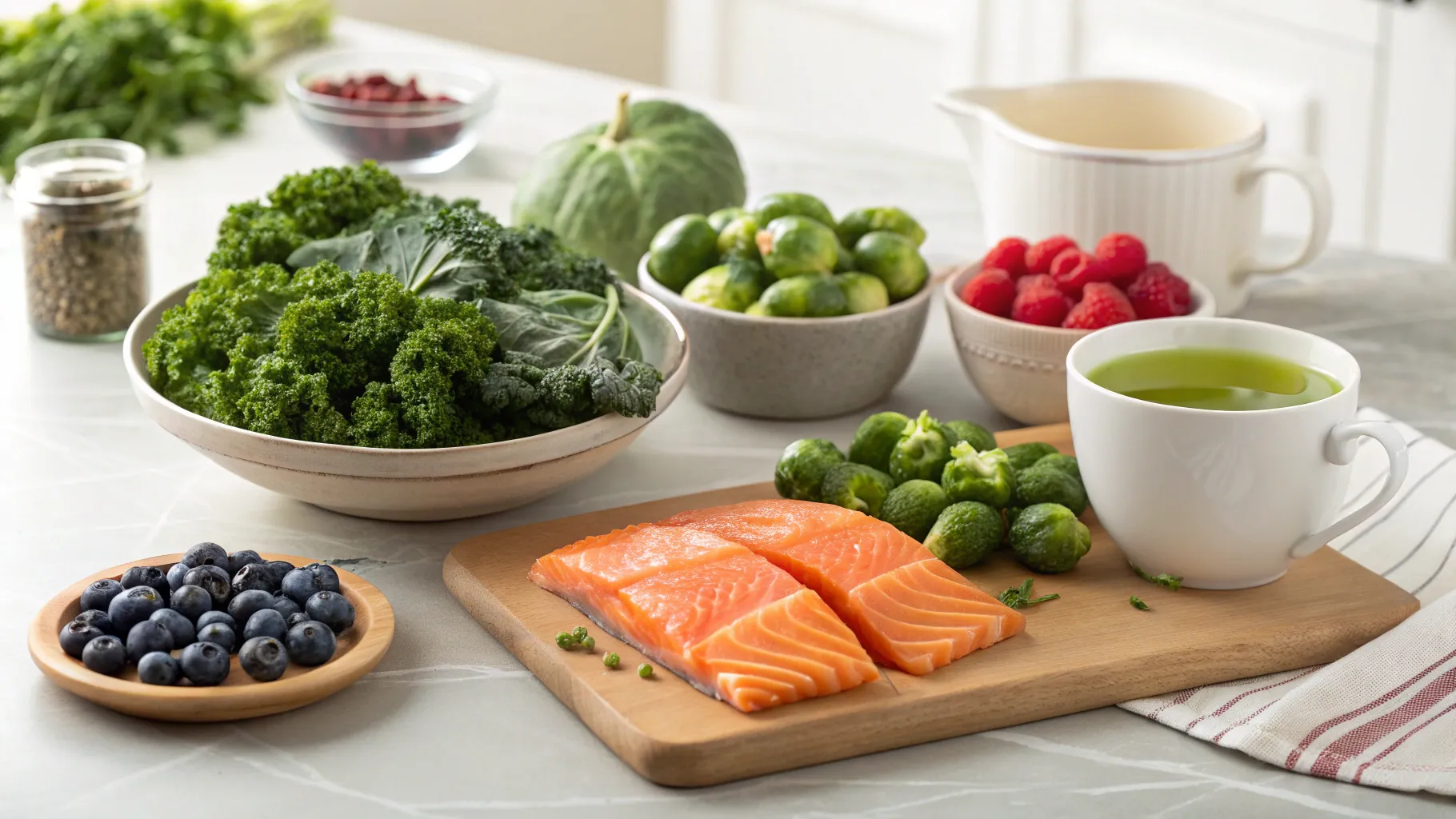
- Healthy Fats: Omega-3 fatty acids, prevalent in fish like salmon and sardines, exhibit extraordinary anti-inflammatory effects. Including these in your diet promotes lower liver fat percentages and increased overall well-being.
- Lean Proteins: Opt for skinless poultry, fish, or plant-based proteins like tofu over fatty meats. These proteins place minimal strain on the liver while providing essential amino acids crucial for repairing liver tissue.
- Green Tea: Packed with antioxidants, green tea consumption is linked to improved liver health. Its regular inclusion in diets aids in detoxifying processes, safeguarding the liver against oxidative stress.
- Cruciferous Vegetables: Vegetables like kale, broccoli, and Brussels sprouts contain vital nutrients that support the liver’s detoxification pathways. Studies show their consistent consumption correlates with lowered liver damage markers.
In recent nutritional studies, cultural dietary patterns such as the Okinawan diet—rich in fish, soy, and vegetables—align with lower occurrences of liver disease, illustrating the potential impact of traditional dietary customs on liver health.
Creating a Personalized Liver-Friendly Plan
One size doesn't fit all, especially when it comes to transitioning to a liver-friendly diet. Here’s how to tailor a diet that accommodates your unique needs:
- Consulting Professionals: Engage with nutritionists to develop a personalized diet tailored to your health profile and preferences. Such experts can offer insights into suitable foods to integrate into daily meals.
- Maintaining Regular Meal Patterns: Establish consistent eating schedules to stabilize blood sugar levels and optimize liver function. Balanced meals distributed throughout the day can mitigate liver stress and support metabolic health.
- Ensuring Hydration: Opt for sufficient fluid intake, aiming for about eight glasses of water each day. Staying well-hydrated assists the liver in its detoxification tasks and promotes cellular health.
As we navigate 2025, incorporating technological advancements like nutrition-tracking applications can be pivotal in managing dietary habits, with support networks and telehealth enhancing dietary adherence. A proactive approach in selecting liver-friendly foods fosters a healthier liver, paving the way for a more vibrant future.