Learn About The Top 10 Hidden Triggers of Back Pain Today
Discover the Hidden Triggers Behind Back Pain
In the current landscape, back pain has become an all-too-common issue, affecting millions of adults around the globe each year. Interestingly, many people aren't aware of the myriad hidden triggers that can exacerbate or lead to this debilitating condition. In 2025, understanding these factors is more critical than ever to effectively manage and prevent chronic back pain. Let’s delve into the top ten hidden triggers that may be affecting your back health.
1. Poor Posture
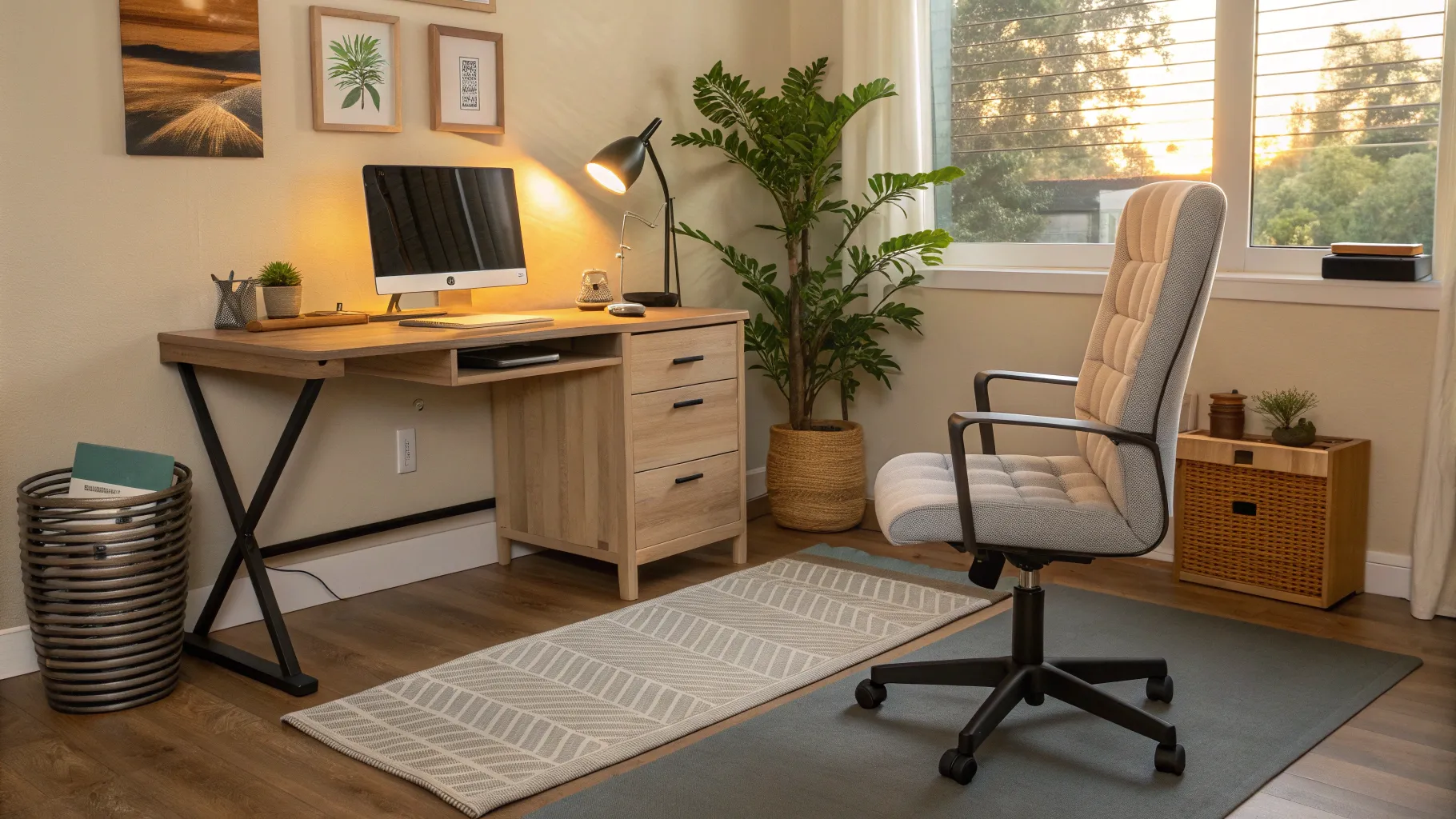
One of the leading culprits of back pain is poor posture. With the rise of remote work leading many to spend countless hours hunched over computers, maintaining correct posture is often neglected. Recent statistics show that about 80% of adults experience back pain at some point, with a significant portion attributing their discomfort to slouching or hunching. To combat this, remind yourself to keep your back straight and shoulders relaxed while sitting or standing. Small adjustments like ergonomic chairs or standing desks can make a big difference.
2. Sedentary Lifestyle
A sedentary lifestyle is not just a modern trend; it's also a significant hidden trigger for back pain. In 2025, studies reveal that over 50% of adults in developed nations do not meet the recommended physical activity levels. Insufficient movement can lead to weakened muscles that support the spine, increasing the risk for pain. To counter this, aim to integrate regular physical activity into your day. Simple acts like walking, swimming, or practicing yoga can build core strength and provide crucial support to your back.
3. Improper Lifting Techniques
Many individuals underestimate the importance of using proper lifting techniques, which directly ties into back pain incidence. Lifting heavy objects incorrectly can place immense strain on your back. According to recent findings, approximately 15% of back injuries stem from improper lifting practices. Always remember to bend your knees, keep your back straight, and lift with your legs instead. This may seem basic, but mastering this technique can prevent injury and support your back.
4. Stress and Mental Health
Surprisingly, emotional stress is a significant hidden trigger that can physically manifest as back pain. In moments of heightened stress, the body naturally tenses up, leading to tightness and strain in muscles. 2025 research indicates a strong connection between anxiety and depression with chronic pain conditions, suggesting that to manage back pain, addressing mental health is equally vital as focusing on physical health.
5. The Importance of Mattress Quality
Investing in a quality mattress is often overlooked, yet it can have profound implications for your spinal health. A mattress that lacks proper support can lead to discomfort during sleep, exacerbating chronic back pain. Data from 2025 show that 60% of people report improved sleep quality and decreased back pain after opting for a more supportive mattress. Most experts recommend a medium-firm mattress to ensure optimal support for your spine.
6. Environmental Factors
Your environment significantly impacts your spinal health. Working at desks that are poorly adjusted for your height can lead to poor posture, contributing to back pain. Furthermore, daily chores like vacuuming or doing the garden can cause strain if done repeatedly without breaks. Make it a priority to evaluate your workspace and living conditions—simple adjustments can provide better support for your back.
7. Lack of Stretching or Flexibility
Over time, muscles can become tight, especially if you lead a lifestyle that lacks movement. This tightness can contribute to back pain, as flexibility is essential for a healthy spine. Incorporating stretching into your daily routine can enhance flexibility and relieve muscle tension. Recent surveys indicate that individuals practicing regular stretching report a 40% reduction in back pain symptoms, highlighting the benefits of this simple yet effective practice.
8. Footwear Choices
Believe it or not, the shoes you wear can directly affect your back health. Wearing high heels or shoes without proper arch support can lead to misalignment and increased strain on your back. In a notable 2025 survey, participants reported significant relief from back pain after switching to supportive footwear, underlining the importance of choosing the right shoes for daily activities.
9. Weight Management
Your body weight plays a substantial role in your back health. Each extra pound adds pressure to your spine, leading to discomfort. Currently, studies show that maintaining a healthy weight can reduce back pain by up to 30%. By focusing on a balanced diet and being physically active, you can achieve and maintain a healthy weight, which can greatly benefit your spine.
10. Sleep Position
Your sleep position also holds considerable sway over the health of your back. Sleeping on your stomach can create neck and back strain due to improper alignment. For optimal back health, consider sleeping on your back or side, and invest in supportive pillows to aid in maintaining proper alignment throughout the night. Recent findings reveal that adjusting sleep positions leads to a 20% decrease in daily back pain.
As you can see, back pain often arises from a combination of these hidden triggers, making awareness essential. By recognizing the factors that contribute to your discomfort—such as posture, lifting techniques, and lifestyle choices—you can proactively mitigate pain. Implementing strategies like improving your posture, adopting correct lifting methods, engaging in regular physical activities, and effectively managing stress are critical. Furthermore, making small lifestyle and environmental changes, such as upgrading your mattress or footwear, can significantly improve your overall spinal health. Remember, sometimes it's the little changes that lead to the most impactful results!