Learn About Vitamins for Better Bladder Control
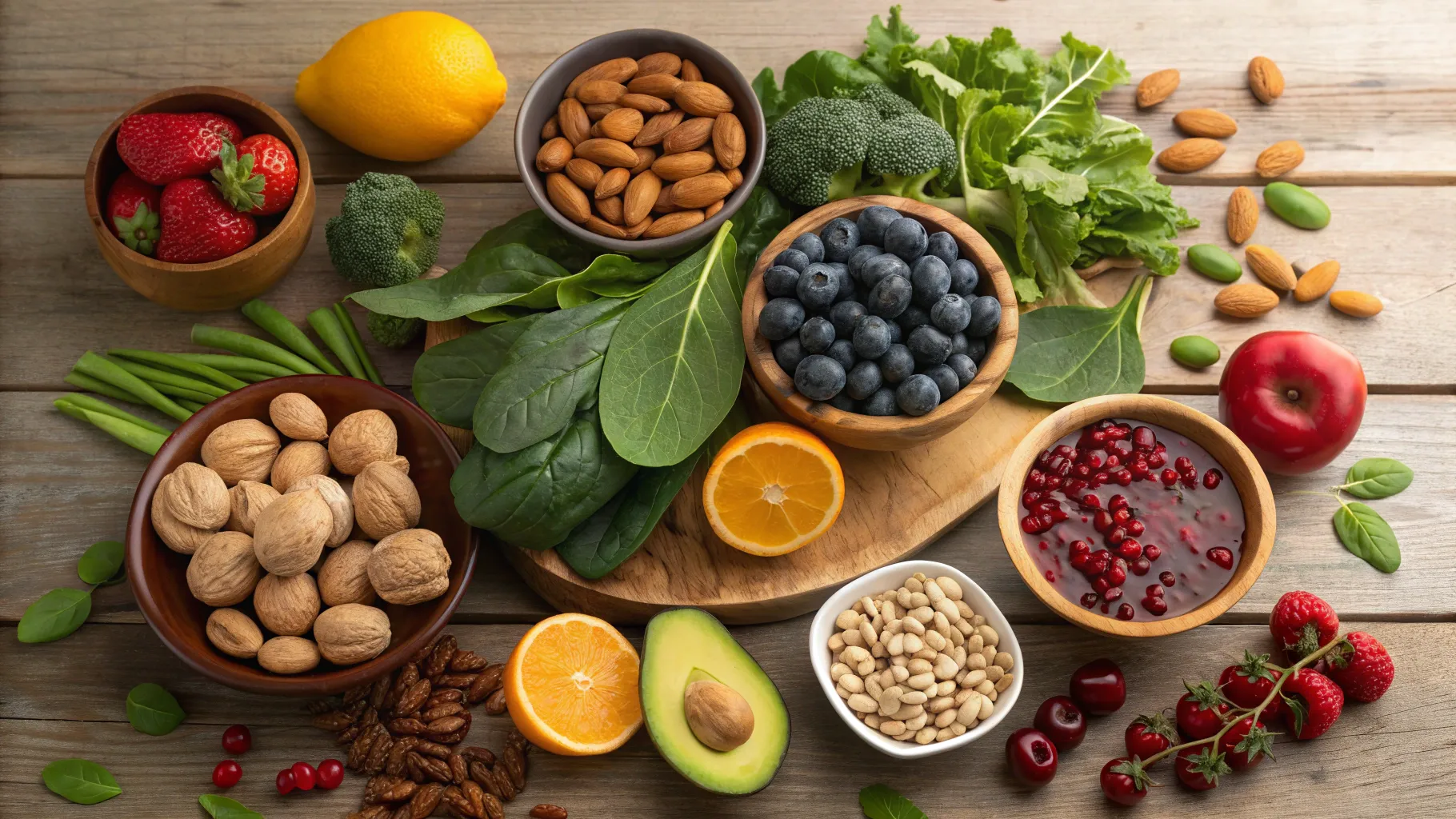
Understanding Bladder Control Vitamins and Nutrients
In the quest for better bladder control, many individuals turn to vitamins and natural supplements. Bladder control is crucial not just for comfort but for overall health and quality of life. With around 1 in 5 adults suffering from some form of bladder issue, understanding the role of nutrition can empower people to manage their symptoms effectively. As of 2025, research highlights numerous vitamins and nutrients that support urinary and bladder health.
How Nutrition Affects Bladder Control
Diet plays a pivotal role in bladder function. What we eat can either support bladder health or exacerbate issues such as incontinence or urgency. For example, caffeine and alcohol are known irritants that can increase the frequency of urination. On the other hand, certain vitamins and minerals can contribute positively to bladder health.
- Vitamin D: Studies show that Vitamin D deficiency may be linked to urinary incontinence. Ensuring adequate levels through sunlight exposure or supplements can help in managing symptoms.
- Vitamin B6: This vitamin helps in nerve function, and some studies suggest that adequate levels may reduce bladder overactivity.
- Magnesium: Low magnesium levels have been associated with bladder dysfunction. Foods rich in this mineral, such as leafy greens and nuts, should be included in the diet for better bladder control.
Vitamins That Support Urinary and Bladder Health
In addition to the aforementioned vitamins, several other nutrients play an essential role in promoting urinary balance. The right combination can help mitigate bladder-related issues.
- Zinc: This mineral is crucial for immune functioning and plays a role in muscle function, including the pelvic floor muscles, which support bladder control.
- Probiotics: Beneficial bacteria can enhance gut health, indirectly influencing bladder function. As emerging research suggests, a balanced gut microbiome may correlate with better urinary health.
- Omega-3 Fatty Acids: Found in fish oil and flaxseeds, these acids have anti-inflammatory properties that may assist in reducing bladder irritation.
The integration of these vitamins into daily meals can be beneficial. A balanced diet that includes fish, nuts, whole grains, and plenty of fruits and vegetables can provide essential nutrients for not just bladder health but overall wellness.
Top Foods That Promote Urinary Balance
What we consume plays a vital role in how well our bladder functions. Incorporating a variety of foods into your diet can provide the necessary vitamins and minerals to promote urinary health.
- Blueberries: Rich in antioxidants, these berries might help maintain bladder health by reducing inflammation.
- Pumpkin Seeds: Packed with zinc and magnesium, they contribute to muscle health and can help support bladder function.
- Green Tea: As a natural diuretic, green tea can aid in flushing out the urinary tract, promoting better health.
- Cranberries: Commonly known for their role in preventing UTIs, cranberries can also promote overall urinary health.
Information on Supplements for Bladder Wellness
With the growing interest in bladder health, numerous supplements have entered the market, each claiming benefits for urinary health. Among the most popular are:
- Pumpkin Seed Extract: Known to support prostate health, especially in men, it may also help manage symptoms of overactive bladder.
- Urinary Tract Support Formulas: These often contain a mix of cranberry extract, probiotics, and herbs designed to promote urinary tract health.
- Herbal Remedies: Herbal supplements like saw palmetto and horsetail are becoming popular for their potential benefits in managing urinary issues.
However, before starting any supplementation, it's vital to consult with a healthcare provider. Not every supplement is suitable for everyone, and interactions with other medications need to be considered.
Real-World Examples of Nutritional Impacts on Bladder Control
A recent study published in a leading medical journal indicated that individuals who followed a diet high in fiber had a 20% lower risk of experiencing urinary incontinence. This reinforces the idea that a balanced diet can significantly influence bladder control. Another case study of a 60-year-old woman illustrated how incorporating foods rich in magnesium and potassium, alongside hydration, reduced her urinary urgency symptoms considerably.
In 2025, more health professionals are recognizing the importance of a holistic approach to bladder wellness, stressing how critical it is to combine dietary strategies with medical advice. Individual experiences can vary, and what works for one person may not work for another.
Finding the Right Balance
Creating a meal plan focused on bladder health doesn't have to be complicated. Understanding the foods and vitamins that support urinary balance allows individuals to make informed choices about their health. Taking the time to evaluate dietary habits and considering adjustments can pave the way for a better quality of life. As urinary issues continue to affect many lives, a proactive approach involving nutrition is a promising avenue worth exploring.
Stay informed and empowered by keeping up with ongoing research on bladder health. Whether through a balanced diet or thoughtful supplementation, there are many ways to support urinary health effectively in 2025 and beyond.