Leaky Heart Valve Triggers Causes and Health Risks Explained
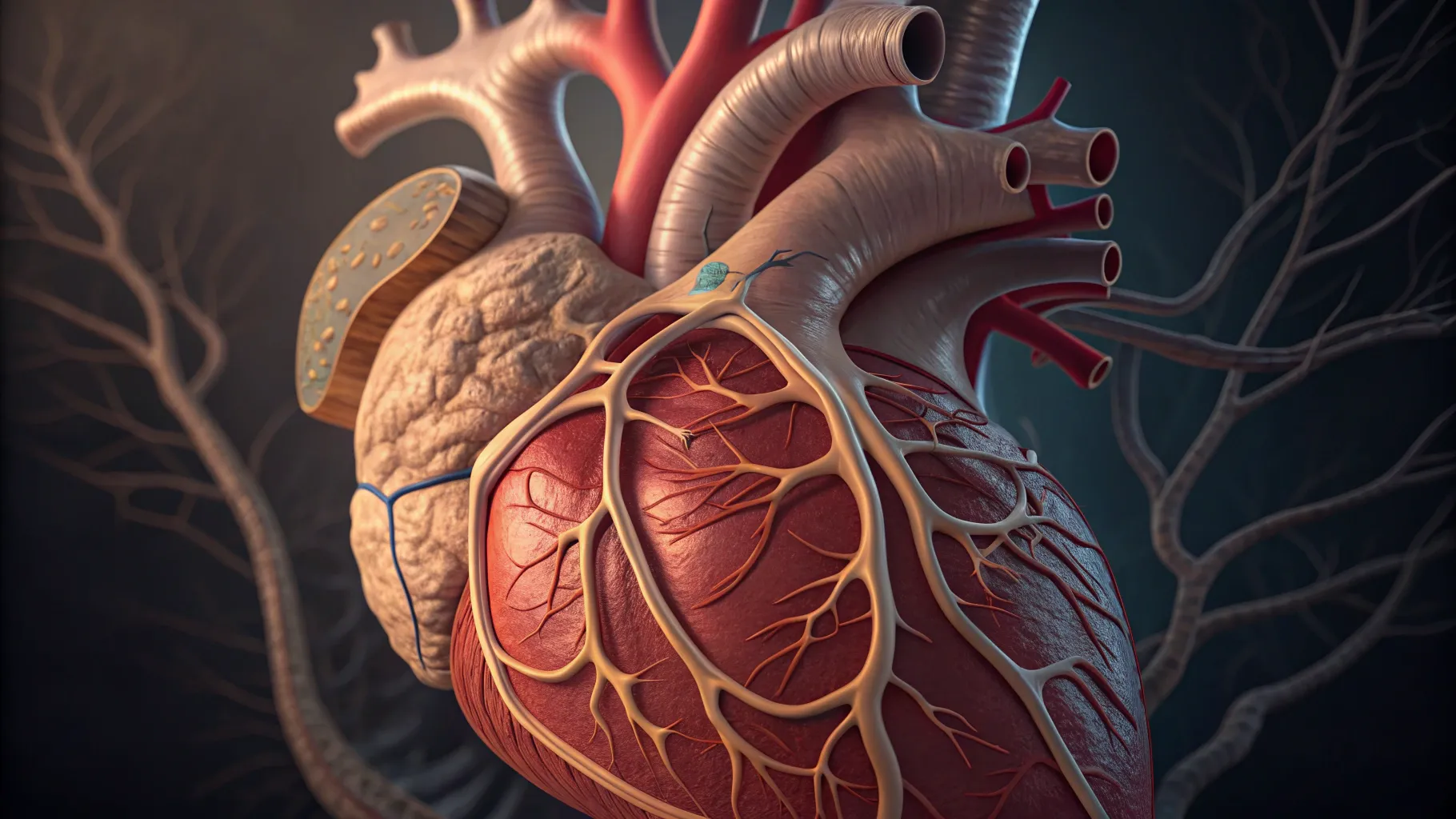
Understanding Common Leaky Heart Valve Triggers
Heart health is a growing concern for many individuals, especially as we age. One condition that can significantly impact cardiac health is a leaky heart valve, or valve regurgitation. Understanding the triggers and factors that contribute to this heart valve disorder is crucial for prevention and management. In this article, we will explore the common leaky heart valve triggers, the causes behind this disorder, and the associated health risks that come with valve regurgitation.
What is a Leaky Heart Valve?
A leaky heart valve occurs when the heart's valves, which regulate blood flow, do not close properly. This malfunction can lead to blood leaking backward in the heart, disrupting the normal flow of blood. It can affect any of the four heart valves: the mitral, aortic, tricuspid, and pulmonary valves. Over time, this condition can worsen and lead to more severe problems, such as heart failure.
Identifying Common Triggers and Causes of a Leaky Heart Valve
Several factors can trigger or exacerbate the condition of a leaky heart valve. Recognizing these can aid in early detection and management. Here are some of the most common triggers:
- Age: As individuals age, the heart's valves can become calcified and less flexible. Recent studies show that over 25% of adults 70 and older experience some form of heart valve disease, making age a significant trigger.
- Heart Disease: Pre-existing conditions such as coronary artery disease can cause or worsen valve problems. For instance, in the last year, a study found that patients with a history of heart attacks have a higher likelihood of developing valve regurgitation.
- Genetic Factors: Some individuals may inherit a predisposition to heart valve disorders. Conditions like Marfan syndrome and Ehlers-Danlos syndrome can increase the risk of developing leaky valves.
- Infections: Infective endocarditis, an infection of the heart valves, can lead to valve damage and leaks. There has been a notable increase in cases attributed to various types of bacteria and fungi over the past few months.
- High Blood Pressure: Elevated blood pressure places additional strain on heart valves, which can lead to their deterioration and eventual leakage. Currently, around 30% of adults in the United States have high blood pressure, significantly increasing the population at risk for valve issues.
- Rheumatic Fever: A complication of untreated strep throat, rheumatic fever can result in valve damage. Although more common in developing countries, such conditions still impact thousands of individuals annually.
- Chronic Lung Disease: Conditions that affect the lungs can indirectly impact heart health. The stress and strain of chronic lung diseases often lead to hypertension in the lung arteries (pulmonary hypertension), which can affect the heart valves.
The Impact of a Leaky Heart Valve on Cardiac Health
Once a leaky heart valve develops, the body may not immediately show symptoms. Early signs may include subtle fatigue and a decreased ability to exercise. However, as the condition progresses, symptoms can escalate to include:
- Shortness of breath, especially during physical activity or when lying flat
- Swelling in the ankles, feet, or abdomen
- Heart palpitations
- Chest discomfort or pain
- Fainting or feeling lightheaded
The severity of the symptoms can significantly impact a person's quality of life. Heart valve disorder factors such as a leaky heart valve can lead to serious health risks. Approximately 5 million people are currently living with heart valve disease in the United States alone, as highlighted by recent data from the American Heart Association.
One of the major risks associated with untreated valve regurgitation is heart failure, where the heart cannot effectively pump blood to meet the body's needs. When the heart struggles to manage blood flow due to the backflow from a leaky valve, it can become weak over time. This can lead to arrhythmias, blood clots, or even sudden cardiac arrest if left unaddressed.
Monitoring and Preventive Measures
For those at risk of developing a leaky heart valve, regular check-ups with a healthcare professional are essential. Cardiac imaging techniques such as echocardiograms are used to assess valve function. Blood pressure control, a balanced diet, and regular exercise can help maintain overall heart health and mitigate risks associated with valve disorders.
It's also important to manage chronic conditions effectively. For example, controlling diabetes and hypertension not only improves quality of life but can slow the progression of heart valve disease. In 2024 alone, research indicated that individuals who managed their pre-existing conditions saw a significant reduction in hospitalizations related to valve disorders.
Final Thoughts
Understanding common leaky heart valve triggers is vital for anyone looking to maintain their cardiac health. By being aware of the causes and the risks that come with valve regurgitation, individuals can take proactive steps to safeguard their heart health. Regular check-ups, lifestyle changes, and prompt treatment for any underlying conditions can go a long way in preventing the onset of leaky heart valves.
As we advance into a future prioritizing heart health, informed individuals equipped with knowledge about their cardiac health are likely to lead healthier lives. By understanding the myriad factors contributing to heart valve disorders, we pave the way for better management and prevention efforts.