Police impound pickup trucks for sale: An Analysis of Municipal Auctions and Regulatory Frameworks
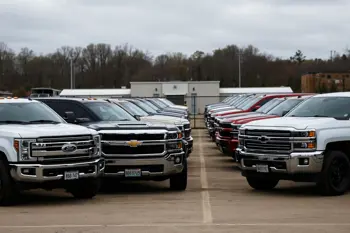
Many buyers seeking durable utility vehicles look toward municipal liquidation events, specifically monitoring police impound pickup trucks for sale to identify potential procurement opportunities. These public sales offer a diverse range of vehicles that have entered the possession of municipal and state authorities through law enforcement actions. However, navigating these auctions requires a thorough understanding of administrative procedures, vehicle history, and local legal requirements. Participating in these public sales involves significant differences compared to typical commercial dealership transactions.
Legal Origins and Seizure Frameworks of Impounded Trucks
Vehicles offered at these liquidation events are accumulated through several distinct legal channels. Local police departments and sheriff's offices secure vehicles because they have been abandoned on public property, recovered after a theft, or forfeited under civil asset forfeiture laws. For example, law enforcement agencies occasionally seize high-value commercial assets during criminal investigations, such as a nicely outfitted 2015 Ford F-350 dual-wheeled truck acquired by the Oceana County Sheriff's Office following a drug-related conviction 1.
Once these assets are legally forfeited and the title is officially transferred to the municipal department's name, they are cleared for public sale 1. In other instances, vehicles enter storage lots through standard municipal traffic impounds and remain unclaimed by their original owners. If towing and daily holding fees accrue beyond statutory limits, the municipality is legally authorized to initiate public auctions to recover operational outlays 2.
Municipal Auction Operations and Participation Rules
Municipal vehicle liquidations are heavily governed by strict operational protocols that vary by jurisdiction. Many municipal agencies manage their inventory through scheduled public bidding events, which may be conducted online or via in-person bidding formats. In Ohio, the Columbus Division of Police conducts structured vehicle auctions, liquidating hundreds of units that have been abandoned, forfeited, or involved in collisions 3. These events require all prospective bidders to be at least 18 years of age and complete mandatory registration, typically presenting valid identification prior to the auction's commencement 3.
Financial compliance is strictly enforced during these events to maintain bidding integrity. Many police tow lots require bidders to pay a mandatory deposit, such as the 300 dollar fee required in certain municipal sales, which is refunded to non-winning participants or applied to winning transactions 4. Late or partial payments are universally rejected, and failure to settle balances within specified deadlines results in vehicle forfeiture, loss of security deposits, and permanent administrative bans 5.
Evaluating Vehicle Condition and Mechanical Risks
A primary factor for buyers to consider when investigating municipal auctions is the physical state of the inventory. Vehicles sold at these events are almost universally disposed of on an as-is, where-is basis, with no warranties or guarantees regarding mechanical functionality. In many instances, buyers must bid without knowing if the engine will start or run, and the vast majority of vehicles do not include ignition keys 5. For example, in Texas, local police departments such as the Freer Police Department auction vehicles like a 2007 Chevrolet Silverado with a branded rebuilt salvage title and no keys, requiring complete transport off-site 6.
Conducting physical inspections during designated viewing windows is a critical stage of the procurement process. Municipal tow yards often provide brief preview hours, allowing potential buyers to perform visual checks of the vehicle exterior, suspension, and tires. Because diagnostic test drives are not permitted, bidders must rely on visual cues and public records. If a vehicle cannot be inspected in person, buyers are advised to bid conservatively to offset the potential cost of necessary engine, transmission, or electrical repairs.
Title Classifications and State Registration Barriers
The legal paperwork associated with acquired impounded trucks represents a significant hurdle for purchasers. The title status of these vehicles varies dramatically, ranging from clean titles to salvage, rebuilt, or parts-only designations. Texas residents purchasing municipal assets are often issued specific law enforcement sales documentation, such as Form VTR-71-1, which must be presented to local tax assessor-collectors to secure a transferable title 6. However, out-of-state buyers may face restricted eligibility and must coordinate with their home state's vehicle registration authority to determine compliance.
Before bidding, researching the history of a vehicle through the National Motor Vehicle Title Information System is critical to uncovering brand or salvage history 7. A branded title can permanently affect the vehicle's market value, resale potential, and insurability. Because municipal agencies do not resolve existing mechanical issues or title discrepancies post-sale, the complete administrative burden of title registration, smog testing, and safety inspections falls entirely on the winning bidder.
Associated Administrative Fees and Financial Outlays
Bidders must account for a series of additional fees that extend beyond the final hammer price. Most public liquidation events apply administrative surcharges, buyer's premiums, and local sales taxes to the final bid amount. For example, municipal tow lot sales often impose a ten percent buyer's premium alongside standard flat administrative fees per lot 4. Furthermore, storage regulations dictate that vehicles must be removed from the premises within a highly restricted timeframe, typically within three to five business days following the sale 3.
| Fee Category | Typical Cost Range | Application Criteria |
|---|---|---|
| Buyer's Premium | 10% to 15% of hammer price | Charged on all winning bids to cover platform operational costs |
| Administrative Fee | $25 to $50 per lot | Flat fee per vehicle for documentation and processing |
| Late Pickup Storage Fee | $25 to $30 per day | Applied daily if the vehicle is not removed by the deadline |
| Bidding Security Deposit | $300 (refundable) | Required at registration to authorize active bidding accounts |
Key Procurement Platforms and Public Liquidations
Navigating the landscape of municipal vehicle sales requires identifying the authorized channels through which agencies dispose of inventory. Primary online portals such as GovDeals act as central repositories for public entities to list municipal surplus assets, including pickup trucks 8. These sites facilitate structured, transparent bidding environments where governmental bodies, school districts, and utility fleets can list retired or seized vehicles directly to the public.
In addition to official government portals, private companies contracting with local authorities, such as Dick's Towing, manage recovered vehicles and apply strict removal regulations for unclaimed inventory 9. Government agencies regularly schedule public auctions to reclaim costs and manage space in vehicle storage lots, offering diverse vehicles that reflect local fleet compositions 2. Buyers must closely monitor these local tow operator and municipal calendars to find available auctions in their specific regions.
Sources
- Oceana County Press
- JPost
- Columbus Dispatch
- OAI Auctions
- Woolsey Auction
- Global Auction Guide
- NMVTIS
- GovDeals
- Dick's Towing