Foods to avoid for blood sugar management when trying to lose weight: A Clinical Analysis of Metabolic Impact
Identifying the precise foods to avoid for blood sugar management when trying to lose weight is a fundamental step toward restoring metabolic efficiency. Standard caloric restriction is often insufficient if the daily diet remains high in blood sugar disrupting items 1. Stabilizing blood glucose prevents the systemic energy crashes that trigger intense cravings and subsequent fat storage 2. Therefore, understanding which food categories undermine these physiological processes is critical for metabolic success.
When the human body digests carbohydrates, they break down into glucose, traveling through the bloodstream to cells to be utilized for energy 3. In an unimpaired system, the hormone insulin keeps blood glucose balanced 4. However, under conditions of insulin resistance, consuming highly glycemic foods causes significant blood sugar spikes 5. If hyperglycemia persists over long periods, it can result in long-term nerve or cardiovascular complications while simultaneously stalling weight loss efforts 2.
The Impact of Sugar-Sweetened Beverages on Insulin and Fat Storage
Sugar-sweetened beverages represent a primary dietary barrier to achieving both glycemic stability and weight loss goals 6. Drinks such as regular sodas, sweetened teas, and sports drinks deliver rapid-acting sugars into the gut with zero fiber to delay absorption 7. For example, a single 12-ounce can of regular soda contains approximately 39 grams of sugar 6. This single serving exceeds the daily recommended limit of 25 grams of added sugars for adults managing metabolic conditions, causing immediate glucose spikes 6.
The physiological impact of liquid sugar is highly detrimental because it completely bypasses the body's natural satiety mechanisms 7. A meta-analysis published in the American Journal of Clinical Nutrition demonstrated that consuming a daily 12-ounce serving of sugar-sweetened beverages leads to an additional 0.22 kilograms of weight gain over time 8. Furthermore, daily fruit juice consumption increases diabetes risk by 21 percent, lacking structural fiber to slow fructose metabolism 9.
Refined Carbohydrates as Major Weight Loss Saboteurs
Refined flour products, including white bread, bagels, and standard pasta, function metabolically almost identically to simple sugars 10. During the refining process, the grain is stripped of its outer bran and germ, removing fiber that slows digestion 11. Consequently, a single slice of white bread features a glycemic index of approximately 75, which is higher than table sugar 9. Consuming two slices raises blood glucose as much as six teaspoons of glucose, promoting fat deposition 9 12.
Similarly, white rice and refined pasta are heavily digested into glucose chains that flood the bloodstream immediately 10. A comprehensive meta-analysis published in the British Medical Journal revealed that each daily serving of white rice increases the risk of developing type 2 diabetes by 11 percent 9. For individuals trying to lose weight, these rapid spikes are followed by reactive hypoglycemia, a metabolic dip that induces fatigue and stimulates intense hunger, leading to overeating 12.
Ultra-Processed Foods and Involuntary Caloric Intake
Ultra-processed snacks, packaged crackers, and sweetened breakfast cereals are major drivers of weight gain due to their high caloric density 8. An inpatient randomized controlled trial conducted by the National Institutes of Health demonstrated the causal relationship between food processing and weight gain 8. Adults on an ultra-processed diet consumed 508 extra calories daily, gaining 0.9 kilograms in 14 days 8.
Long-term observational data supports these trial findings 8. The Mozaffarian 2011 study tracked 120,877 adults over a 20-year period to identify which foods contributed most to weight change 8. The research identified potato chips as the primary driver of weight gain, followed by french fries 8. These items contain a combination of sodium and refined carbohydrates that override natural metabolic fullness cues, complicating weight management 13.
Processed Meats, Trans Fats, and Decreased Insulin Sensitivity
While carbohydrates drive immediate glucose spikes, processed meats and trans fats damage long-term insulin sensitivity 13. Processed meats, such as bacon, salami, and hot dogs, contain high levels of sodium, chemical preservatives, and saturated fats 13. Regular consumption of these meats is linked to increased cardiovascular and diabetes risks 13. Substituting these products with fresh, lean proteins is highly recommended to preserve metabolic health 13.
Trans fats, frequently found in commercially fried fast foods and packaged snacks, present a severe metabolic threat 13. These artificial fats raise bad cholesterol while lowering good cholesterol 13. Furthermore, trans fats induce systemic inflammation and promote the accumulation of visceral fat around abdominal organs, which directly worsens insulin resistance and complicates weight loss progress 14.
Clinical Realities and Dietary Balance for Sustainable Management
For individuals addressing metabolic challenges, losing just 5 to 10 percent of total body weight can significantly improve insulin sensitivity and lower HbA1c levels 15. Achieving this does not require extreme caloric restriction, but rather a strategic focus on nutrient density 16. Combining complex carbs with proteins, fats, and fiber slows digestion, providing sustained energy throughout the day 17.
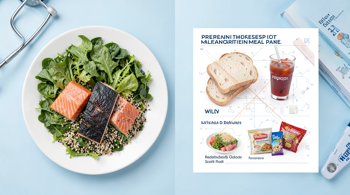
Managing dietary choices is most effective when individuals learn to substitute high-glycemic index items with blood sugar-friendly alternatives 18. This process does not mean adopting a restrictive, short-term diet, but rather establishing permanent, sustainable lifestyle habits 1. A structured model assists in visualizing these daily meal planning transitions, maintaining energy and supporting fat loss 19.
| Food Category | Avoid or Limit (High Glycemic Index) | Supportive Alternatives (Low Glycemic Index) |
|---|---|---|
| Grains | White bread, white rice, regular pasta | Whole grain sourdough, brown rice, quinoa, cauliflower rice |
| Beverages | Sugary sodas, sweet tea, commercial fruit juices | Water, sparkling water, unsweetened green tea |
| Snacks | Potato chips, crackers, sweetened breakfast cereals | Plain Greek yogurt with berries, raw nuts, seeds |
Sources
- Cleveland Clinic
- Mayo Clinic
- The Resurge Clinic
- Fitness Image
- Tambaram Medical Center
- MealFan
- Nourish
- Weight Loss Rankings
- SugarSmart AI
- AOL
- Purewell Tips
- Dietitian Seyda Ertas
- Diabetes Care Community
- Harvard Health Publishing
- DiaTribe
- MyGlu (1500-Calorie Plan)
- Mass General Brigham
- MyGlu (Low Glycemic Index)
- GoodRx