Police impound offers sedan inventory overview for North American markets 2027: Fleet Trends and Acquisition Realities
For analysts and buyers in the secondary automotive sector, finding available sedan inventory at police impound auctions has become a primary method for acquiring durable, specialized vehicles. The market landscape in 2027 shows clear trends as municipal and state fleets release legacy passenger models to the public. Navigating these specialized environments requires a clear understanding of regional trends, vehicle conditions, and the strict administrative rules governing municipal disposal channels.
The Landscape of North American Impound and Fleet Auctions in 2027
The procurement of retired public assets across North American jurisdictions is increasingly managed through digital marketplaces. Autura Marketplace, a prominent management platform, reports listing more than 77,000 unclaimed vehicles annually with a network of over 230,000 registered buyers, maintaining an 82% sell-through rate 1. This digital infrastructure allows municipal operators to systematically liquidate vehicles that have been confiscated, abandoned, or retired from public service 1.
Simultaneously, traditional physical and regional online events remain vital for localized inventory distribution. For instance, municipal sales such as the Kansas City Police Tow Lot auction present diverse inventories of passenger cars, SUVs, and utility trucks 2. Bidders participating in these auctions must comply with strict rules, including a refundable $300 registration deposit, payment via cash or wire transfer by the next day, and a standard 10% buyer's premium alongside administrative fees 2.
Shifts in Sedan Availability and the Transition to Utility Fleets
The structural composition of current impound inventories has experienced a significant shift due to manufacturer production changes over the last decade. Major domestic automakers heavily reduced or ceased production of traditional police sedans, shifting focus to utility platforms 3. Active patrol units are now dominated by larger utility platforms like the Chevrolet Tahoe Police Pursuit Vehicle, meaning retired sedan inventory consists largely of legacy models 4.
In the broader market, civilian mid-size sedans like the Nissan Altima continue to see production updates for the 2027 model year in North America, ensuring a continuous supply of modern civilian models in impound lots 56. Conversely, premium full-size luxury sedans such as the Lexus LS have ceased North American availability after 2026, shifting entirely to regional right-hand-drive markets 6. This dynamic focuses buyer attention on durable, volume-produced fleet cars 3.
Primary Sedan Models Found in Current Impound Inventories
Despite the overarching shift toward utility vehicles, several standardized sedan platforms continue to represent a substantial portion of current impound listings. The Ford Taurus Police Interceptor remains a common sight in municipal disposal yards, often featuring a 3.7-liter Flex Fuel V6 engine and all-wheel-drive capability 78.
| Vehicle Model | Engine & Drivetrain | Common Mileage Range | Fleet Application |
|---|---|---|---|
| Ford Taurus Police Interceptor | 3.7L V6 Flex Fuel AWD 7 | 80,000 to 125,000 miles 78 | General Patrol / Detective 3 |
| Chevrolet Impala Police Sedan | 3.6L V6 Front-Wheel Drive 9 | 100,000 to 155,000 miles 9 | Administrative / Transport 9 |
| Dodge Charger Police Package | 5.7L V8 All-Wheel Drive 10 | 110,000 to 140,000 miles 10 | Traffic Enforcement / Pursuit 10 |
Condition Grading and the Reality of "As-Is" Vehicle Sales
A prevalent misconception regarding impound lot auctions is that the inventory consists entirely of unsalvageable or heavily damaged passenger vehicles 11. The reality is that unclaimed vehicle auctions present diverse conditions, categorized into road-ready repossessions, repairable salvage assets, and retired government fleet units 11. While some vehicles show consistent maintenance histories, others enter the lot as abandoned civilian property, often lacking keys or functional testing 2.
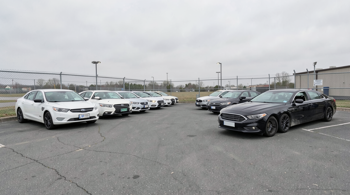
Buyers of decommissioned emergency sedans must also remain cognizant of strict legal disclaimers. Prior to public release, municipalities are required to strip emergency equipment, including specialized lighting, sirens, and communication systems 79. If any emergency gear remains installed on the vehicle, it is the sole legal responsibility of the winning bidder to decommission these systems before operating the vehicle on public streets 7.
Understanding Legal Classifications and Title Processing
The mechanism of vehicle impoundment and subsequent liquidation is strictly governed by state, provincial, and local statutes. Vehicles commonly enter impound systems due to administrative violations, such as operating with a suspended license, carrying expired registration, accumulating unpaid parking citations, or failing to maintain valid insurance coverage 5. If owner notification processes go unanswered within designated statutory timelines, the holding operator is legally permitted to conduct a lien sale to recover towing and storage costs 12.
The resulting title status of these vehicles varies based on the auction origin. In California, residents purchasing vehicles through storage lien sales are provided with specific regulatory packets to apply for California titles, though non-residents face limitations 12. In other regions, vehicles may be released with salvage certificates, bills of sale, or manufacturer's certificates of origin, depending on previous damage records and regional transfer laws 9.
Strategic Guidelines for Navigating Impound Procurement
Prospective buyers must approach impound and fleet auctions with a structured, data-driven methodology. Setting a comprehensive budget that factors in additional expenses, such as immediate towing fees, local registration taxes, and immediate mechanical repairs, is essential to avoid financial friction 1213. Utilizing historical vehicle reports, such as Experian AutoCheck, can verify past ownership records and highlight calculated accident histories, providing a clear picture of structural integrity before committing to a purchase 8.
Furthermore, buyers must closely monitor local tow yard regulations to avoid late pickup penalties, which can exceed $30 per day and rapidly diminish any expected value 2. Utilizing professional, integrated government auction directories like Copart, IAA, GovDeals, and Public Surplus can help verify listing particulars, including VIN status, odometer declarations, and title types across various North American jurisdictions 14. This structured approach ensures a transparent, compliant, and legally sound vehicle acquisition process 13.
Sources
- Autura Marketplace Press Release
- Kansas City Police Department Tow Lot Auction Database
- DAX Street News
- Police1 Fleet Management Analysis
- Vehicle Seeks Legal and Impound Resource
- Autoevolution Industry News
- City of Gloversville, New York, Public Auction Record
- Colorado Department of Revenue Auction Records
- Central Auction Group Fleet Inventory Logs
- AutosToday National Used Car Listings
- Autura Resources Expectations vs. Realities Guide
- Apple Towing Co. California Storage Lien Records
- Juraplot American Legal System Navigations
- Copart, IAA, GovDeals, and Public Surplus Integrated Portals