Understanding Knee Osteoarthritis: Causes and Treatment
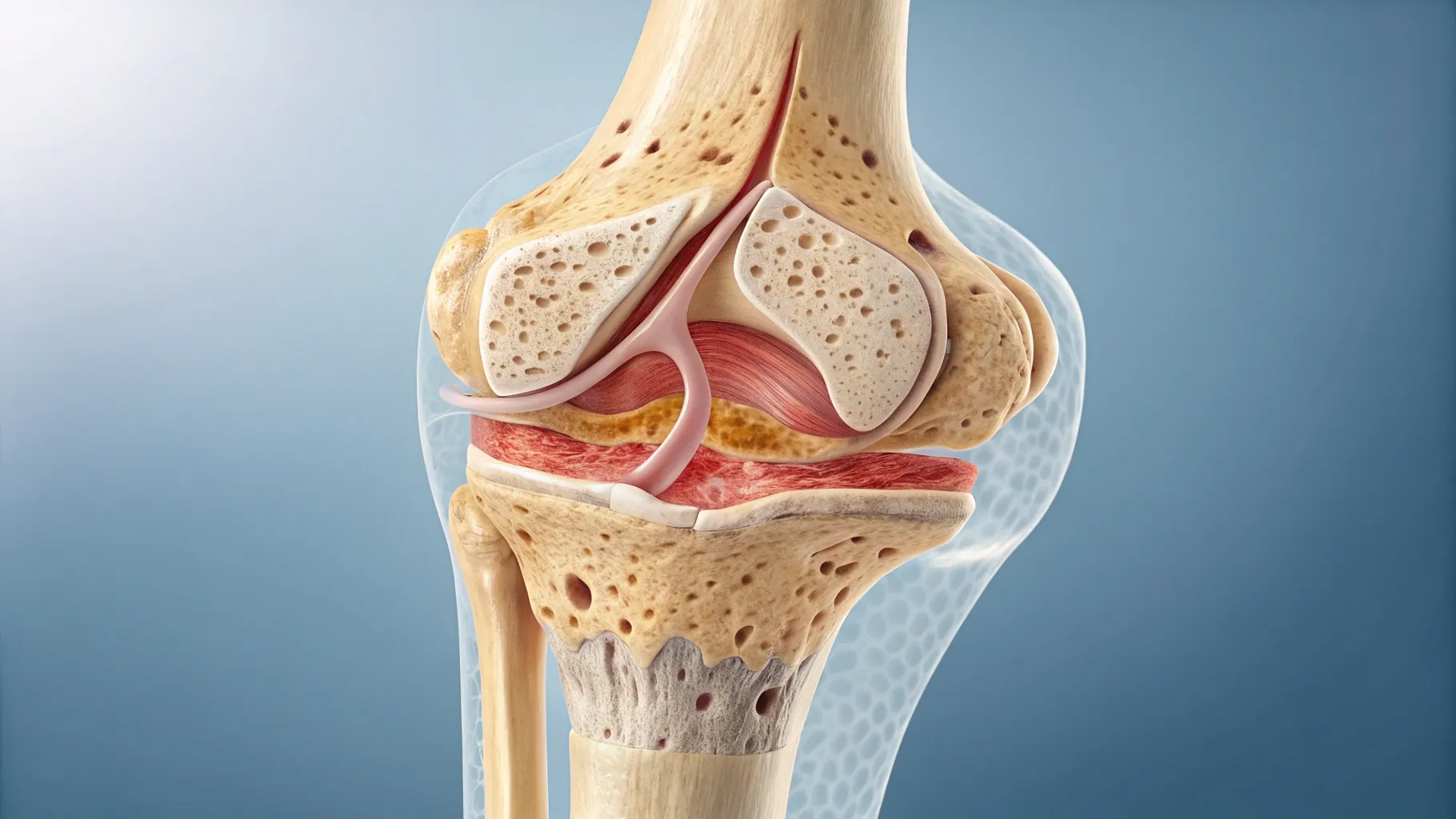
Understanding Knee Osteoarthritis in 2025
Knee osteoarthritis continues to be a major health concern for millions of individuals worldwide. This common form of arthritis occurs when the protective cartilage in the knee joints gradually wears away, resulting in pain, stiffness, and reduced mobility. As our population ages, it’s increasingly important to recognize the implications of knee osteoarthritis not just for those affected but also for society, healthcare providers, and caregivers.
Causes and Risk Factors of Knee Osteoarthritis
The causes of knee osteoarthritis are multifaceted. Age is a primary factor—especially for those over 50—but younger individuals are not exempt. Here are some key contributors to the risk of developing this degenerative disease:
- Genetics: If osteoarthritis runs in your family, your chances of developing it increase significantly. Recent research has confirmed that genetic markers can play a role in how our bodies respond to wear and tear in joints.
- Obesity: Maintaining a healthy weight is crucial since excess body weight can place additional stress on the knees, speeding up cartilage breakdown. A study published in 2025 emphasizes that losing even a small percentage of body weight can significantly reduce symptoms and improve overall joint health.
- Injuries: Previous knee injuries, such as ligament tears or fractures, can predispose individuals to osteoarthritis. The relationship between injury and subsequent development of osteoarthritis is increasingly recognized, leading to better preventive strategies.
- Overuse: Repetitive stress on the knee joints from certain jobs or sports can lead to premature wear. Activities requiring prolonged kneeling or heavy lifting are notable culprits.
As of 2025, recent studies indicate that approximately 30% of adults aged 65 and older show at least mild symptoms of knee osteoarthritis, prompting healthcare professionals to focus on early detection and preventive care.
Recognizing the Stages of Knee Osteoarthritis
Knee osteoarthritis progresses through four stages, each with distinct health implications:
- Stage 1 (Mild): Here, individuals might experience minimal cartilage wear. Symptoms are often absent or very mild, making this stage a critical time for interventions to prevent progression.
- Stage 2 (Moderate): Early signs of cartilage degradation emerge. Patients may begin to feel knee pain during physical activities. This is often the turning point where lifestyle changes can have a positive impact.
- Stage 3 (Moderately Severe): Symptoms become more pronounced. Patients typically experience significant pain, stiffness, and swelling as cartilage continues to erode. Seeking professional treatment becomes essential.
- Stage 4 (Severe): This stage is characterized by complete cartilage loss. Patients suffer debilitating pain, making daily activities extremely challenging.
In 2025, ongoing monitoring and early intervention strategies are critical. An integrated approach that includes regular check-ups and updated treatment plans can help manage symptoms across these stages.
Effective Treatment Options Available
Over the years, the treatment landscape for knee osteoarthritis has shifted dramatically, offering sufferers a range of options for managing symptoms:
- Physical Therapy: Tailored exercise programs can help strengthen the muscles around the knee, improving flexibility and reducing pain.
- Medications: Pain relief through non-steroidal anti-inflammatory drugs (NSAIDs) and acetaminophen continues to be a front-line strategy. Recent findings suggest that combining medications with lifestyle modifications enhances outcomes.
- Injections: In 2025, corticosteroid and hyaluronic acid injections remain popular for providing quick pain relief. These treatments can prolong the time before surgical options are needed.
- Surgical Interventions: For those whose conditions do not improve with conservative treatments, surgical options such as arthroscopies, osteotomies, and knee replacements are increasingly effective.
Additionally, promising advances in regenerative medicine show that treatments using platelet-rich plasma (PRP) and stem cells are on the rise. These innovative therapies aim to repair damaged cartilage and improve joint function, providing hope for arthritis sufferers looking to minimize surgical interventions.
Daily Life with Knee Osteoarthritis
For those living with knee osteoarthritis, daily management is key to maintaining a good quality of life. Here are practical tips to consider:
- Weight Management: Keeping your weight in check can significantly alleviate stress on the knee joints. A reduction in weight can slow down the progression of osteoarthritis.
- Balanced Nutrition: Incorporating anti-inflammatory foods into your diet—think fatty fish rich in omega-3s, nuts, and plenty of fruits and vegetables—can help reduce inflammation and promote overall health.
- Low-Impact Exercise: Activities like swimming, cycling, and yoga are gentle on the joints while helping build strength and flexibility essential for joint support.
- Pain Management Techniques: Exploring non-traditional treatments such as acupuncture or mindfulness can provide effective relief from chronic pain.
As awareness grows, the role of physical and mental well-being in managing osteoarthritis cannot be overlooked. Studies reveal that about 55% of individuals diagnosed report experiencing significant emotional distress due to the limitations imposed by joint pain. This contributes to a comprehensive understanding of joint health and emphasizes the demand for social support.
The Wider Impact of Knee Osteoarthritis
Understanding knee osteoarthritis goes beyond treating the symptoms; it highlights the broader social implications. The cost of managing this chronic condition can be steep. Recent estimates suggest that average annual costs per patient exceed $3,000, factoring in direct medical expenses, lost productivity, and necessary lifestyle adjustments.
For healthcare systems worldwide, the increasing prevalence of knee osteoarthritis underscores a pressing need for preventive measures and effective management strategies. This includes enhancing patient education, improving access to healthcare resources, and investing in new research to shed light on the condition’s complexities and potential breakthroughs in treatment.
As we navigate the landscape in 2025, it’s evident that a collaborative approach involving patients, healthcare providers, and researchers is essential for combating the far-reaching effects of knee osteoarthritis. While challenges remain, continuous research and emerging therapies offer hope for improved management of this debilitating joint condition.