Key Warning Signs of Liver Disease You Shouldn't Ignore
Your liver is one of the hardest-working organs in your body, performing hundreds of essential tasks from filtering toxins to aiding digestion and regulating blood sugar. Because the liver is so resilient, it can continue to function even when partially damaged. This resilience, however, means that the symptoms of liver disease may not become apparent until the condition is more advanced. Recognizing the early and subtle signs is therefore incredibly important for seeking timely medical advice.
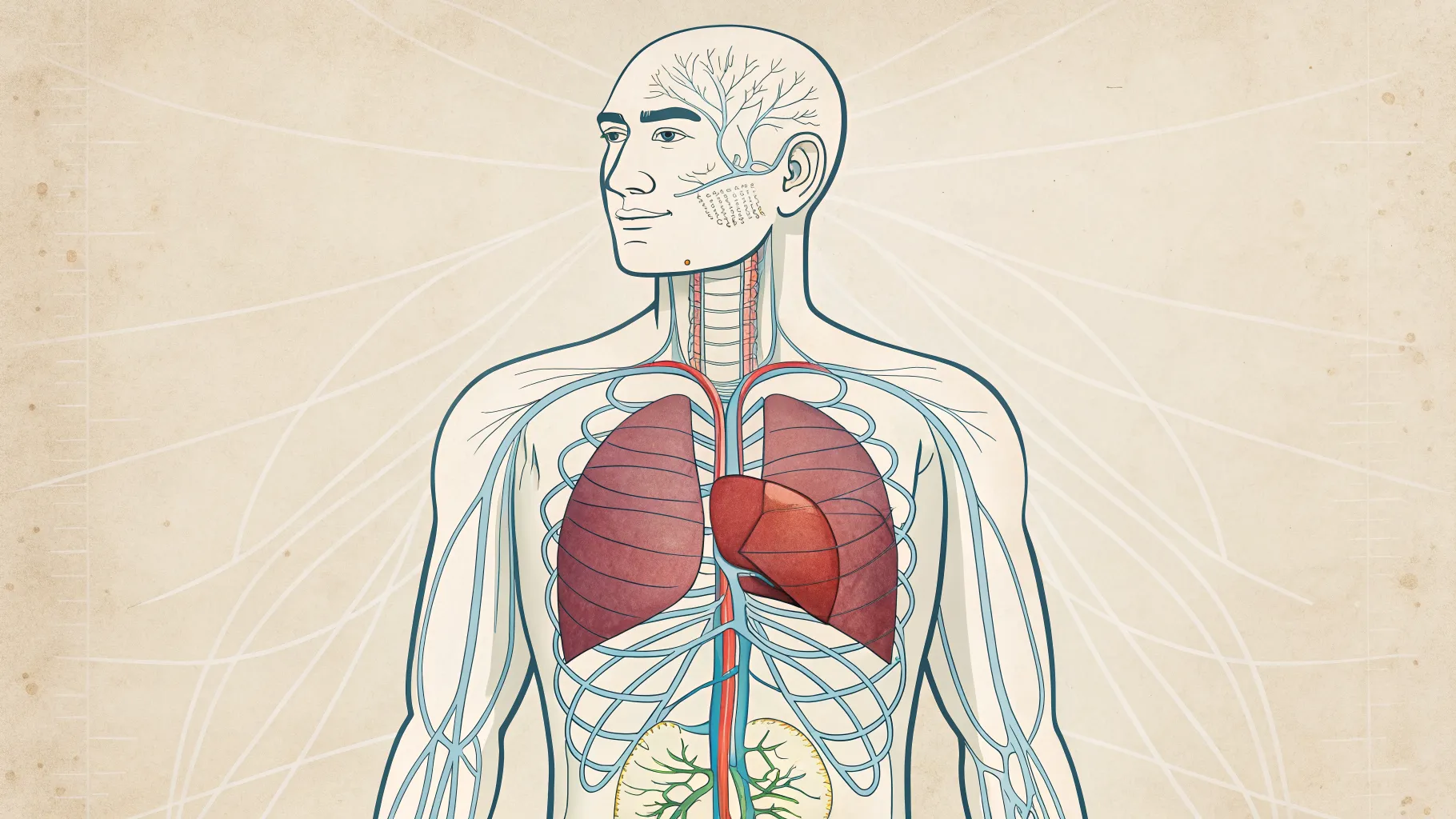
Skin and Eye Changes
One of the most well-known signs of liver problems is jaundice, a condition that causes your skin and the whites of your eyes to turn yellow. This occurs when the liver is unable to properly process bilirubin, a yellow pigment formed from the breakdown of red blood cells. When bilirubin builds up in the bloodstream, it leads to this characteristic yellow discoloration.
Beyond jaundice, other skin-related issues can also signal liver distress. You might experience persistent itching (pruritus) without any visible rash. This itching can be widespread and severe, often worsening at night. Other potential signs include the appearance of spider angiomas, which are small, spider-like blood vessels visible under the skin, or reddened palms (palmar erythema).
Abdominal Swelling and Pain
Discomfort in the abdomen can be a significant indicator of liver disease. Many people experience pain or a feeling of fullness in the upper right quadrant of their abdomen, right below the rib cage, which is where the liver is located. This can range from a dull ache to a more severe pain and may be a sign of inflammation or enlargement of the liver.
A more dramatic symptom is ascites, which is the accumulation of fluid in the abdominal cavity. This can cause the abdomen to become visibly distended and swollen. Ascites develops when liver damage leads to increased pressure in the veins that run through the liver and a decrease in the production of albumin, a protein that helps keep fluid in the bloodstream. Swelling in the legs and ankles (edema) can also occur for similar reasons.
Changes in Urine and Stool Color
Paying attention to the color of your urine and stool can provide important clues about your liver's health. Urine that is consistently dark brown or amber-colored, despite adequate hydration, can be a sign that excess bilirubin is being excreted through the kidneys because the liver cannot process it correctly. This is often one of the earlier signs of jaundice.
Conversely, the color of your stool may become very pale, like clay or putty. Stool gets its normal brown color from bile salts, which are produced by the liver. If the liver is not producing enough bile or if the flow of bile is blocked, the stool will lack this pigment and appear unusually light in color. Stools may also appear greasy or tarry.
Chronic Fatigue and Weakness
Feeling unusually tired all the time is a common but non-specific symptom associated with many health conditions, including liver disease. The fatigue associated with liver problems is often profound and not relieved by rest or sleep. While the exact cause is complex, it is thought to be related to the liver's central role in energy metabolism and the buildup of toxins in the blood when the liver isn't functioning properly.
This persistent sense of weakness and lethargy can significantly impact your quality of life. If you are experiencing ongoing fatigue that cannot be explained by other factors like lack of sleep, stress, or other illnesses, it is worth discussing with a healthcare professional to explore potential underlying causes, including liver function.
Nausea and Loss of Appetite
Digestive issues are frequently linked to liver dysfunction. Persistent feelings of nausea, vomiting, and a general loss of appetite are common complaints. When the liver is impaired, its ability to process nutrients and filter toxins is compromised. This can lead to a buildup of waste products in the body, which can trigger feelings of sickness and reduce your desire to eat.
Over time, this loss of appetite can lead to unintended weight loss and malnutrition, further contributing to feelings of weakness and fatigue. If you find yourself consistently feeling queasy or have no interest in food for an extended period, it may be a sign that something is amiss with your digestive system, with the liver being a potential source of the problem.
Bruising and Bleeding Easily
If you notice that you are bruising more easily than usual or that cuts take a long time to stop bleeding, it could be related to your liver. The liver is responsible for producing proteins called clotting factors, which are essential for blood coagulation. When liver function is impaired, it may not produce enough of these factors, leading to a tendency to bleed and bruise easily.
You might notice frequent nosebleeds, bleeding gums, or the appearance of large bruises from minor bumps. This symptom highlights the liver's critical role in processes that extend far beyond detoxification and digestion. Any significant changes in your body's ability to heal or control bleeding warrant medical evaluation.
When to Consult a Healthcare Professional
It is important to remember that many of these symptoms can be caused by a wide range of other health issues. However, if you experience several of these signs together, or if any of them are persistent or severe, it is crucial to seek medical advice. A healthcare provider can perform a physical examination and order tests to assess your liver function.
Common diagnostic tools include:
- Blood tests: Liver function tests measure the levels of certain enzymes and proteins in your blood, which can indicate liver damage or inflammation.
- Imaging tests: Ultrasounds, CT scans, and MRIs can create images of your liver to check for tumors, scarring (cirrhosis), or other abnormalities.
- Biopsy: In some cases, a small sample of liver tissue may be removed for laboratory analysis to determine the extent and type of liver damage.
Early diagnosis and management are key to preventing further damage and treating the underlying cause of liver disease. Do not ignore persistent symptoms; consulting a professional is the first step toward understanding your health and getting the appropriate care.