Don't Ignore These Key Warning Signs of Colon Cancer
Fast Facts:
- Early Detection: Knowing the signs saves lives through timely diagnosis.
- Screening is now recommended for adults over 45.
Key Information & Options
Recognizing the potential **colon cancer symptoms** is the first and most critical step toward early diagnosis and successful treatment. While some signs can be subtle or mistaken for other less serious conditions, being aware of persistent changes in your body is vital for your long-term health. This guide will walk you through the key indicators, what they mean, and when you should consult a healthcare professional.
Key Benefits of Early Awareness
- Improved Treatment Outcomes: Catching cancer early significantly increases the chances of successful and less invasive treatment.
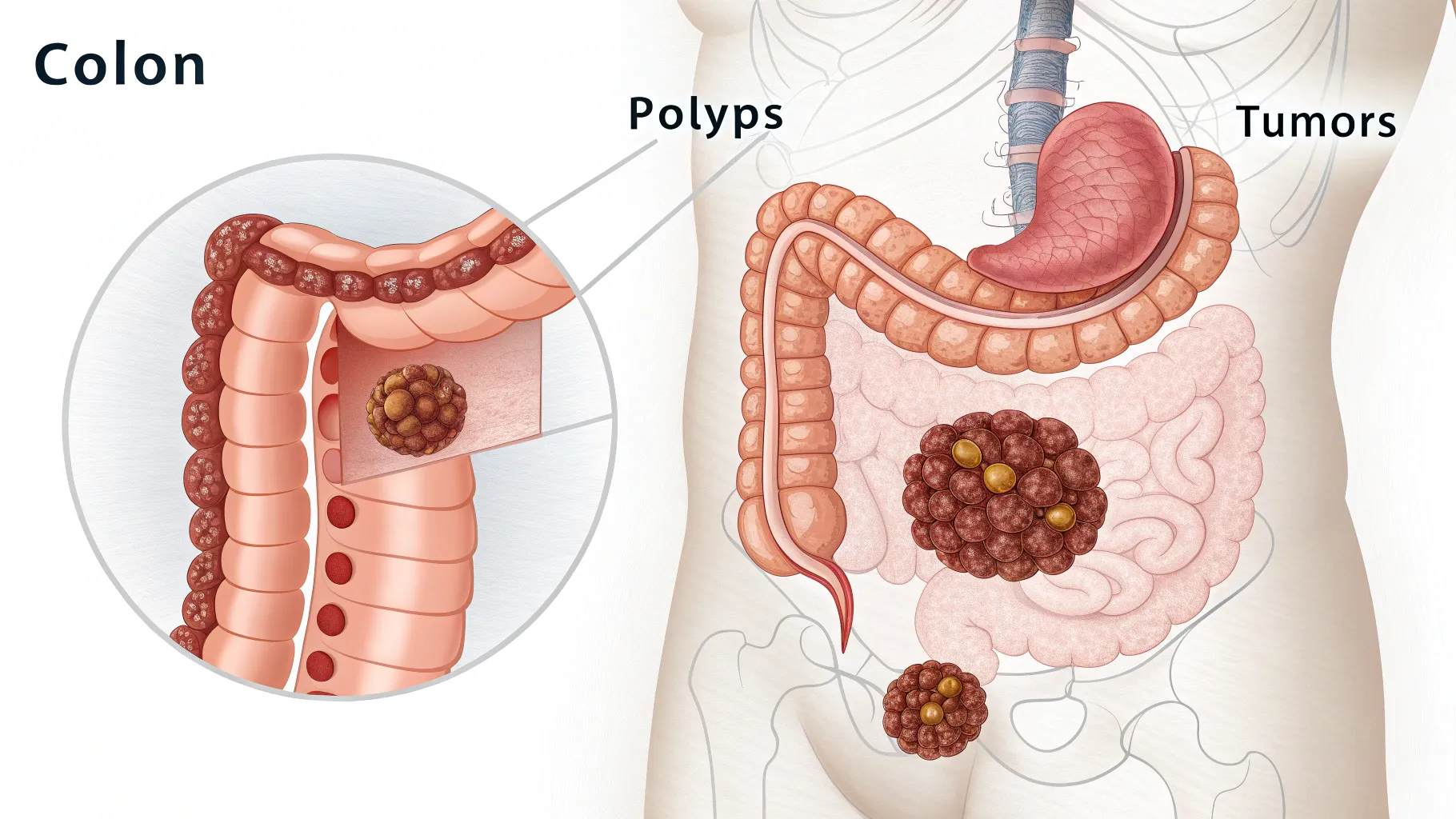
- Prevention Through Screening: Identifying and removing precancerous polyps during a colonoscopy can prevent cancer from developing.
- Empowerment: Understanding the **early colon cancer signs** allows you to take proactive steps for your health and seek timely medical advice.
- Higher Survival Rates: The 5-year survival rate for localized colon cancer is about 90%, highlighting the importance of early detection.
It is crucial to distinguish between temporary digestive issues and persistent **colon cancer warning signs**. For example, a common stomach virus might cause discomfort for a day or two, but persistent abdominal cramps, gas, or pain that lasts for weeks should be evaluated. Similarly, while hemorrhoids can cause rectal bleeding, you should never assume this is the cause without a proper medical diagnosis, as it is also a primary sign of colorectal cancer.
Essential Checklist: When to See a Doctor
- A persistent change in your bowel habits, including diarrhea, constipation, or a change in stool consistency that lasts longer than a few weeks.
- Rectal bleeding or blood in your stool.
- Ongoing abdominal discomfort, such as cramps, gas, or pain.
- A feeling that your bowel doesn't empty completely.
- Unexplained and unintentional weight loss.
- Constant weakness or fatigue that is not relieved by rest.
Frequently Asked Questions
What are the very first bowel cancer signs?
Some of the earliest **bowel cancer signs** can be very subtle, such as a persistent change in bowel frequency or stool shape (e.g., narrow stools). Unexplained abdominal pain and trace amounts of blood in the stool are also critical early indicators that require immediate investigation.
Can you have colon cancer and no symptoms?
Yes, absolutely. In its initial stages, colon cancer may not produce any noticeable symptoms. This is precisely why regular screenings, like colonoscopies, are vital for at-risk individuals. Screenings can detect precancerous polyps and cancer long before any **colon cancer early symptoms** appear.
At what age should I be concerned about colon cancer?
While the risk increases significantly after age 45, colon cancer is being diagnosed more frequently in younger adults. Therefore, regardless of age, any persistent and concerning symptoms should be discussed with a doctor. Don't dismiss symptoms because you think you are too young.
References
- American Cancer Society - Signs and Symptoms of Colorectal Cancer
- Centers for Disease Control and Prevention (CDC) - Colorectal Cancer Symptoms
- National Cancer Institute - Colorectal Cancer Screening