Understanding Choir Groups for Seniors Benefits
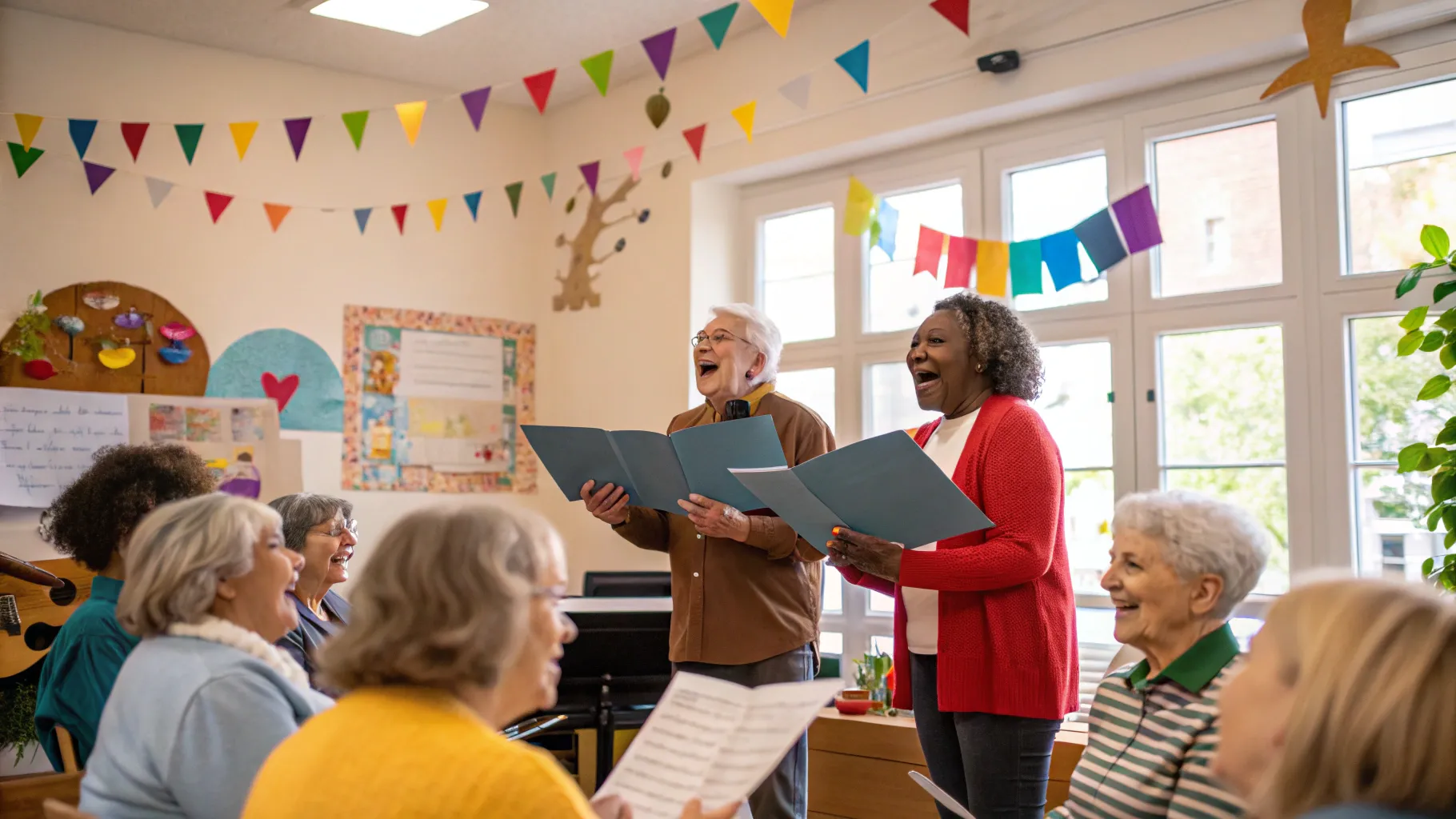
Joining Choir Groups for Seniors: A Melodious Path to Wellness
In the realm of community engagement and wellness practices, choir groups for seniors have emerged as a harmonious solution for those seeking companionship, creativity, and health benefits. At a time when finding social connections becomes increasingly important, particularly for older adults, the allure of singing together proves not only enjoyable but also immensely beneficial. This article explores how seniors can join choir groups, the health impacts of singing, and the many rewards of being part of a musical community.
Health Benefits of Singing for Seniors
Participating in choir groups for seniors offers numerous advantages that extend beyond mere enjoyment. Recent studies reveal that singing can significantly boost physical as well as mental health. In 2025, health experts underscore the importance of vocal exercises in enhancing respiratory function, which can be crucial for older adults. In a recent survey conducted by The National Institute on Aging, nearly 78% of participants noted observable improvements in their mood and energy levels after engaging in group singing sessions.
Here are some highlighted health benefits:
- Enhanced Mental Health: Singing in a group can help reduce feelings of depression and loneliness. The social aspect of choir groups provides camaraderie, which is essential for emotional well-being.
- Improved Breathing: Regular singing exercises the lungs and increases lung capacity, particularly beneficial for those with respiratory issues.
- Memory Retention: Learning lyrics and melodies helps stimulate cognitive functions, thereby enhancing memory in seniors.
- Social Interactions: Choir groups foster friendships, decrease isolation, and create a sense of belonging within the community.
Recent case studies from local choirs across the country have chronicled heartwarming stories of members who found renewed vigor through singing. For instance, the Silver Singers Choir in Florida reported that 85% of its participants felt happier and more connected to their community since joining the group.
How to Join a Choir Group as a Senior
Before diving into the illustrious world of choir singing, many seniors might wonder how to find the right group that suits their interests and abilities. Here’s a simple guide to help you get started:
1. Research Local Choirs
Numerous community centers, religious organizations, and senior centers offer choir classes specifically designed for older adults. Websites like Meetup and Facebook often have groups dedicated to music and singing events. A quick online search can provide a list of options available in your area.
2. Attend a Rehearsal
Many choirs allow prospective members to attend a rehearsal. This gives you the chance to experience the group dynamic and see if the choir aligns with your singing interests—whether that be classical, pop, or gospel. Don’t be shy; enthusiasm often trumps experience!
3. Speak with the Choir Director
Once you find a choir that interests you, reach out to the choir director or coordinator. They can provide valuable information regarding membership requirements, rehearsal schedules, and any fees that might be associated with the group. Ask about the atmosphere—whether it’s casual or more structured—to ensure it meets your expectations.
4. Embrace the Experience
Once you decide to join, immerse yourself fully in the experience! Attend practices regularly, participate in performances, and build relationships with other members. The more you engage, the more benefits you’ll reap—not only in terms of health but also in joyful memories and lifelong friendships.
Singing for Seniors: More than Just a Hobby
The value of joining choir groups extends well beyond health improvements; it nurtures a profound connection to music, creativity, and community engagement. As you sing, you harness the power of music therapy—long recognized for its therapeutic potential in older populations. Music therapy can lead to improved cognitive functioning and physical health, reinforcing the idea that singing truly can be a healing force.
Many choirs often schedule performances at nursing homes, hospitals, or public events, allowing seniors to share their talents with the broader community, bringing smiles and uplifting spirits. These moments can foster a sense of pride, enhance self-esteem, and contribute to a rich and fulfilled life.
In 2025, statistics from the American Association of Retired Persons (AARP) show that over 40% of seniors are involved in some form of artistic activity. Taking part in choir groups for seniors illustrates a vibrant community trend toward embracing creativity, as more people recognize the immense benefits of staying active and engaged.
Tips for Choosing the Right Choir Group
When selecting the perfect choir group, consider the following:
- Skill Level: Some choirs cater to all skill levels, while others may require a degree of proficiency. Choose one that matches your comfort level.
- Rehearsal Frequency: Ensure that the rehearsal schedule fits your availability to avoid feeling overwhelmed.
- Community Engagement: Look for groups that prioritize outreach and performances, amplifying the sense of accomplishment and teamwork.
By merging passion, creativity, and community, seniors can cultivate a richer lifestyle by participating in choir groups. The journey of singing, made possible through shared experiences with fellow music lovers, brings vibrancy to life and opens doors to new friendships—truly, a melodious path to overall well-being.