Unleash Your Creativity: The Ultimate Guide to Jewelry Making Classes for Seniors
Facts:
- Engaging in crafts can reduce stress by up to 45%.
- Artisanal skill development is a growing trend for lifelong learners.
Discover a Sparkling New Hobby: Why Jewelry Making Is Perfect for Retirees
Retirement opens a new chapter of life, offering the freedom to explore passions and hobbies that were once set aside. For many, this is the perfect time to delve into the creative world of jewelry making. It's more than just a craft; it's a way to express individuality, keep the mind sharp, and create beautiful, wearable art. The demand for jewelry making classes for seniors is on the rise, as they provide a structured, social, and supportive environment to learn a new skill. These workshops are specifically designed to be accessible and enjoyable, focusing on techniques that are both rewarding and manageable, making it an ideal activity for anyone looking to add a little sparkle to their golden years.
The Tangible Benefits: More Than Just a Pretty Necklace
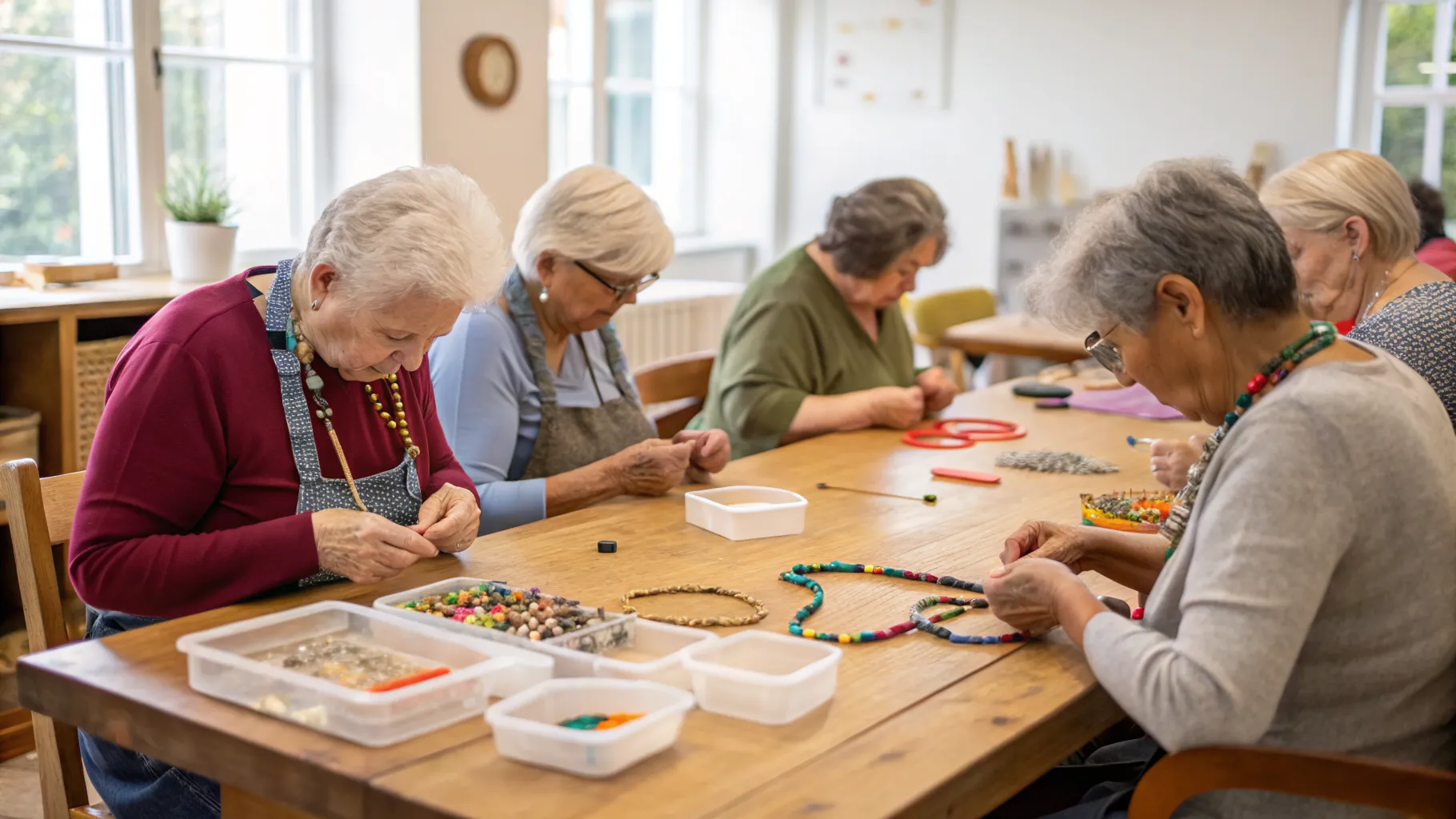
Engaging in creative activities like jewelry making offers a wealth of benefits that extend far beyond the finished product. For older adults, these advantages can be particularly impactful. The intricate work of handling beads, wires, and clasps is an excellent way to improve and maintain fine motor skills and hand-eye coordination. This gentle exercise can help with dexterity, which is crucial for many daily tasks. Furthermore, the process of designing a piece of jewelry—choosing colors, patterns, and materials—is a fantastic mental workout that stimulates creativity and problem-solving skills. Participating in jewelry workshops for older adults also fosters a strong sense of community. It’s an opportunity to meet like-minded individuals, share ideas, and build new friendships, combating the social isolation that can sometimes accompany retirement.
What to Expect in Your First Jewelry Making Class
Stepping into your first class can be exciting, and knowing what to expect can make the experience even more enjoyable. Most introductory beading classes for seniors are designed with the absolute beginner in mind. You don't need any prior experience or artistic talent to get started. Typically, the instructor will begin with an overview of the basic tools, such as different types of pliers, wire cutters, and bead boards. You will then be introduced to fundamental materials like beads, findings (the components that connect jewelry, like clasps and hooks), and stringing materials. Your first project is usually something simple and satisfying, like a beaded bracelet or a pair of earrings. This allows you to learn core techniques, such as proper stringing, crimping, and attaching a clasp, in a low-pressure environment. Most courses provide all the necessary tools and materials for your first few projects, so you can learn jewelry making over 60 without a significant upfront investment.
Finding the Perfect Course for You: In-Person vs. Online
The wonderful thing about learning this craft today is the variety of available options. Choosing the right format depends on your learning style, budget, and social preferences. Community centers and local craft stores often host affordable, in-person jewelry workshops for older adults, which are great for hands-on guidance and social interaction. Private studios may offer more specialized workshops, focusing on techniques like metalwork or gemstone setting. On the other hand, online jewelry design courses for retirees have become incredibly popular, offering the flexibility to learn from the comfort of your own home and at your own pace. These often come with video tutorials you can re-watch and kits containing all the necessary supplies mailed directly to your door. While online courses lack the immediate social aspect, many have dedicated forums or social media groups to connect with fellow students and instructors.
Essential Tools to Build Your Home Studio
Once you've attended a few jewelry making classes for seniors and have fallen in love with the craft, you might want to set up a small workspace at home. Here is some actionable advice on the basic tools to get you started:
- Chain-Nose Pliers: These are essential for opening and closing jump rings, holding small components, and wrapping wire. Their tapered jaws allow for precise work in tight spaces.
- Round-Nose Pliers: As the name suggests, these pliers have rounded jaws used for creating loops and curves in the wire, which is fundamental for making earrings and wire-wrapped pendants.
- Wire Cutters: A good pair of flush cutters is crucial for getting clean, flat cuts on your wire, which makes for a more professional finish on your pieces.
- Bead Board: This flocked tray has measurement markings and channels that allow you to lay out your design before stringing. It prevents beads from rolling away and helps you visualize the final length and pattern.
- A Good Assortment of Beads and Findings: Start with a basic collection of glass beads, jump rings, headpins, and clasps. As you discover your personal style, you can expand your collection to include gemstones, pearls, or metal charms.
From Hobby to Side Hustle: Sharing Your Art with the World
What begins as a relaxing pastime can often blossom into a small business venture. Many who learn jewelry making over 60 find immense satisfaction in selling their unique creations. The skills acquired in jewelry design courses for retirees can be channeled into creating a signature line of products. Local craft fairs, farmers' markets, and senior center bazaars are excellent venues to showcase your work and interact directly with customers. Online platforms like Etsy provide a global marketplace to reach a wider audience with minimal startup costs. Selling your jewelry is not only a way to earn some extra income but also a wonderful way to share your passion and creativity with others, providing a profound sense of accomplishment and purpose.
Frequently Asked Questions
Do I need any prior experience for jewelry making classes for seniors?
Absolutely not. The vast majority of these classes are designed specifically for beginners. Instructors guide you through every step, from understanding the tools to completing your first beautiful piece. The focus is on learning and enjoyment, not perfection.
What is the typical cost of beading classes for seniors?
Costs can vary widely based on location and the type of class. Community center courses are often the most affordable, sometimes costing as little as $20-$40 plus a small materials fee. Private studio workshops might be more expensive but offer specialized instruction. Many places offer senior discounts, so it's always worth asking.
Are online jewelry design courses for retirees effective?
Yes, they can be very effective, especially for self-motivated learners. High-quality online courses offer detailed video instructions that you can pause and re-watch as needed. The key is to choose a reputable program that provides clear tutorials and, ideally, a community forum for support and questions.
References
- Journal of Applied Gerontology
- American Craft Council Archives
- Senior Lifestyles & Hobbies Magazine
- Lifelong Learning Institute Review