Inspiring Kitchen Remodeling Ideas for Your Home
A kitchen remodel is an exciting opportunity to create a space that is not only beautiful but also perfectly tailored to your lifestyle. Whether you're an avid cook or love to entertain, thoughtful planning can turn your kitchen into the true heart of your home. Before you begin, it's helpful to explore various ideas for layouts, materials, and finishes to define your vision and set a clear direction for your project.
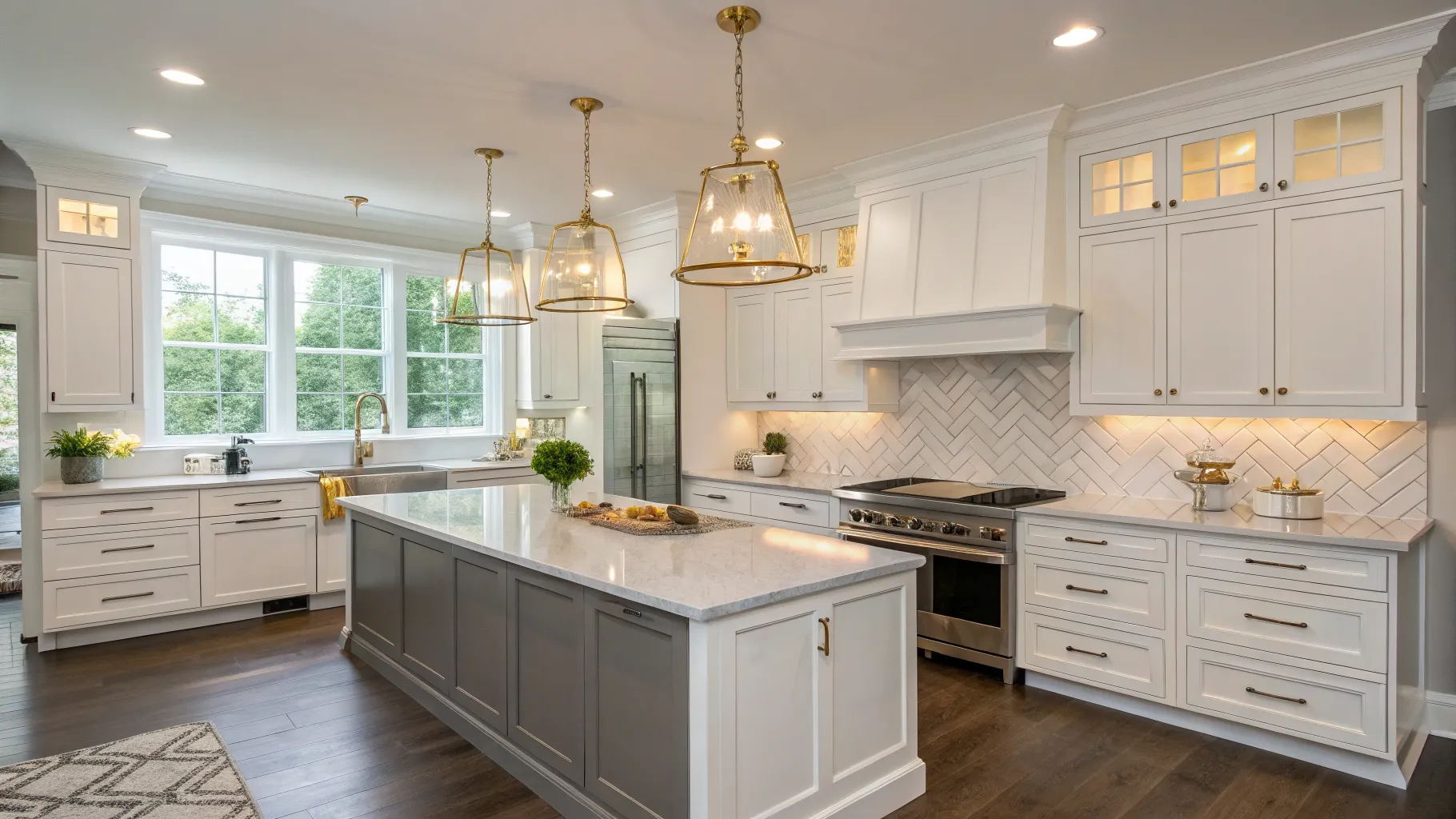
Planning Your Kitchen Layout
The foundation of any great kitchen is a functional layout. The classic 'kitchen work triangle' is a concept that aims to create an efficient path between the refrigerator, sink, and stove. While modern kitchens often have more complex needs, this principle remains a useful starting point. Consider how you move about the space when you cook, clean, and gather. An effective layout minimizes steps and makes daily tasks more intuitive.
Common layouts each offer unique benefits. A galley kitchen, with two parallel walls, is efficient for narrow spaces. An L-shaped kitchen works well in open-concept homes, keeping traffic out of the main work area. U-shaped kitchens provide ample counter and storage space, while an island can add a versatile workstation, extra seating, and a social hub. Choosing the right layout depends on your room's dimensions and how you intend to use the space.
Choosing Cabinetry Styles and Finishes
Cabinets are often the most prominent visual element in a kitchen, so their style significantly impacts the overall look. Shaker-style cabinets, with their simple frame and panel design, are incredibly versatile and suit both traditional and contemporary aesthetics. For a minimalist look, flat-panel or slab doors offer clean lines. If you prefer a more ornate style, traditional cabinets with raised panels and decorative molding might be the right choice.
The material and finish of your cabinets are just as important as the style. Solid wood remains a popular, durable choice, while engineered materials like MDF can be a budget-friendly alternative, especially for painted finishes. Popular finishes include classic wood stains, painted colors ranging from timeless white to bold hues, and high-gloss laminates for a sleek, modern effect. Hardware, such as pulls and knobs, acts as the finishing touch that completes the look.
Selecting the Right Countertop Materials
Kitchen countertops must be durable, easy to maintain, and stylish. When selecting a material, think about your tolerance for maintenance and your cooking habits. Natural stones like granite and marble are beautiful but require periodic sealing to prevent staining. Engineered quartz is a popular alternative that offers the look of stone without the maintenance, as it is non-porous and highly resistant to scratches and stains.
Beyond stone, there are many other excellent options to consider. Here are a few popular choices:
- Butcher Block: Offers a warm, natural look and is ideal for food prep areas. It does require regular oiling to keep it in good condition.
- Laminate: The most budget-friendly option, available in a vast array of colors and patterns that can mimic more expensive materials.
- Solid Surface: A mid-range material that can be seamlessly integrated with a sink and is easy to repair if scratched.
- Concrete: Provides a unique, industrial aesthetic and can be customized with different colors and textures.
Upgrading Your Appliances and Fixtures
Modern appliances can dramatically improve your kitchen's functionality. When choosing new appliances, look for models with high energy-efficiency ratings to save on utility bills over time. Smart appliances that connect to your Wi-Fi offer conveniences like preheating your oven from your phone or checking the contents of your fridge while at the grocery store. Integrating appliances with panel-ready doors can create a seamless, built-in look that blends with your cabinetry.
Fixtures like the sink and faucet are hard-working elements that also contribute to your kitchen's style. Stainless steel sinks are durable and popular, while composite granite and fireclay sinks offer color options and excellent durability. Faucets have evolved beyond the basic, with features like pull-down sprayers, touchless operation, and pot fillers becoming increasingly common. The finish of your faucet, whether it's chrome, brushed nickel, matte black, or brass, should coordinate with your cabinet hardware and lighting.
Illuminating Your Space with Smart Lighting
A well-designed lighting plan is crucial for both function and ambiance in a kitchen. A layered approach is most effective, incorporating three types of light. Ambient lighting provides overall illumination and is often achieved with recessed ceiling lights or a central flush-mount fixture. Task lighting is focused light for specific work areas, such as under-cabinet lights for countertops or pendant lights over an island.
Accent lighting is used to highlight architectural features or decorative elements, like inside glass-front cabinets. Using dimmer switches for your main light sources allows you to adjust the mood from bright and energetic for cooking to soft and relaxed for dining or entertaining. LED lighting is the standard today, offering energy efficiency and a long lifespan in a variety of color temperatures to suit your preference.
Incorporating a Backsplash and Flooring
The backsplash is a perfect opportunity to inject personality into your kitchen. It serves the practical purpose of protecting the wall from splashes but also acts as a major design element. Classic subway tile is a timeless choice that can be arranged in various patterns. Mosaic tiles, patterned ceramic tiles, and natural stone slabs are other options that can create a stunning focal point behind the stove or sink.
Kitchen flooring needs to be durable, water-resistant, and comfortable to stand on for extended periods. Tile, available in ceramic, porcelain, and natural stone, is a classic choice for its durability and ease of cleaning. Luxury vinyl plank (LVP) has gained immense popularity for its ability to realistically mimic the look of hardwood while being fully waterproof and more forgiving underfoot. Hardwood is beautiful and warm, but it's more susceptible to water damage and requires careful maintenance in a kitchen environment.