Inspiring Backyard Fire Pit Ideas for Every Style
A backyard fire pit can be the centerpiece of your outdoor living space, providing warmth, light, and a natural gathering spot for friends and family. Whether you envision rustic campfire nights or elegant evening get-togethers, there is a fire pit design to suit your needs. Planning is key to creating a space that is not only beautiful but also safe and functional for years to come.
Choosing the Right Location
The first step in planning your fire pit is selecting the perfect location. Safety is the top priority, so the area must be a safe distance away from your house, shed, fences, and any overhanging tree branches or power lines. A general guideline is to maintain a clearance of at least 10 to 25 feet from any structure, but it is crucial to check your local city and county regulations, as specific codes often dictate placement and even whether fire pits are permitted at all.
Consider the prevailing wind direction in your yard to prevent smoke from blowing into your home or towards your neighbors' property. The surface beneath the fire pit must be non-combustible. Avoid placing it directly on a wooden deck or dry grass. Ideal surfaces include stone pavers, concrete, gravel, or a designated patio area. A level spot is also important for stability, especially for portable models.
Understanding Different Fuel Types
The fuel source you choose will significantly impact the experience, maintenance, and installation of your fire pit. The two main categories are wood-burning and gas-powered, each with distinct characteristics.
- Wood-Burning: This is the classic choice, offering the authentic crackle, aroma, and radiant heat of a real campfire. Wood is a readily available fuel source, and these pits can be simple and inexpensive to build. However, they produce smoke and embers, require more effort to start and extinguish, and need regular cleaning to remove ash.
- Gas (Propane or Natural Gas): Gas fire pits offer convenience and control. They turn on and off with the flip of a switch or the turn of a knob and produce no smoke or embers. They are a clean-burning option that requires minimal cleanup. Propane models offer portability, while natural gas units provide a continuous fuel supply but require professional installation of a gas line.
Materials and Design Styles
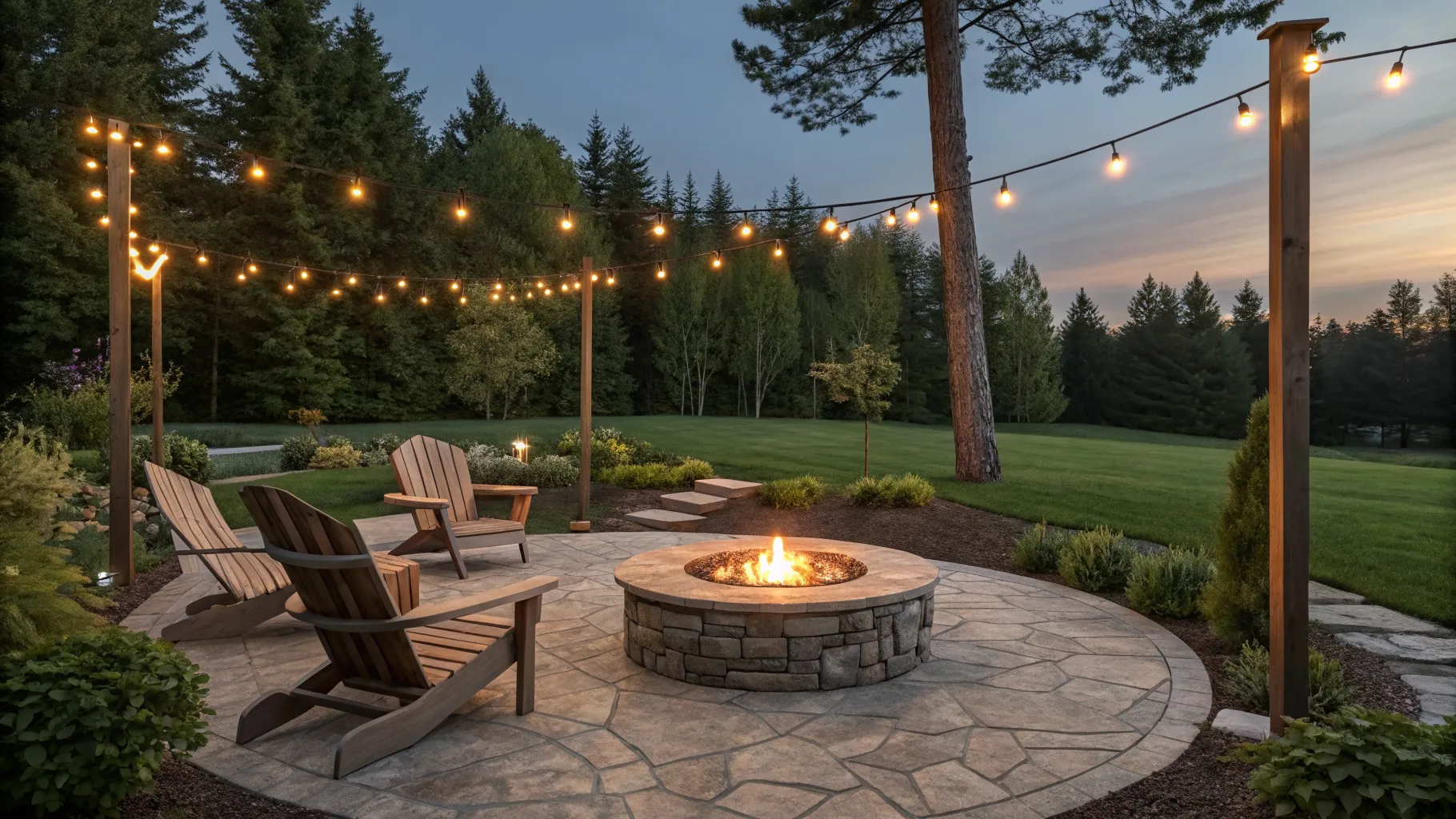
The materials you choose will define the aesthetic of your fire pit and the surrounding area. For a natural, rustic look, consider materials like fieldstone or flagstone. These stones create an organic feel that blends seamlessly with garden landscapes. For a more formal or traditional appearance, manufactured pavers or bricks offer a clean, uniform look and are available in various colors and shapes.
Metal fire bowls, often made of steel, copper, or cast iron, are a popular choice for both portable and permanent installations. They can create a modern, industrial, or even artistic focal point. Poured concrete offers a sleek, minimalist style that is highly durable and can be customized into various shapes and sizes. Combining materials, such as a metal insert within a stone surround, can create a unique and personalized design.
DIY vs. Pre-Made Kits
You can create a fire pit by purchasing a pre-made portable unit, assembling a kit, or building one from scratch. Portable fire pits are the simplest option, requiring no installation and allowing you to move them around the yard. They are available in a wide range of styles and price points.
Fire pit kits provide a middle ground, offering a more permanent look without requiring advanced masonry skills. These kits typically include all the pre-cut blocks or stones and instructions needed for assembly. For those with construction experience, a full do-it-yourself project allows for complete customization in size, shape, and material. While potentially more labor-intensive, a DIY build can be a rewarding project that perfectly matches your vision for the space.
Creating a Cozy Seating Area
The area around the fire pit is just as important as the pit itself. Comfortable and well-placed seating is essential for creating an inviting atmosphere. The arrangement should encourage conversation while keeping everyone a safe and comfortable distance from the heat and flames. Circular arrangements work well to ensure everyone can enjoy the fire's warmth.
Options for seating are plentiful. Classic Adirondack chairs offer a relaxed, timeless look. Built-in seating walls, often made from the same stone or block as the fire pit, provide permanent, durable seating and help define the space. For a more flexible setup, consider outdoor sofas and sectionals made with weather-resistant materials. Adding outdoor pillows, blankets, and side tables will enhance comfort and functionality.
Essential Safety and Maintenance
Operating a fire pit safely is paramount. Never leave a fire unattended, and always ensure children and pets are supervised. Keep a bucket of water, a garden hose, or a fire extinguisher nearby at all times. Avoid using flammable liquids to start a wood fire, and do not burn trash, pressure-treated wood, or construction debris, as they can release harmful chemicals.
Regular maintenance will keep your fire pit looking great and functioning properly for years. For wood-burning pits, clean out the ash after each use once it has fully cooled. For gas models, periodically check the connections for leaks and ensure the burner holes are clear of debris. Covering your fire pit when not in use can protect it from the elements and extend its lifespan.