Insights into Common Autoimmune Diseases and Treatments
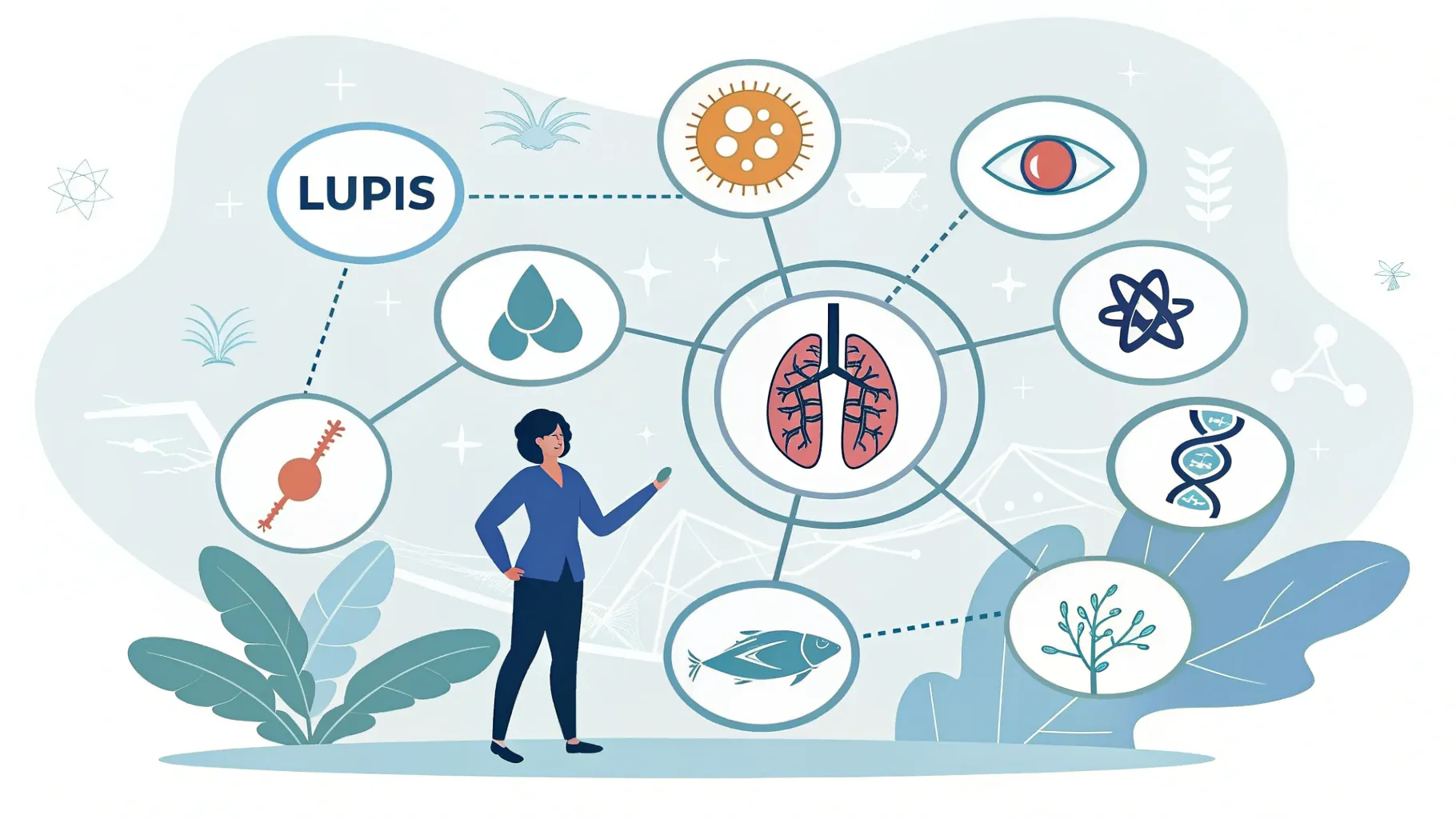
Understanding Common Autoimmune Diseases
Autoimmune diseases are more common than most people think, affecting millions worldwide. These health conditions occur when the immune system, which typically defends the body against pathogens and infections, mistakenly attacks healthy cells and tissues. In this article, we delve into some of the most common autoimmune conditions, providing insights into their symptoms, causes, and treatments.
Key Autoimmune Conditions
There are over 80 different autoimmune diseases, with varying symptoms and severity. Here, we discuss some of the most prevalent autoimmune conditions:
Rheumatoid Arthritis
Rheumatoid arthritis (RA) is one of the most commonly diagnosed autoimmune disorders, affecting around 1.3 million adults in the United States alone. This condition primarily impacts the joints, leading to inflammation, swelling, and pain. Over time, it can cause joint damage and decrease mobility. The exact cause of RA isn't fully understood, but researchers believe genetic and environmental factors play a role in its development.
- Symptoms: Persistent joint pain, morning stiffness, fatigue, and swollen joints.
- Treatments: Common treatments include anti-inflammatory medications, disease-modifying antirheumatic drugs (DMARDs), and biologics, which target specific components of the immune response.
Type 1 Diabetes
Type 1 diabetes occurs when the pancreas produces little or no insulin due to the immune system attacking and destroying insulin-secreting cells. Approximately 1.6 million Americans are diagnosed with this condition annually. It typically develops in children and young adults, hence the name 'juvenile diabetes.' Symptoms usually arise quickly and can include excessive thirst, frequent urination, and unexplained weight loss.
- Management: Managing type 1 diabetes requires lifelong insulin therapy, alongside regular monitoring of blood glucose levels. Advances in technology have led to the development of insulin pumps and continuous glucose monitors, greatly improving quality of life for those affected.
Lupus
Lupus, also known as systemic lupus erythematosus (SLE), is a complex autoimmune disease that can affect multiple organs in the body, including the skin, joints, heart, and kidneys. It is estimated that approximately 1.5 million Americans have lupus, and it is more prevalent in women of childbearing age. Symptoms can vary widely and may include fatigue, joint pain, skin rashes, and fever.
- Treatment Approaches: Treatment often involves anti-inflammatory drugs, antimalarials, and immunosuppressants to manage symptoms and reduce flare-ups.
Multiple Sclerosis
Multiple sclerosis (MS) is another common autoimmune disease where the immune system attacks the protective covering of nerves, known as myelin. It disrupts communication between the brain and the body, leading to various neurological symptoms. Estimates suggest that approximately 1 million people in the U.S. live with MS today.
- Symptoms: Common symptoms include fatigue, difficulty walking, numbness, and issues with coordination. Symptoms may come and go, leading to periods of relapse and remission.
- Current Treatments: New therapies have emerged in recent years that can slow the progression of the disease and alleviate symptoms. These include corticosteroids for acute flare-ups and disease-modifying treatments to reduce the frequency of relapses.
Understanding Autoimmune Disease Mechanisms
The mechanisms leading to autoimmune diseases are complex and not fully understood. Factors contributing to the development of these conditions include genetic predisposition, environmental triggers, and hormonal influences. Recent studies have highlighted the role of gut microbiota in autoimmune disorders, suggesting that an imbalance in gut bacteria could influence immune responses.
Research published in the past six months indicates that approximately 20% of patients with autoimmune diseases also have a family member with a similar condition, solidifying the genetic component of these disorders. Furthermore, infections and exposure to certain chemicals have also been implicated in triggering autoimmune responses.
Living with Autoimmune Conditions
For many, living with an autoimmune disease presents daily challenges, not just in managing symptoms but also in dealing with societal perceptions and stigma. By fostering understanding and empathy among the general population, we can help create supportive communities for individuals facing these health conditions. Support groups, both online and offline, play a crucial role in offering emotional support, resources, and a sense of belonging for those affected.
Emerging Treatments and Advances
As our understanding of autoimmune diseases advances, so too does treatment. In recent months, innovative therapies like Janus kinase (JAK) inhibitors have shown promise in treating RA and other autoimmune conditions by specifically targeting inflammatory pathways. This represents a significant leap in personalized medicine where treatment is becoming more tailored to individual patient needs.
Moreover, research into the efficacy of biologics has expanded, leading to the development of therapies that not only control symptoms but aim to achieve long-term remission for patients suffering from chronic autoimmune conditions. Clinical trials are underway for various novel therapies that hone in on specific immune pathways, offering hope for more effective treatments in the near future.
Awareness surrounding autoimmune diseases continues to grow, thanks to advocacy from organizations and individuals alike. This increased visibility helps inform the public, fosters better research opportunities, and ultimately leads to advancements in treatments and the support networks available to those affected. By understanding autoimmune conditions and the ongoing research efforts, we can better support the millions living with these complex health challenges.