Inner Ear Imbalance Disorders Causes Symptoms and Treatment
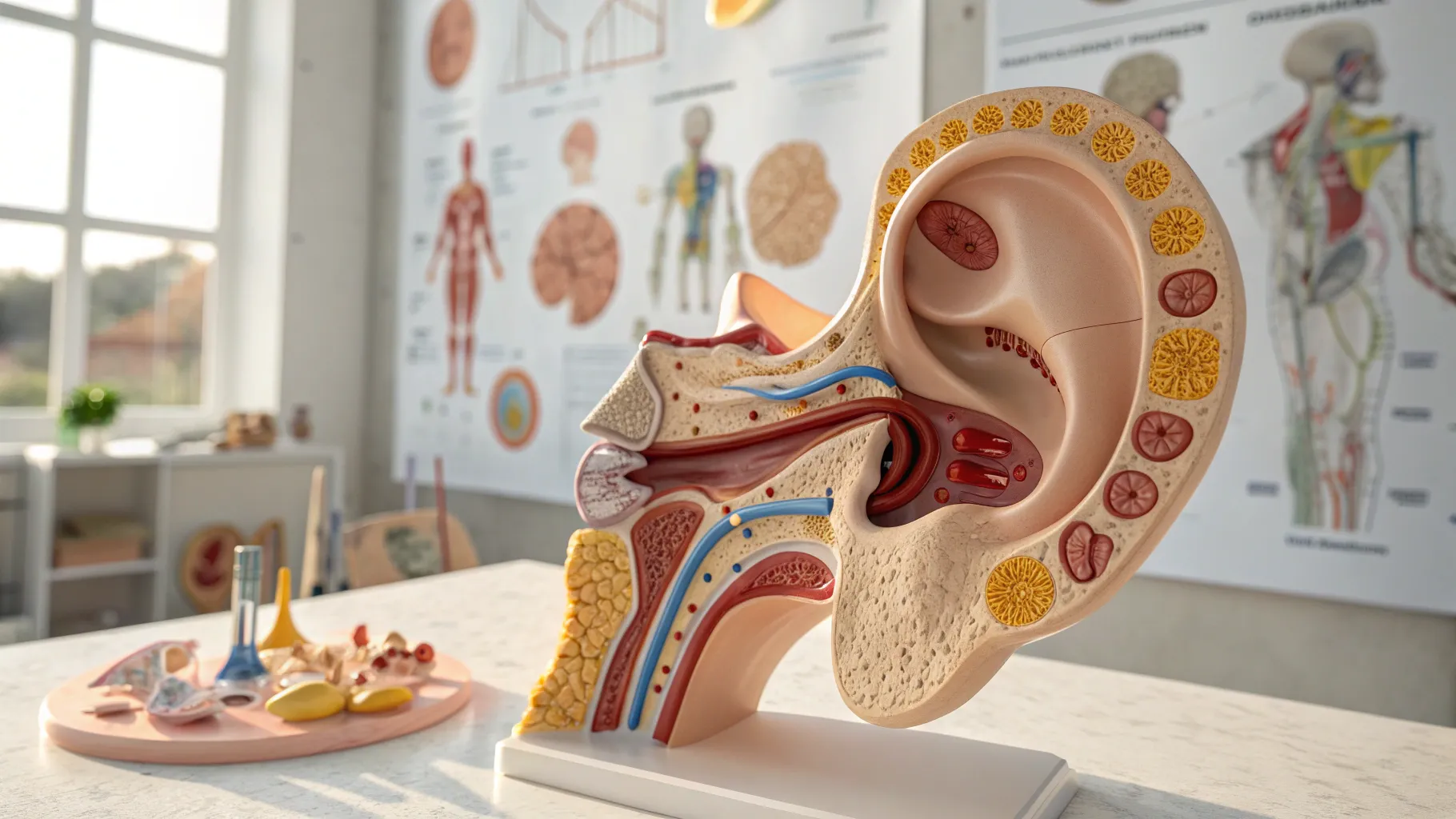
Learn About Inner Ear Imbalance Disorders
Dizziness and balance issues can stem from various health concerns, but many often trace back to a critical but frequently overlooked player: the inner ear. This organ plays an essential role in our equilibrium and orientation in space. In the context of inner ear imbalance disorders, the vestibular system—comprised of structures in the inner ear—sends signals to the brain that allow us to maintain balance and coordinate movements. When this system is compromised, it can result in distressing symptoms that significantly affect one’s quality of life.
Understanding Vestibular Disorders and Their Causes
Vestibular disorders are conditions that affect the inner ear’s function, which can lead to vertigo, dizziness, imbalance, and other symptoms. In 2025, it is estimated that over 69 million Americans experience vestibular dysfunction at some point in their lives. The causes of these disorders are diverse and sometimes interconnected. Here are some common causes:
- Benign Paroxysmal Positional Vertigo (BPPV): This common condition occurs when tiny calcium carbonate crystals in the inner ear become displaced, leading to sudden episodes of vertigo.
- Meniere's Disease: A chronic inner ear disorder that can cause episodes of vertigo, ringing in the ears (tinnitus), and hearing loss. Recent studies indicate that up to 1 in 1,000 people may be affected.
- Vestibular Neuritis: An inflammation of the vestibular nerve, often due to a viral infection, causes severe dizziness that can worsen with head movement.
- Labyrinthitis: Also caused by infection, this condition affects both the hearing and balance parts of the inner ear, usually leading to simultaneous hearing loss and dizziness.
- Acoustic Neuroma: A benign tumor that grows on the vestibular cochlear nerve, causing balance and hearing issues.
In addition to these conditions, it is essential to understand that age plays a significant role. As individuals age, the structures within the inner ear may deteriorate, leading to increased incidents of vestibular disorders.
How the Inner Ear Affects Balance and Coordination
The inner ear houses two crucial components for balance: the semicircular canals and the otolithic organs. The semicircular canals sense rotational movements, while the otolithic organs detect linear movements and the effects of gravity. Together, they help the brain create a coherent picture of one's spatial orientation and movement.
When healthy, these components work seamlessly with the visual system and sensory nerves from the body. For instance, when you are walking, signals from your inner ear, eyes, and muscles send information to your brain about your position and movement. An imbalance in any of these systems can lead to discomfort and disorientation, which some individuals may describe as a sensation of spinning or feeling off-balance.
The prevalence of these disorders is significant, with research indicating that nearly 20% of adults will experience some form of dizziness in their lifetime. Moreover, chronic dizziness can significantly impact mental health, leading to anxiety and depression, further complicating recovery.
Understanding Vertigo and Ear-Related Balance Problems
Many patients experiencing vestibular disorders report episodes of vertigo, which is not merely dizziness but an intense sensation that the surrounding environment is spinning or moving. This debilitating symptom can be triggered by head movements or changes in position. Individuals often describe this experience as profoundly unsettling and disorienting.
In the last six months, medical professionals have increasingly emphasized the importance of accurate diagnoses. Tools such as videonystagmography (VNG) and posturography have gained traction, helping clinicians pinpoint the precise nature of balance dysfunction. These tests measure eye movements and assess how well the vestibular system is functioning, thus informing appropriate therapeutic interventions. Some common treatment strategies include:
- Vestibular Rehabilitation Therapy (VRT): A specialized form of therapy designed to improve balance and reduce dizziness-related symptoms. Studies suggest that VRT can be effective in approximately 70% of patients with vestibular disorders.
- Medications: Depending on the underlying condition, certain medications can help reduce the intensity of symptoms.
- Surgery: In rare cases, surgical intervention may be necessary to resolve vestibular dysfunction or related problems.
Another significant aspect to consider is patient education. Understanding one’s condition and learning management strategies can empower individuals to cope better with symptoms. For example, individuals with BPPV can learn specific head movements (like the Epley maneuver) to reposition those displaced crystals effectively. Furthermore, exercises focused on improving balance and coordination can help patients feel more stable, thus enhancing their functionality in daily life.
As we navigate through the complexities of inner ear imbalance disorders, awareness and timely intervention remain pivotal. It is vital for those experiencing symptoms such as persistent dizziness or balance issues to seek medical advice swiftly. Early detection can lead to more effective management and potentially improve the quality of life.
With ongoing research and advancements in treatment protocols, there is hope on the horizon for those facing challenges related to inner ear disorders. Knowledge is power, and understanding these conditions can significantly mitigate their impact.