Your Ultimate Guide to Immune Problems Preventing Foods
Fast Facts:
- Vitamin C Power: Citrus fruits are a top source for immune support.
- Focusing on whole foods is a key trend for health-conscious individuals.
Key Information & Options
Understanding how to support your body's natural defenses is crucial for long-term vitality. Incorporating specific immune health foods into your daily routine is one of the most effective strategies to build resilience. This guide explores the essential nutrients and dietary choices that form the foundation of an immune wellness diet basics, helping you make informed decisions for better health.
Key Benefits
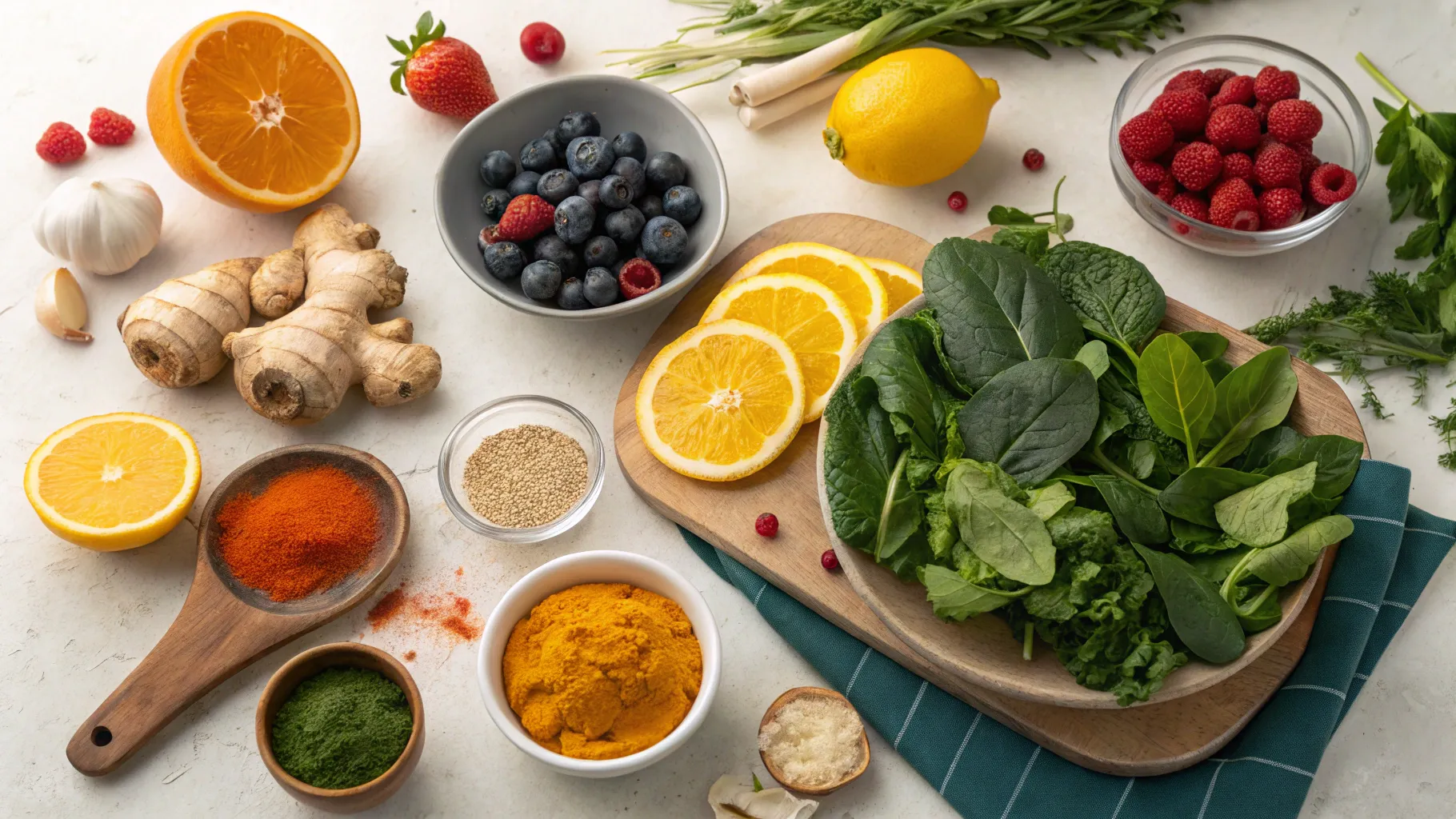
- Rich in Antioxidants: Berries, dark chocolate, and leafy greens fight oxidative stress, which can compromise immune function.
- Anti-Inflammatory Properties: Foods like turmeric, ginger, and fatty fish such as salmon help reduce chronic inflammation.
- Gut Health Promotion: Probiotic-rich foods like yogurt and kefir are key foods linked to immune support as they maintain a healthy gut microbiome, where a large portion of the immune system resides.
- Enhanced White Blood Cell Production: Zinc-rich foods such as nuts, seeds, and legumes are vital for developing and activating immune cells.
While both citrus fruits and leafy greens are excellent for immune health, they serve different primary roles. Citrus fruits like oranges and grapefruits are famed for their high Vitamin C content, crucial for short-term defense during cold season. In contrast, leafy greens such as spinach and kale provide a broader spectrum of nutrients, including Vitamin A, C, and K, plus iron, which supports long-term immune system maintenance. A balanced approach incorporating both is ideal for comprehensive healthy eating for immune awareness.
Essential Checklist
- Aim for 5-7 servings of colorful fruits and vegetables daily.
- Include a source of lean protein with every meal to support immune cell creation.
- Choose whole grains like oats and brown rice over refined grains.
- Incorporate healthy fats from sources like avocados, nuts, and olive oil.
- Stay hydrated by drinking plenty of water throughout the day.
Frequently Asked Questions
Which fruit is best for immunity?
While many fruits are beneficial, citrus fruits like oranges, lemons, and grapefruits are often highlighted due to their exceptionally high Vitamin C content, a powerful antioxidant that supports various immune cell functions.
Can diet alone prevent all immune problems?
A healthy diet is a cornerstone of a strong immune system, but it's part of a bigger picture. Factors like adequate sleep, stress management, and regular exercise are also critical. Diet significantly reduces risk but doesn't guarantee complete prevention of all illnesses.
Are supplements as good as whole foods?
Whole foods provide a complex synergy of vitamins, minerals, fiber, and phytochemicals that work together. Supplements can be useful for filling specific nutritional gaps but should not replace a balanced diet focused on immune problems preventing foods.
References
- Journal of Nutrition and Metabolism: "Dietary Patterns and Immune Function"
- National Institutes of Health (NIH): "Vitamins and Minerals for Immune Health"
- World Health Organization (WHO): "Healthy Diet Recommendations"