How to Treat Dry and Chapped Hands in Winter: A Complete Guide
Facts:
- Skin on the back of the hands has fewer oil glands, making it more prone to dryness.
- Increased handwashing is a key factor driving seasonal hand care awareness for preventing skin damage.
Understanding the Root Causes of Winter Hand Dryness
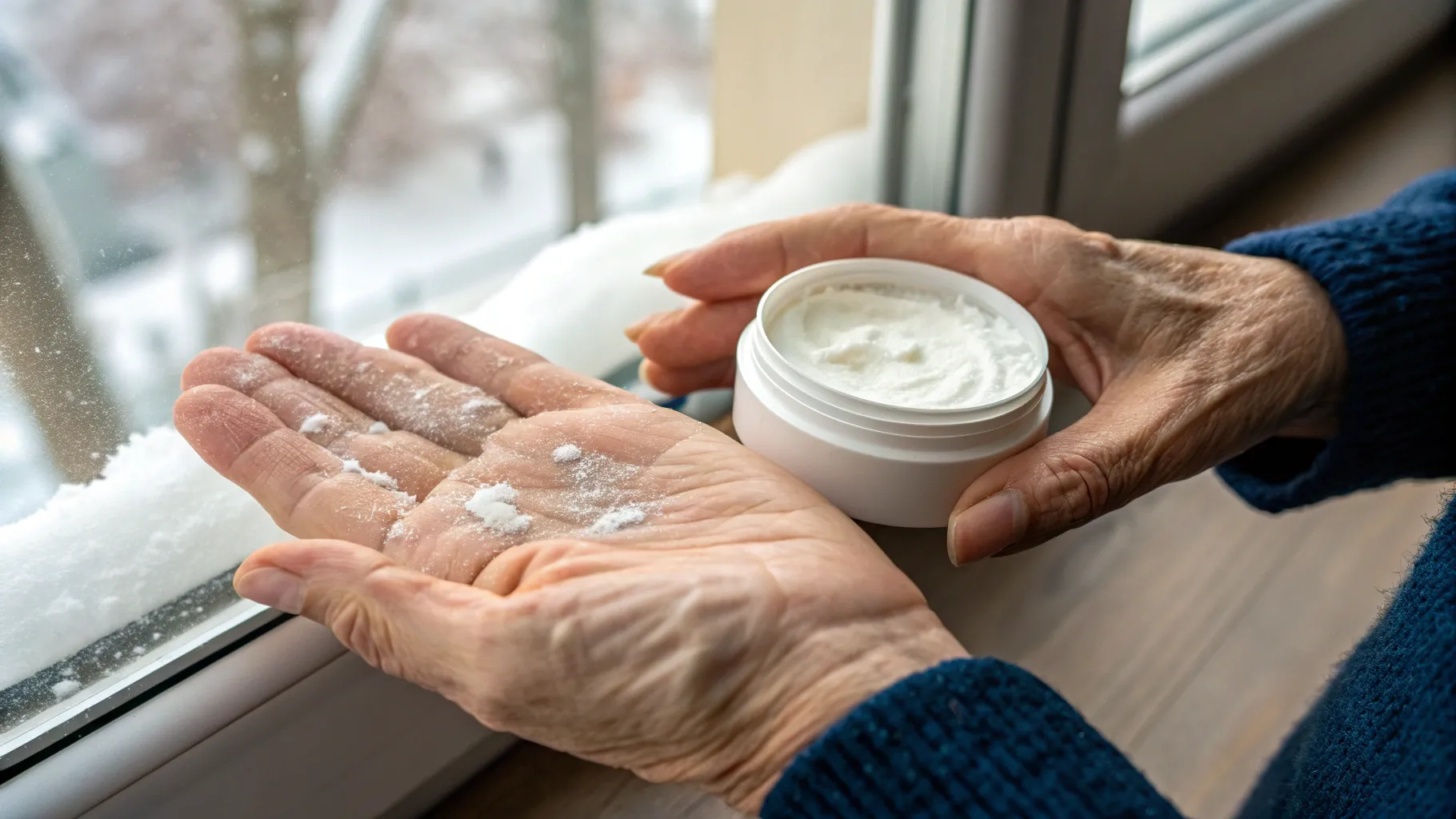
As winter descends, many of us experience the uncomfortable, often painful, reality of dry chapped hands winter brings. The combination of cold, blustery outdoor air and dry, heated indoor environments creates a perfect storm that strips moisture from our skin. This article will delve into the essential winter hand care basics, providing you with actionable strategies to combat severe hand dryness and maintain soft, healthy hands throughout the season. Understanding why this happens is the first step towards effective treatment and prevention, forming the foundation of any good cold weather hand care routine.
Essential Winter Hand Care Basics for Daily Protection
Establishing a consistent daily routine is paramount for managing hand dryness winter causes. The goal is not just to treat existing dryness but to prevent it from worsening. This starts with how you wash your hands. Opt for lukewarm water instead of hot, as high temperatures strip natural oils from your skin. Use a gentle, fragrance-free, moisturizing cleanser instead of harsh bar soaps or antibacterial gels that contain drying alcohol. After washing, pat your hands dry gently with a soft towel, avoiding vigorous rubbing that can irritate already sensitive skin. The most critical step in all winter hand care basics is to moisturize immediately after drying, while your skin is still slightly damp, to lock in hydration.
Advanced Treatments for Severely Cracked Hands
When basic moisturizing isn't enough to heal dry chapped hands winter has inflicted, it's time for more intensive therapies. For deep cracks and fissures, an occlusive ointment like petroleum jelly or a ceramide-rich healing ointment can work wonders. Apply a thick layer to your hands before bed and cover them with a pair of cotton gloves. This overnight treatment traps moisture and allows the product to penetrate deeply, accelerating the healing process. During the day, consider using liquid bandages for painful cracks to protect them from infection and further irritation. This targeted approach is a cornerstone of effective cold weather hand care for severe cases.
Choosing the Right Products: Lotions vs. Creams vs. Ointments
Navigating the skincare aisle can be overwhelming, but understanding the difference between lotions, creams, and ointments is key to success. Lotions have the highest water content, making them light and non-greasy, but they are often insufficient for significant hand dryness winter conditions create. Creams are thicker, containing a balanced mix of oil and water, which provides a more substantial moisturizing barrier. For the most severe cases of dry chapped hands winter brings, ointments are the best choice. They are oil-based, forming the most effective protective layer on the skin to prevent moisture loss. A comprehensive approach might involve using a cream during the day and an ointment at night.
Lifestyle Adjustments for Better Hand Health
Effective hand care goes beyond topical treatments. Your environment and daily habits play a significant role. Increasing your seasonal hand care awareness means looking at the bigger picture. Use a humidifier in your home, particularly in your bedroom, to add moisture back into the dry, heated air. Stay hydrated by drinking plenty of water throughout the day, as healthy skin starts from within. Furthermore, always wear gloves when you go outside. This simple act creates a physical barrier, protecting your hands from the harsh cold and wind, which is arguably the most fundamental aspect of cold weather hand care.
Your Actionable Winter Hand Care Checklist
To simplify your routine, here is a list of actionable steps to integrate into your daily life for healthier hands this winter. Consistency is the most important factor for preventing and treating the painful symptoms associated with winter skin.
- Moisturize Frequently: Apply a quality hand cream after every hand wash, before going outside, and before bed. Make this a non-negotiable part of your winter hand care basics.
- Choose Cleansers Wisely: Swap out harsh, drying soaps for hydrating, pH-balanced, and fragrance-free cleansers to avoid stripping your skin's natural oils.
- Protect from the Elements: Always wear waterproof, insulated gloves when outdoors in the cold. This is the most effective preventative measure against hand dryness winter causes.
- Run a Humidifier: Combat dry indoor air by using a humidifier to maintain an optimal humidity level between 30% and 50% in your home.
- Overnight Intensive Care: For extremely dry chapped hands winter has caused, apply a thick ointment or balm and wear cotton gloves to bed to deeply rehydrate your skin while you sleep.
Frequently Asked Questions
How often should I moisturize my hands in winter?
For optimal cold weather hand care, you should moisturize every time you wash your hands, and at least 3-4 other times throughout the day. If your hands are extremely dry, applying a thick ointment before bed is highly recommended to restore the skin barrier overnight.
What ingredients should I look for in a hand cream for hand dryness winter?
Look for humectants like hyaluronic acid and glycerin to draw moisture in, emollients like shea butter and ceramides to repair the skin barrier, and occlusives like dimethicone or petrolatum to lock that moisture in. These are key to the winter hand care basics.
Can I just use my body lotion on my hands?
While you can, hand creams are specifically formulated to be thicker and more resilient to washing. They create a better protective barrier to combat the unique challenges that cause dry chapped hands winter weather brings, making them a much more effective choice for targeted treatment.
References
- American Academy of Dermatology (AAD) guidelines on winter skin care.
- Journal of Clinical and Aesthetic Dermatology studies on skin barrier function.
- National Eczema Association recommendations for sensitive skin care.
- Harvard Health Publishing articles on dry skin relief.