How to Stop Weeds from Coming Back: A Guide to Long-Term Weed Control
Facts:
- Weed seeds can remain dormant in soil for decades.
- A 3-inch mulch layer is a top trend for natural weed prevention methods.
Proactive Strategies for a Permanently Weed-Free Landscape
Winning the war against invasive plants is less about constant, back-breaking removal and more about implementing smart, proactive strategies. A deep understanding of weed lifecycles is fundamental to effective weed prevention methods. By shifting your focus from removal to prevention, you can learn how to stop weeds from coming back, ensuring your garden and lawn remain pristine and healthy season after season. This comprehensive guide will explore the most effective techniques for achieving this goal.
Understanding the Enemy: Weed Types and Growth Habits
Before you can implement successful long term weed control, you must identify your adversary. Weeds are generally categorized into three types based on their lifecycle: annuals (complete their lifecycle in one season, like crabgrass), biennials (live for two years, like bull thistle), and perennials (live for multiple years, like dandelions). Perennials are often the most difficult to eradicate due to their deep, established root systems. Recognizing which types are prevalent in your yard allows you to tailor your approach, as methods effective against annuals might not work on deep-rooted perennials. This knowledge is the first step in successful lawn weed management and garden care.
Foundational Methods for Preventing Weeds in Gardens
The most effective defense is a good offense, especially when it comes to preventing weeds in gardens. A healthy, well-maintained garden environment is naturally resistant to weed invasion. Start with your soil; enriching it with compost creates a thriving environment for your desired plants, allowing them to grow strong and crowd out potential weeds. Avoid tilling your garden soil excessively. While it may seem like a good way to remove weeds, it often brings dormant weed seeds to the surface where they can germinate. Instead, focus on building healthy soil from the top down and using surface-level deterrents.
The Power of Mulching
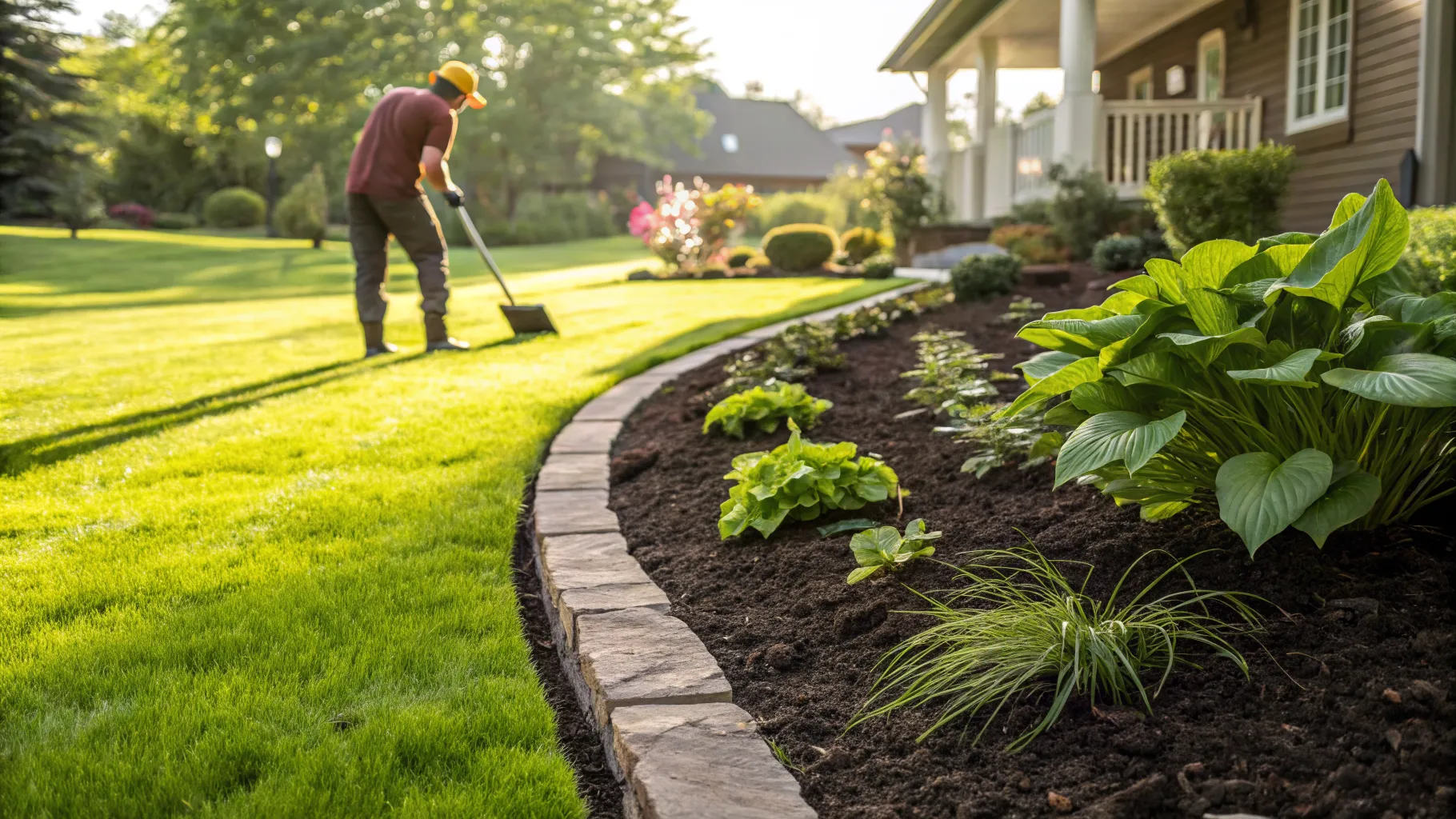
Mulching is arguably the single most effective technique in the arsenal of weed prevention methods. Applying a 2-4 inch layer of organic mulch (like wood chips, straw, or shredded leaves) over your garden beds serves multiple purposes. It blocks sunlight, preventing weed seeds from germinating. It also retains soil moisture, regulates soil temperature, and adds organic matter to the soil as it decomposes. For stubborn areas, consider laying down a layer of cardboard or newspaper before mulching to create an additional light-blocking barrier. This is a cornerstone of how to stop weeds from coming back.
Advanced Techniques for Lawn Weed Management
A lush, dense lawn is its own best defense against weeds. Effective lawn weed management is less about treating weeds and more about cultivating healthy grass. Weeds are opportunists that thrive in bare spots, compacted soil, and stressed turf. By focusing on lawn health, you create an environment where grass outcompetes weeds for sunlight, water, and nutrients. This proactive approach is essential for long term weed control across your entire property.
- Mow High: Set your mower blades to a higher setting (around 3-4 inches for most grass types). Taller grass blades create more shade on the soil, which helps to prevent weed seeds like crabgrass from germinating.
- Water Deeply and Infrequently: Watering deeply encourages your grass to develop deep, drought-resistant roots. Shallow, frequent watering encourages shallow-rooted weeds and creates a constantly damp surface ideal for their growth.
- Aerate and Overseed: Compacted soil stresses grass and creates an ideal environment for weeds. Annual core aeration relieves compaction, and overseeding immediately after fills in bare patches, thickening the turf and making it difficult for weeds to establish.
Chemical vs. Organic: Choosing Your Control Strategy
When manual methods aren't enough, you may need to consider other interventions. The choice between chemical and organic controls is a personal one. Pre-emergent herbicides, applied in early spring, create a chemical barrier that prevents seeds from germinating. They are a powerful tool for how to stop weeds from coming back, especially for lawns plagued by annuals. Post-emergent herbicides target existing weeds. On the organic side, options include horticultural vinegar (acetic acid), flame weeding, and even boiling water for cracks in pavement. While often requiring more frequent application, these methods can be effective components of a plan for preventing weeds in gardens without synthetic chemicals.
Frequently Asked Questions
What is the most effective method for long term weed control?
The most effective strategy for long term weed control is an integrated approach that combines several techniques. It starts with improving soil health, applying a thick layer of mulch in garden beds, and maintaining a dense, healthy lawn. Combining these foundational weed prevention methods with diligent removal of any weeds that do sprout before they set seed will drastically reduce weed populations over time.
How does proper lawn weed management work?
Proper lawn weed management focuses on creating a robust turf that naturally outcompetes weeds. Key practices include mowing high to shade the soil, watering deeply to encourage strong grass roots, and annual aeration and overseeding to ensure turf density. A thick lawn leaves no physical space or resources for weeds to take hold, which is fundamental to how to stop weeds from coming back.
Is it possible to succeed at preventing weeds in gardens without chemicals?
Absolutely. Success in preventing weeds in gardens organically is very achievable. The key is consistency. Utilize a thick layer of mulch, plant your desired flowers and vegetables densely to shade out weeds, and use tools like a scuffle hoe to slice off small weeds at the surface before they become established. Hand-pulling after a rain when the soil is soft is also highly effective.
References
- University of California Agriculture & Natural Resources - Weed Management in Landscapes
- The Royal Horticultural Society - Weed Control Guide
- Cornell University Cooperative Extension - Lawn Care and Weed Management Basics
- United States Department of Agriculture - Sustainable Weed Management