How to Stop Weeds from Coming Back: A Long-Term Weed Control Guide
Facts:
- A single weed plant can produce thousands of seeds.
- Proactive mulching reduces new weed growth by over 90%.
Understanding the Weed Lifecycle for Effective Prevention
The constant battle against unwanted plants is a frustration for many gardeners and homeowners. The key to winning this war is not just removing existing weeds, but implementing a strategy for how to stop weeds from coming back. This requires a deeper understanding of how weeds grow, spread, and thrive. By disrupting their lifecycle, you can achieve effective long term weed control and reclaim your outdoor spaces. This guide will walk you through the most reliable techniques and strategies, from proactive measures to ongoing maintenance, ensuring your lawn and garden remain pristine.
Proactive Weed Prevention Methods for Gardens
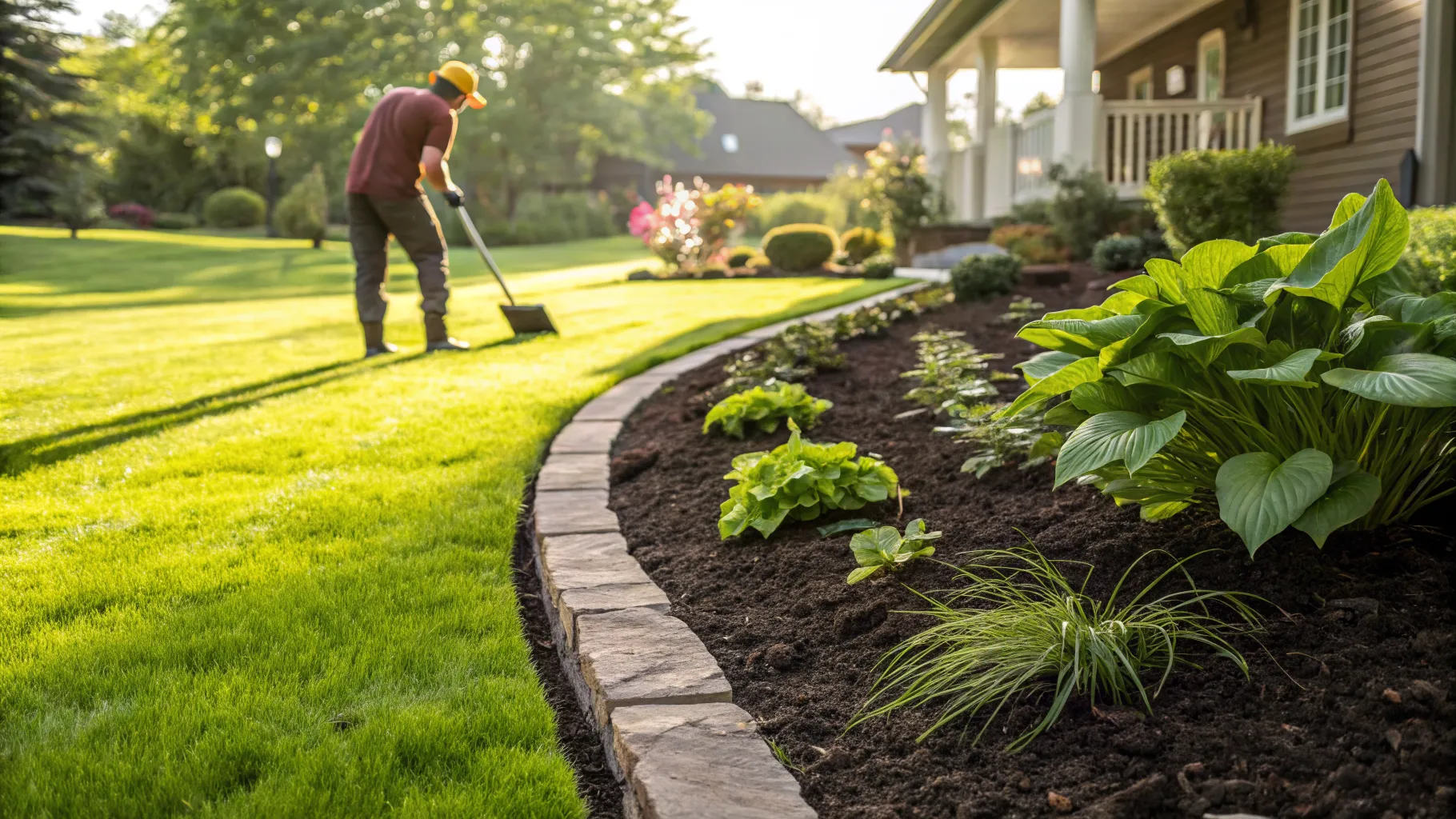
The most effective approach to preventing weeds in gardens is to stop them before they even have a chance to start. A proactive strategy saves you time and labor in the long run. Instead of waiting for weeds to appear, you create an environment that is inhospitable for them. This involves blocking sunlight, preventing seed germination, and giving your desired plants every advantage. These weed prevention methods are fundamental to sustainable and successful gardening.
Applying a Thick Layer of Mulch
Mulching is arguably the single most effective organic method for long term weed control. A layer of 2-4 inches of organic mulch (like wood chips, straw, or shredded leaves) blocks sunlight from reaching the soil surface, preventing dormant weed seeds from germinating. It also helps retain soil moisture and regulate temperature, which benefits your plants. As the mulch breaks down, it enriches the soil, further promoting healthy plant growth that can outcompete potential weeds.
Utilizing Landscape Fabric or Barriers
For a more robust barrier, landscape fabric can be laid down before planting or adding mulch. This physical barrier is highly effective at stopping persistent weeds from pushing through the soil. While effective, it's important to choose a high-quality, permeable fabric that allows water and air to reach the soil. This method is a core component of learning how to stop weeds from coming back, especially in ornamental beds or pathways where you want minimal maintenance.
Using Pre-Emergent Herbicides
Pre-emergent herbicides work by creating a chemical barrier in the top layer of soil that prevents weed seeds from successfully germinating. They don't kill existing plants, only stop new ones from sprouting. Applying a pre-emergent in early spring and again in the fall is a cornerstone of professional lawn weed management and can be just as effective in garden beds. It's a powerful tool for preventing annual weeds like crabgrass and purslane.
Mastering Lawn Weed Management
A thick, healthy lawn is its own best defense against weeds. Proper lawn weed management focuses on promoting turf health to naturally crowd out and smother any potential invaders. Weeds are opportunistic and thrive in lawns that are thin, stressed, or poorly maintained. Mowing your grass at the correct height (generally higher is better) allows the grass blades to shade the soil, preventing weed seeds from getting the light they need. Consistent watering and a balanced fertilization schedule will encourage deep root growth and dense turf, leaving no room for weeds to establish themselves. This holistic approach is essential for achieving sustainable, long term weed control.
Comparing Chemical vs. Organic Control Strategies
When deciding on weed prevention methods, gardeners often weigh the pros and cons of chemical versus organic approaches. Chemical options, like selective and non-selective herbicides, can offer fast and effective results but may carry environmental risks and require careful handling. Organic methods, such as manual pulling, mulching, and using corn gluten meal as a natural pre-emergent, are safer for the ecosystem, pets, and children. However, they can be more labor-intensive and may require more consistent application. The best strategy for how to stop weeds from coming back often involves an integrated approach, using organic methods as the primary defense and reserving targeted chemical applications for severe infestations.
Actionable Steps for a Weed-Free Yard
Achieving a weed-free landscape is a continuous process, not a one-time fix. Following a consistent plan is the key to success. Here are actionable steps that combine various weed prevention methods for a comprehensive strategy.
- Identify Your Weeds: Knowing whether you're dealing with annuals, perennials, broadleaf, or grassy weeds will determine the most effective removal and prevention strategy. Different weeds require different solutions.
- Remove Existing Weeds Correctly: For perennial weeds, ensure you remove the entire root system. Leaving fragments behind can allow them to regrow. For annuals, remove them before they go to seed to prevent future generations.
- Improve Your Soil Health: Compacted, nutrient-poor soil stresses desirable plants and creates an ideal environment for hardy weeds. Aerate your lawn and amend your garden soil with compost to encourage strong, competitive plant growth.
- Cover Bare Ground: Don't leave soil exposed. Use mulch in garden beds and consider overseeding your lawn in the fall to fill in thin patches. This is a crucial step for preventing weeds in gardens and lawns.
- Maintain a Regular Schedule: Consistently monitor for new weeds and remove them while they are small and easy to manage. Reapply mulch as it decomposes and stick to your pre-emergent herbicide schedule for ongoing lawn weed management.
Frequently Asked Questions
What is the most effective method for how to stop weeds from coming back?
The most effective method is an integrated approach that combines multiple strategies. This includes proactive measures like applying a thick layer of mulch, maintaining dense and healthy turf in your lawn, using pre-emergent herbicides in the spring and fall, and removing any new weeds promptly before they can establish themselves and produce seeds. There is no single magic bullet; consistent, multi-faceted long term weed control is key.
How does proper lawn care contribute to lawn weed management?
Proper lawn care is the foundation of effective lawn weed management. Mowing high, watering deeply but infrequently, and fertilizing appropriately creates a thick, vigorous turf. This dense grass canopy shades the soil, preventing weed seeds from germinating, and its strong root system outcompetes weeds for water and nutrients, naturally choking them out.
Are there permanent weed prevention methods?
While no method is 100% permanent, certain strategies offer very effective long term weed control. Installing high-quality landscape fabric under a deep layer of stone or mulch in non-planting areas can prevent weed growth for many years. However, all areas require some level of maintenance, as wind can blow in new seeds that may germinate on top of these barriers over time. The goal is management and drastic reduction, not complete, permanent eradication.
References
- University Agricultural Extension Studies on Integrated Weed Management
- Horticultural Science Journals
- National Gardening Association Publications
- Turfgrass Management Research Papers