How to Stop Weeds from Coming Back: A Guide to Long Term Weed Control
Facts:
- A single weed plant can produce thousands of viable seeds.
- A major trend for gardeners is using organic weed prevention methods.
The Foundation of a Weed-Free Yard: Proactive Strategies
The constant battle against unwanted plants can feel like a losing effort. You spend hours pulling, spraying, and digging, only to see them resurface weeks later. The secret to winning this war is shifting from a reactive to a proactive mindset. Understanding how to stop weeds from coming back involves creating an environment where they simply cannot thrive. This guide will delve into effective weed prevention methods and strategies for long term weed control, ensuring your garden and lawn remain beautiful and healthy.
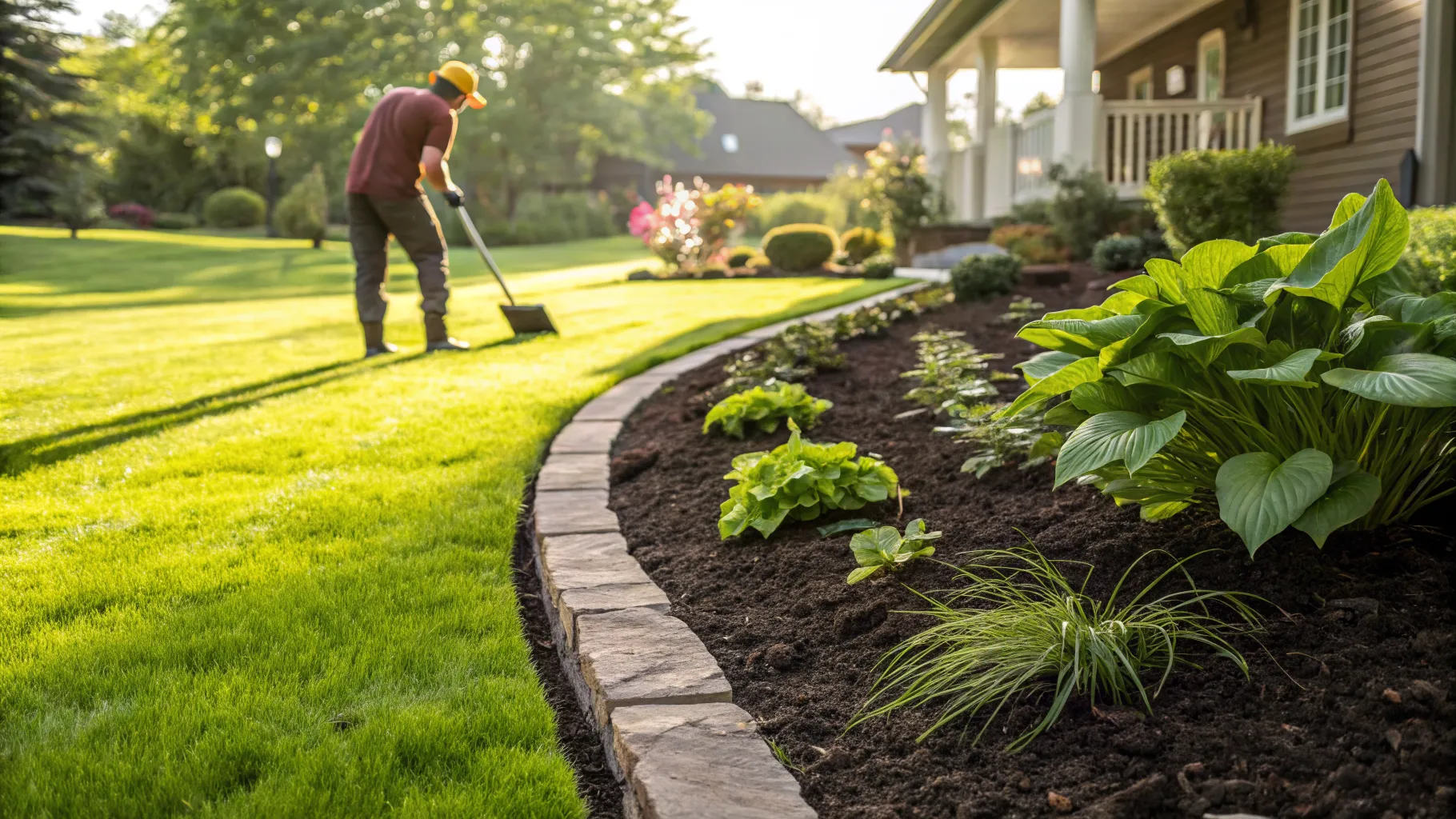
Fortifying Your Garden Beds Against Invaders
Your garden is a prime target for weeds, as the loose, nutrient-rich soil is an ideal environment for germination. The cornerstone of preventing weeds in gardens is to block their access to sunlight and soil. One of the most effective techniques is applying a thick layer of organic mulch, such as wood chips or straw, around your plants. This layer acts as a physical barrier, smothers existing small weeds, and prevents new seeds from reaching the soil and sunlight they need to sprout. For an even stronger defense, consider laying down landscape fabric before mulching. This permeable material allows water and air to reach plant roots but forms an impenetrable shield against weeds. Combining these methods provides a powerful, two-pronged approach to long term weed control in your garden beds, significantly reducing the time you spend on maintenance.
Mastering Lawn Weed Management for a Pristine Turf
A lush, dense lawn is your best defense against weeds. A comprehensive lawn weed management plan focuses on cultivating healthy turf that naturally crowds out and outcompetes invasive plants. Start by adjusting your mowing height. Taller grass blades (around 3 inches) create shade over the soil surface, which inhibits the germination of sun-loving weeds like crabgrass. Deep, infrequent watering encourages your grass to develop a deep, robust root system, making it more resilient than shallow-rooted weeds. Furthermore, annual aeration and overseeding are critical. Aeration relieves soil compaction, allowing water and nutrients to penetrate, while overseeding fills in bare patches, leaving no room for weeds to establish. A consistent fertilization schedule tailored to your grass type will ensure it has the nutrients needed to thrive, forming a thick carpet that is the envy of the neighborhood and the nemesis of weeds. This integrated approach is fundamental to understanding how to stop weeds from coming back.
Chemical vs. Organic: Choosing Your Long Term Weed Control Arsenal
When it comes to active intervention, you have two primary paths: chemical and organic. Each offers distinct advantages for achieving long term weed control. Chemical options include pre-emergent herbicides, which are applied in early spring to create a barrier that stops weed seeds from germinating, and post-emergent herbicides, which target existing weeds. It's crucial to choose the right formula (selective vs. non-selective) for your situation to avoid harming your lawn or garden plants. On the other hand, organic weed prevention methods are gaining popularity. Corn gluten meal acts as a natural pre-emergent. Horticultural vinegar (with a higher acetic acid concentration than household vinegar) can be used as a post-emergent spray to burn down weeds. Even boiling water can be effective for weeds in pavement cracks. While organic methods may require more frequent application, they are an excellent choice for those seeking an eco-friendly solution for preventing weeds in gardens and lawns.
Advanced Techniques for Tackling Persistent Weeds
Sometimes, standard methods aren't enough for deeply entrenched or widespread weed problems. For stubborn perennial weeds with deep taproots, such as dandelions or thistle, manual removal with a specialized weeding tool is often the most effective solution. Ensure you remove the entire root system, as any fragment left behind can regrow. For clearing large, heavily infested areas before planting a new garden, soil solarization is a powerful, chemical-free technique. This involves covering the moist soil with clear plastic for 4-6 weeks during the hottest part of the year. The heat trapped underneath effectively kills most weeds, seeds, and soil-borne pathogens. Adopting these advanced tactics is a key part of a robust strategy for how to stop weeds from coming back year after year.
A Seasonal Checklist for Year-Round Weed Prevention
Effective weed control is not a one-time task but a year-round commitment. Following a seasonal plan ensures you are always one step ahead. These proactive weed prevention methods will keep your yard looking its best.
- Early Spring: This is the most critical time. Apply a pre-emergent herbicide or corn gluten meal to your lawn and garden beds before soil temperatures consistently reach 55°F. This will prevent crabgrass and other annual weeds from germinating. Clean up any winter debris that could be harboring weed seeds.
- Late Spring/Summer: Focus on maintaining a healthy lawn through proper mowing and watering. Spot-treat any weeds that appear before they go to seed. Apply a 2-3 inch layer of fresh mulch to garden beds to retain moisture and suppress new weed growth. This is a crucial phase for ongoing lawn weed management.
- Fall: As the weather cools, it's the ideal time to apply a post-emergent herbicide for broadleaf perennial weeds, as they are actively transporting nutrients to their roots. Continue to mow your lawn until it goes dormant. Aerate and overseed your lawn to ensure it comes back thick and strong next spring, which is vital for preventing weeds in gardens and lawns alike.
Frequently Asked Questions
What are the most effective weed prevention methods for a vegetable garden?
For vegetable gardens, the best approach is multi-layered. Start with a thick layer of organic mulch like straw or shredded leaves. This not only suppresses weeds but also conserves moisture and adds organic matter to the soil as it breaks down. Additionally, practice crop rotation and use cover crops in the off-season to keep the soil covered and prevent weeds from taking hold.
How often should I apply treatments for effective lawn weed management?
The frequency depends on the treatment. Pre-emergent herbicides are typically applied once in early spring and sometimes again in the fall, depending on your climate and target weeds. Post-emergent treatments should be applied as needed when you see weeds actively growing. A regular fertilization schedule, typically 2-4 times per year, is also a key part of preventative lawn weed management.
Is it possible to achieve long term weed control without using any chemicals?
Absolutely. Achieving long term weed control organically requires dedication and a focus on soil health and prevention. Consistent mulching, hand-weeding before plants set seed, using landscape fabric, and promoting a dense, healthy lawn are all highly effective non-chemical strategies. Organic options like corn gluten meal and horticultural vinegar can also be incorporated into your routine.
References
- University Agricultural Extension Studies on Integrated Weed Management
- Horticultural Science Journals
- Organic Gardeners' Association Publications
- National Pest Management Association Guidelines