How to Remove Odors from a House: Your Ultimate Guide
Facts:
- The human nose can detect over 1 trillion different scents.
- DIY air fresheners are a growing trend for homeowners wanting to get rid of house smells.
Pinpointing the Source: The Crucial First Step to Eliminate Bad Odors at Home
Before you can effectively address a bad smell, a thorough understanding how to remove odors from a house begins with identifying the root cause. Masking a scent with air fresheners is only a temporary fix; for a lasting solution, you must find and eliminate the source. Common culprits include hidden spills, mildew in damp areas, pet accidents, lingering cooking smells, and trash receptacles. A systematic check of your home is necessary. Start by inspecting areas prone to moisture like basements, bathrooms, and under sinks. Check carpets and upholstery for old stains. The key to successfully get rid of house smells is not just cleaning, but detective work to ensure the problem doesn't return. Once you locate the source, you can apply the correct method to eliminate bad odors at home permanently.
Natural and DIY Solutions to Get Rid of House Smells
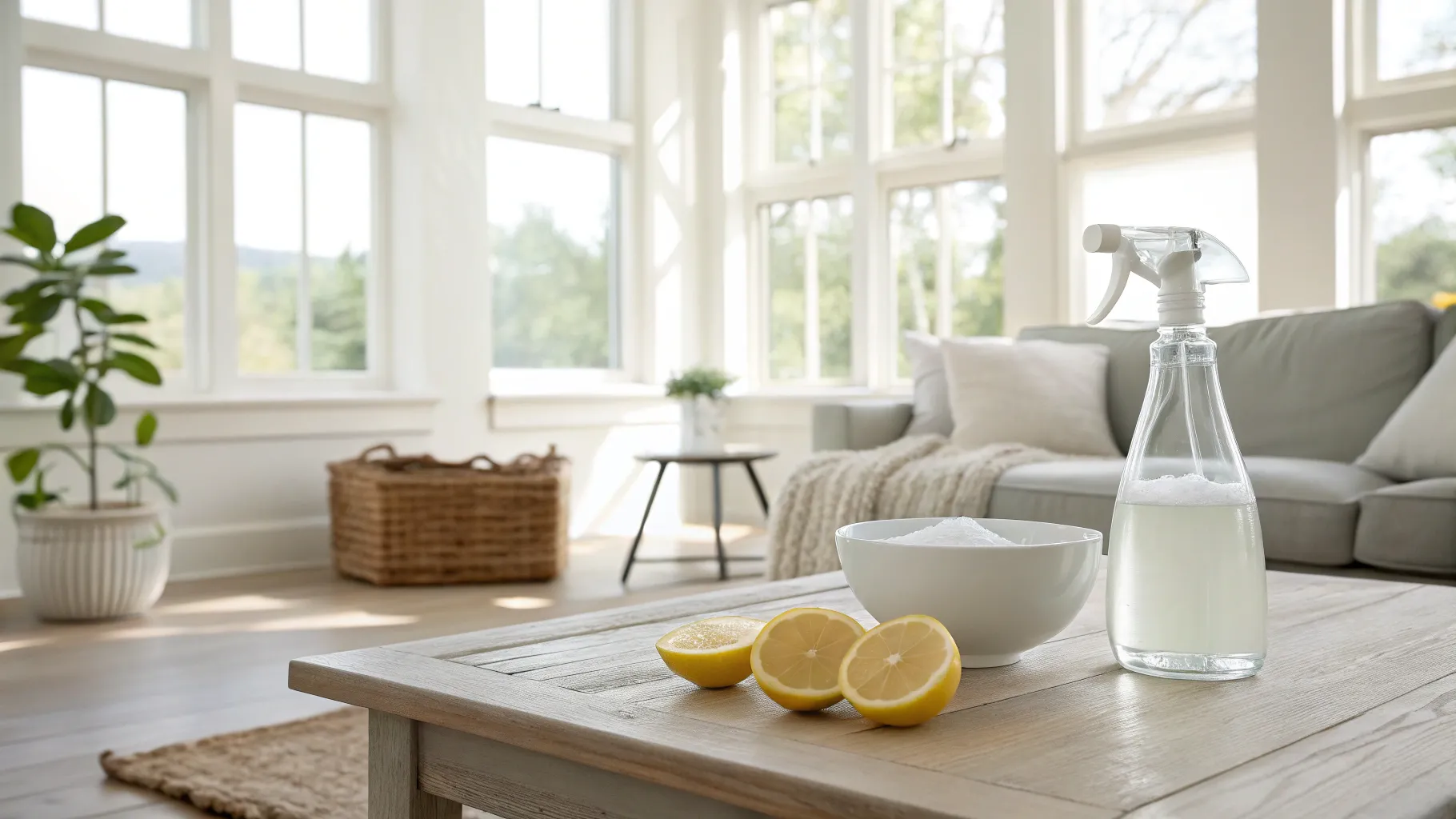
Many effective odor eliminators are likely already in your kitchen pantry. These natural solutions are cost-effective, non-toxic, and surprisingly powerful. Baking soda is a classic for a reason; it absorbs odors rather than just covering them up. Place open boxes in your refrigerator, closets, or sprinkle it on carpets before vacuuming. White vinegar is another powerhouse. Its acidic nature neutralizes alkaline odors. A small bowl of vinegar left out overnight can absorb strong smells from cooking or smoke. For a more pleasant scent, you can simmer a pot of water with citrus peels, cinnamon sticks, and cloves on the stove. This acts as a natural air freshener. Activated charcoal is also highly effective for absorbing moisture and odors, making it ideal for musty closets or basements. Utilizing these simple items is a cornerstone of understanding how to remove odors from a house without resorting to harsh chemicals.
Deep Cleaning Strategies to Remove Persistent Home Odors
Sometimes, surface-level cleaning isn't enough to remove persistent home odors that have seeped into porous materials. A deep cleaning regimen is essential. Start with soft surfaces, as fabrics are notorious for trapping smells. Steam clean your carpets, rugs, and upholstery to kill odor-causing bacteria. Wash all curtains, bedding, and throw pillow covers. For hard surfaces like walls and floors, use a cleaning solution of water and white vinegar. Don't forget often-overlooked areas like garbage disposals, dishwashers, and washing machines. Running a cleaning cycle with a specialized cleaner or a cup of vinegar can make a significant difference. Cleaning out your drains can also help eliminate bad odors at home that seem to have no source. This comprehensive approach is vital for anyone serious about creating a fresh and clean living environment.
Tackling Tough Odors: Specialized Techniques for Smoke, Pets, and Mildew
Certain odors are notoriously difficult to remove and require a more targeted approach. Cigarette smoke, for instance, permeates every surface. To combat it, you must wash walls and ceilings with a solution containing trisodium phosphate (TSP), repaint with an odor-blocking primer, and clean all fabrics thoroughly. For pet odors, enzymatic cleaners are your best friend. These cleaners contain enzymes that break down the organic proteins in urine, feces, and vomit, completely eliminating the smell at its source. When you find a pet accident, it's crucial to use an enzymatic cleaner to not only get rid of house smells but also to prevent your pet from marking the same spot again. Mildew smells indicate a moisture problem that must be addressed. Find and fix the leak or source of humidity, then clean the affected area with a bleach solution or a specialized mildew remover. A solid understanding how to remove odors from a house means knowing which specific tool to use for each specific problem.
Maintaining a Fresh Home: Proactive Tips for Odor Prevention
The best way to deal with bad smells is to prevent them from occurring in the first place. Regular maintenance and good habits are key to keeping your home smelling fresh. Ensure good ventilation by opening windows daily, even for just a few minutes, to let fresh air circulate. Use exhaust fans in kitchens and bathrooms to remove moisture and cooking smells immediately. Take out the trash regularly and clean the bin itself to prevent lingering garbage odors. For those wanting to remove persistent home odors for good, consistency is everything. Clean up spills as soon as they happen, vacuum carpets frequently, and wash bedding weekly. Placing air purifiers with HEPA and carbon filters in key areas of your home can also continuously work to capture airborne particles and eliminate bad odors at home, providing a long-term solution for clean air.
Frequently Asked Questions
How can I quickly get rid of house smells before guests arrive?
For a quick fix, start by opening windows to ventilate the space. Then, simmer a pot of water on the stove with lemon slices and rosemary. You can also lightly spray fabrics with a mix of water and a few drops of essential oil. Finally, check and empty all trash cans. This is a fast way to improve the smell of your home in under an hour and demonstrates a basic understanding how to remove odors from a house effectively.
What is the most effective way to remove persistent home odors from fabrics?
To remove persistent home odors from fabrics like carpets or sofas, sprinkling baking soda liberally over the surface is highly effective. Let it sit for several hours, or even overnight, to absorb the odors. Afterwards, vacuum it up thoroughly. For washable fabrics like curtains or blankets, add a cup of white vinegar to the wash cycle along with your regular detergent. This will help neutralize and remove stubborn smells.
Can household plants help eliminate bad odors at home?
Yes, certain houseplants can act as natural air purifiers and help eliminate bad odors at home. Plants like Snake Plants, Spider Plants, and Peace Lilies are known for their ability to filter common indoor pollutants and freshen the air. While they may not tackle strong, concentrated smells on their own, they contribute to a cleaner, fresher overall indoor environment as part of a larger strategy.
References
- The Effectiveness of Activated Carbon in Odor Removal
- A Guide to Natural Cleaning Agents
- Indoor Air Quality and Its Impact on Health
- Advanced Techniques for Smoke and Pet Odor Remediation