How to Remove Dark Spots on the Face: A Complete 2026 Guide
Facts:
- Over 50% of individuals globally experience some form of hyperpigmentation.
- Topical treatments with Niacinamide and Vitamin C are a major trend in dark spot skincare.
Understanding the Root Causes of Dark Spots on Your Face
Dealing with stubborn marks on your skin can be frustrating, and many people are constantly searching for effective ways for how to remove dark spots on the face. These spots, medically known as facial hyperpigmentation, are a common dermatological concern that occurs when patches of skin become darker than the surrounding area. This darkening happens because of an overproduction of melanin, the pigment that gives skin its color. The primary triggers include sun exposure, hormonal fluctuations (melasma), inflammation from acne (post-inflammatory hyperpigmentation), and skin injuries. Understanding the specific cause of your dark spots on face is the first critical step toward selecting the most effective treatment plan and achieving a clear, uneven skin tone.
Key Topical Ingredients for Effective Dark Spot Skincare
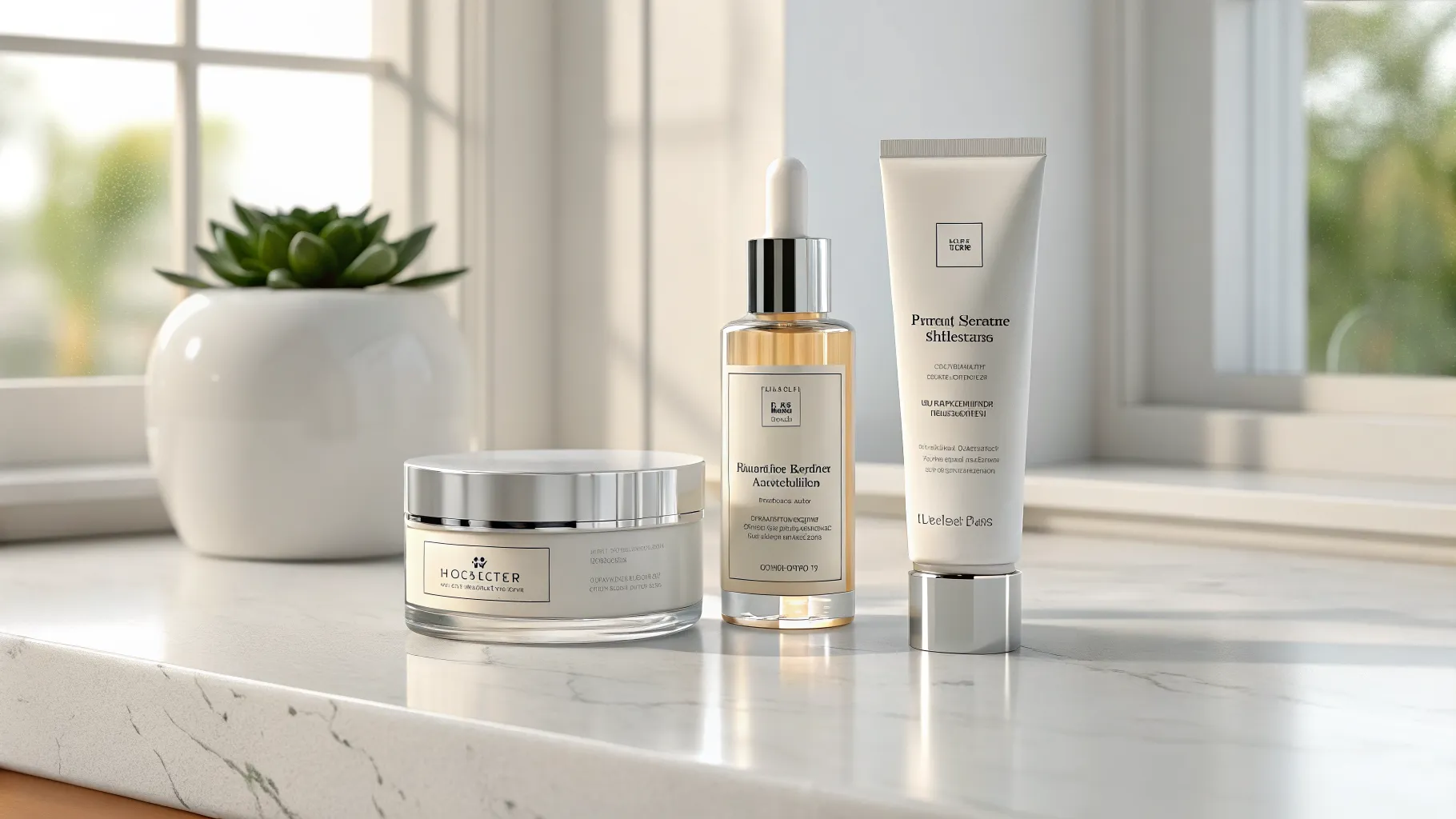
When starting your journey on how to remove dark spots on the face, incorporating powerful active ingredients into your routine is essential. Over-the-counter and prescription topicals offer a range of solutions to tackle facial hyperpigmentation directly. Look for products containing Vitamin C, a potent antioxidant that not only brightens the skin but also inhibits melanin production and protects against UV damage. Niacinamide (Vitamin B3) is another hero ingredient, known for its ability to reduce the transfer of pigment within skin cells, thereby fading dark spots on face and improving skin texture. Retinoids, derived from Vitamin A, accelerate cell turnover, pushing pigmented cells to the surface to be sloughed away. Other effective agents include azelaic acid, which is great for post-inflammatory hyperpigmentation, and kojic acid, which helps to suppress melanin formation. Using these ingredients consistently is a cornerstone of any successful dark spot skincare strategy.
Professional Treatments for Stubborn Facial Hyperpigmentation
For more persistent or deeper dark spots on face, professional dermatological treatments may be necessary. These procedures offer more dramatic and faster results than topical treatments alone. Chemical peels, for instance, use acids like glycolic or salicylic acid to exfoliate the top layers of the skin, revealing a brighter and more uneven skin tone underneath. Laser therapy, such as Intense Pulsed Light (IPL) or fractional lasers, targets melanin with concentrated light energy, breaking up the pigment without harming the surrounding skin. This is a highly effective method for those wondering how to remove dark spots on the face that are particularly stubborn. Microdermabrasion is a less aggressive option that physically exfoliates the skin's surface. Consulting with a board-certified dermatologist is crucial to determine the safest and most effective professional treatment for your specific type of facial hyperpigmentation.
Building a Daily Skincare Routine for an Uneven Skin Tone
A consistent daily routine is non-negotiable for managing an uneven skin tone and preventing new spots from forming. An effective regimen targets pigmentation at every stage. Here is a sample routine to guide you:
- Morning Routine: Start with a gentle cleanser to avoid irritation. Follow up with an antioxidant serum, like Vitamin C, to protect your skin from environmental damage. Apply a hydrating moisturizer, and finish with a broad-spectrum sunscreen with an SPF of 30 or higher. Sunscreen is the most critical step in any dark spot skincare plan.
- Evening Routine: Begin by thoroughly cleansing your face to remove makeup and impurities. Two to three times a week, use a chemical exfoliant to promote cell turnover. Apply a targeted treatment serum containing ingredients like retinoids or niacinamide to address the dark spots on face. Conclude with a nourishing moisturizer to support your skin's barrier overnight. This structured approach is fundamental to learning how to remove dark spots on the face and maintaining results.
The Critical Role of Sun Protection in Preventing Dark Spots
While treatment is important, prevention is the ultimate strategy for dealing with facial hyperpigmentation. The single most significant cause of new and worsening dark spots is exposure to ultraviolet (UV) radiation from the sun. UV rays stimulate melanocytes, the skin cells that produce melanin, leading to the formation of an uneven skin tone and making existing spots darker. Therefore, diligent, year-round sun protection is paramount. This means applying a broad-spectrum sunscreen with at least SPF 30 every single day, even when it's cloudy or you're indoors, as UVA rays can penetrate windows. Reapplication every two hours during prolonged sun exposure is also essential. Wearing protective clothing, such as wide-brimmed hats and sunglasses, provides an additional layer of defense. Without strict sun protection, any progress made with your dark spot skincare routine will be quickly undone.
Natural Approaches and Lifestyle Habits
While clinical treatments are highly effective, certain lifestyle adjustments and natural ingredients can support your efforts to manage facial hyperpigmentation. A diet rich in antioxidants from fruits and vegetables can help protect the skin from oxidative stress, a factor that can contribute to an uneven skin tone. Ingredients like licorice root extract and soy have shown mild pigment-lightening properties in some studies, though they are less potent than their clinical counterparts. It is also crucial to avoid picking at acne or other skin lesions, as this trauma is a direct cause of post-inflammatory hyperpigmentation. Managing stress and ensuring adequate sleep can also support overall skin health and resilience. While these methods are not a standalone solution for how to remove dark spots on the face, they are a valuable part of a holistic approach.
Frequently Asked Questions
How long does it take to see results when learning how to remove dark spots on the face?
Results vary depending on the depth of the pigmentation and the consistency of the treatment. With topical dark spot skincare, you may start to see improvements in 4 to 12 weeks. Professional treatments like laser or chemical peels can yield faster results, sometimes visible after just one session, but a series of treatments is often required for optimal outcomes.
Can dark spots on face return after treatment?
Yes, facial hyperpigmentation can return, especially if the underlying cause is not addressed. Sun exposure is the most common reason for recurrence. Therefore, maintaining a diligent sun protection routine and a consistent skincare regimen is crucial to prevent the spots from coming back.
Is a dedicated dark spot skincare routine expensive?
It can be, but it doesn't have to be. There are many effective and affordable drugstore products containing key ingredients like niacinamide, vitamin C, and azelaic acid. While professional treatments represent a larger investment, a solid, budget-friendly home routine can make a significant difference in managing an uneven skin tone.
References
- Journal of Clinical and Aesthetic Dermatology
- American Academy of Dermatology Association
- International Journal of Cosmetic Science
- Studies on Skin Photobiology and Hyperpigmentation