How to Remove Dark Spots on the Face: A Complete Guide
Facts:
- Hyperpigmentation affects millions of people worldwide across all skin types.
- A growing trend is the use of tranexamic acid in dark spot skincare.
Understanding the Root Causes of Dark Spots on Your Face
Before diving into solutions, it's crucial to understand why you might be seeing dark spots on face. This common skin concern, known clinically as facial hyperpigmentation, occurs when certain areas of the skin produce more melanin than usual. Melanin is the pigment that gives our skin, hair, and eyes their color. An overproduction can be triggered by several factors, including sun exposure, hormonal fluctuations (like melasma), inflammation from acne (post-inflammatory hyperpigmentation), or even aging. Knowing the cause is the first step in learning how to remove dark spots on the face effectively and preventing an uneven skin tone. A targeted approach is always more successful than a generic one.
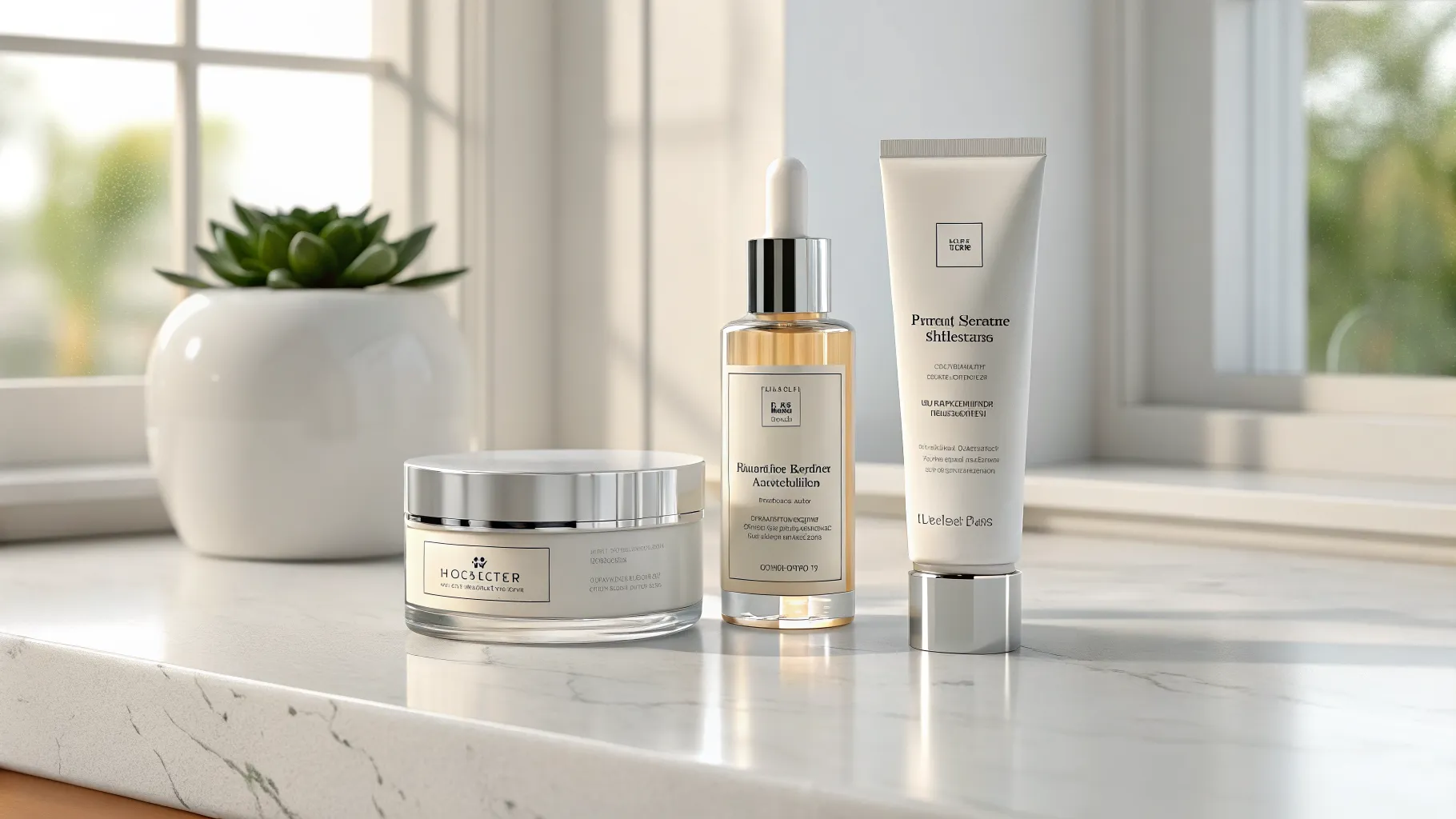
Topical Treatments: Your First Line of Defense in Dark Spot Skincare
The most accessible path to treating facial hyperpigmentation starts with a consistent, targeted skincare routine. Over-the-counter and prescription topical treatments can significantly lighten dark spots and promote a more uneven skin tone. The key is to choose products with proven ingredients and use them diligently. Consistency is paramount when it comes to effective dark spot skincare.
Vitamin C Serums
Vitamin C is a potent antioxidant that not only protects the skin from free radical damage but also inhibits melanin production. Regular use can brighten the complexion and fade the appearance of dark spots on face. Look for serums with L-ascorbic acid for maximum efficacy.
Retinoids (Retinol and Tretinoin)
Retinoids are vitamin A derivatives that accelerate skin cell turnover. This process pushes pigmented cells to the surface, where they are sloughed off, revealing newer, more evenly toned skin underneath. They are a cornerstone for anyone researching how to remove dark spots on the face.
Niacinamide
Also known as vitamin B3, niacinamide is a versatile ingredient that helps reduce the transfer of pigment within skin cells. This results in a brighter, more even complexion and is an excellent component of any dark spot skincare regimen for sensitive skin.
Alpha Hydroxy Acids (AHAs)
Acids like glycolic acid and lactic acid work by exfoliating the skin's surface. This chemical exfoliation helps remove dead, pigmented skin cells, which can diminish the appearance of dark spots on face and improve overall skin texture.
Advanced Dermatological Procedures for Stubborn Hyperpigmentation
When topical treatments aren't enough to resolve persistent facial hyperpigmentation, professional procedures offer more powerful solutions. These treatments should always be performed by a board-certified dermatologist who can assess your skin type and recommend the safest, most effective option for addressing your concerns about how to remove dark spots on the face.
- Chemical Peels: A dermatologist applies a chemical solution to the skin, which causes it to exfoliate and eventually peel off. The new, regenerated skin is usually smoother and less pigmented.
- Laser Therapy (IPL/Fractional Lasers): Intense Pulsed Light (IPL) and fractional lasers use targeted light energy to break down melanin in the skin. This is a highly effective but more intensive method for treating dark spots on face.
- Microdermabrasion: This procedure uses a minimally abrasive instrument to gently sand your skin, removing the thicker, uneven outer layer. It's often used for lighter spots and to improve overall skin tone.
A Proactive Skincare Routine to Prevent Uneven Skin Tone
Prevention is just as important as treatment. Adopting a daily skincare routine focused on protection and maintenance is the best way to prevent new dark spots on face from forming and to maintain a clear, uneven skin tone. This is a crucial, non-negotiable part of your dark spot skincare strategy.
- Daily Sunscreen Use: Sun protection is the single most important step. UV radiation triggers melanin production. Use a broad-spectrum sunscreen with an SPF of 30 or higher every single day, even when it's cloudy.
- Gentle Exfoliation: Incorporate a gentle exfoliant (like a mild AHA) into your routine 2-3 times a week to prevent the buildup of dead skin cells that can contribute to a dull, uneven appearance.
- Antioxidant Protection: Use products rich in antioxidants, like Vitamin C, to protect your skin from environmental stressors that can lead to inflammation and hyperpigmentation.
- Avoid Picking at Blemishes: Squeezing or picking at acne can cause post-inflammatory hyperpigmentation, leaving behind a dark spot long after the pimple has healed.
Lifestyle and Dietary Factors That Influence Hyperpigmentation
Your daily habits can significantly impact your skin's health and its tendency to develop facial hyperpigmentation. While a good dark spot skincare routine is essential, a holistic approach often yields the best results. Consider how your diet, stress levels, and hormonal health might be affecting your skin. Foods rich in antioxidants, like berries, leafy greens, and nuts, can support skin health from the inside out. Managing stress and ensuring hormonal balance, where possible, can also play a role in preventing certain types of hyperpigmentation, such as melasma, which is often linked to hormonal changes. Taking these factors into account complements your efforts in learning how to remove dark spots on the face.
Frequently Asked Questions
How long does it take to remove dark spots on the face?
The time it takes to see results varies greatly depending on the cause, the depth of the pigment, and the treatment method. With consistent topical dark spot skincare, you may see gradual improvement in 8-12 weeks. Professional treatments can offer faster results.
Can facial hyperpigmentation be cured permanently?
While many dark spots can be significantly lightened or removed, hyperpigmentation can return, especially with sun exposure. Ongoing maintenance, particularly diligent sun protection, is crucial to prevent recurrence and maintain an uneven skin tone.
What is the most effective ingredient for dark spots on face?
Hydroquinone is often considered a gold standard by dermatologists for its potent pigment-lightening abilities, though it is available mostly by prescription. For over-the-counter options, a combination of retinoids, vitamin C, and AHAs is highly effective for many people looking into how to remove dark spots on the face.
References
- Journal of Clinical and Aesthetic Dermatology
- American Academy of Dermatology Association
- Skin Cancer Foundation Archives
- International Journal of Cosmetic Science