How to Prevent Stroke with Effective Healthy Lifestyle Tips
How to Prevent Stroke with Effective Strategies
Stroke remains one of the leading causes of death and disability worldwide. Recent studies estimate that nearly 795,000 people in the United States experience a stroke annually, highlighting the urgency of stroke prevention tips available today. With proper understanding and implementation of healthy lifestyle changes, the risk of stroke can significantly decrease. Here, we dive into evidence-based strategies on how to prevent stroke and improve heart health.
Understanding Stroke Prevention
To truly grasp how to prevent stroke, it is vital to understand the different types of strokes: ischemic strokes occur when a blood vessel supplying blood to the brain is obstructed, while hemorrhagic strokes happen when a blood vessel bursts. Each type has various risk factors, but many share common preventable causes.
- High blood pressure: Over 60% of individuals who suffer from their first stroke have high blood pressure.
- High cholesterol: Elevated cholesterol levels can lead to artery blockages.
- Diabetes: This condition can double the risk of stroke and requires careful management.
- Smoking: Cigarette smoke contains numerous harmful substances that can damage blood vessels.
- Obesity: Excess weight is linked to many cardiovascular conditions, including strokes.
By recognizing these factors, individuals can take personalized action to reduce their stroke risk.
Reduce Stroke Risk through Lifestyle Changes
Creating a healthy lifestyle for your heart is the cornerstone of stroke prevention. Many people wonder where to start. The following tips provide practical guidance for reducing risk:
Maintain a Healthy Diet
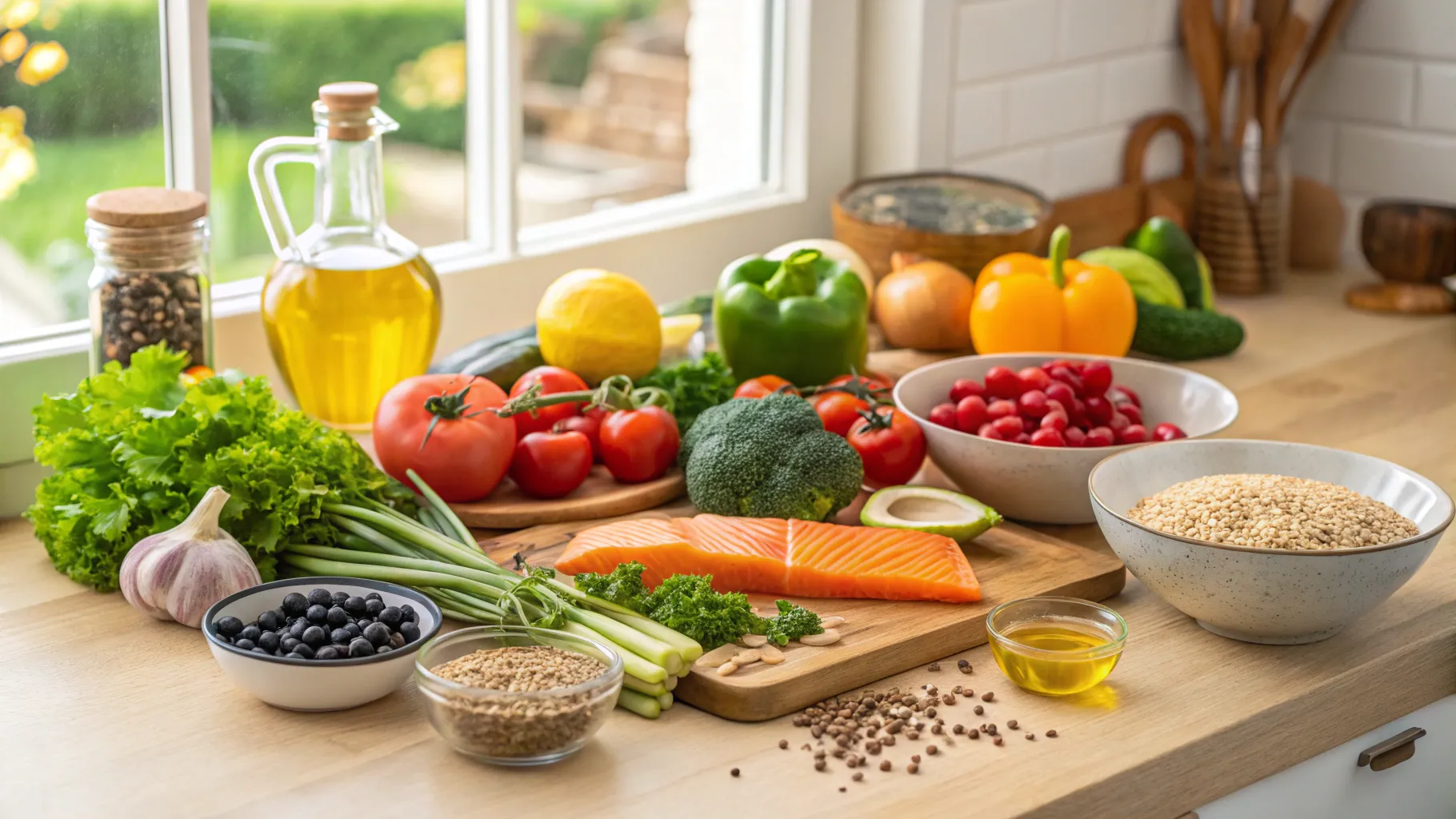
Nutrition plays a crucial role in heart health. A diet rich in fruits, vegetables, whole grains, and healthy fats can have a profound impact on stroke risk. The American Heart Association recommends the Mediterranean diet, which emphasizes:
- Olive oil, avocados, and nuts for healthy fats.
- Leafy greens, berries, and citrus fruits for essential vitamins and antioxidants.
- Whole grains like oats and brown rice for fiber and heart health.
Studies have shown that individuals who adhere to a Mediterranean diet can reduce their stroke risk by up to 25%. Incorporating these food groups into daily meals can lead to significant health improvement over time.
Exercise Regularly
Physical activity is an incredibly effective stroke prevention tip. Engaging in at least 150 minutes of moderate aerobic activity each week can help reduce high blood pressure, improve cholesterol levels, and maintain a healthy weight. Activities such as:
- Walking or jogging
- Swimming
- Cycling
- Strength training (at least twice a week)
have proven beneficial. A simple approach to integrating fitness into your routine is to take a brisk walk during lunch breaks or join a local fitness group for motivation.
Manage Stress Effectively
Stress is often overlooked as a stroke risk factor. Chronic stress can lead to high blood pressure and unhealthy coping mechanisms such as overeating or smoking. Techniques for stress management include:
- Mindfulness or meditation practices
- Deep breathing exercises
- Yoga or Tai Chi
- Engaging in hobbies that promote relaxation
Recent studies indicate that those who actively manage their stress levels are significantly less likely to experience strokes.
Regular Health Screenings
Many underlying conditions that increase stroke risk often go unnoticed. Regular check-ups with a healthcare provider can help monitor:
- Blood pressure
- Cholesterol levels
- Blood sugar levels
In 2024, screenings revealed that nearly 35% of people aged 40 and above remain unaware of their elevated blood pressure, putting them at risk. Early detection and treatment of these conditions are pivotal in stroke prevention.
Avoid Smoking and Limit Alcohol Consumption
Both smoking and excessive drinking significantly contribute to stroke risk. The CDC reports that individuals who smoke have a doubling of their stroke risk compared to non-smokers. If you are a smoker, seeking support to quit can be life-saving. In terms of alcohol consumption, the recommended limit is up to one drink per day for women and two for men. Reducing alcohol intake can lead to improved heart health.
Stay Hydrated
While often overlooked, staying hydrated is a straightforward way to enhance overall health. Dehydration can lead to thicker blood, increasing the chance of clots. Aim for at least 8 cups of water each day, adjusting for activity levels and climate. Tracking your water intake via your smartphone can be a simple and effective way to stay hydrated.
Understanding Your Risk
Genetics also plays a critical role in stroke risk, with family history being a considerable factor. It is essential to communicate with your family about any history of stroke or heart disease to understand personal risk better. Knowledge is power; utilizing family medical history can help guide preventive measures.
In this era of health technology, wearables that monitor heart rate and activity levels offer insights into your cardiovascular health. Tools like these can provide early warnings of changes in your body, prompting timely intervention.
Wrapping Up Your Stroke Prevention Journey
Ultimately, understanding how to prevent stroke is about taking actionable steps toward improving your health. By implementing these stroke prevention tips, such as maintaining a balanced diet, exercising regularly, managing stress, and keeping up with health screenings, you optimize your heart health and set the foundation for a longer, healthier life.
Starting today, consider which strategies you can incorporate into your lifestyle. The choices you make now will not only benefit you today but also protect your health in the future. Together, we can create a world where the threat of stroke diminishes, and health prevails for everyone.