Maximizing Device Lifespan: How to Maintain Male Vacuum Therapy Pumps
Facts:
- Regular maintenance significantly extends the operational life of medical devices.
- Global trends indicate a growing adoption of non-invasive therapies for male health and well-being.
Essential Practices for Optimal Male Vacuum Therapy Pump Performance
Ensuring the proper function and longevity of your male vacuum therapy pumps is paramount for effective treatment and user safety. Consistent and thorough pump maintenance not only preserves the integrity of the device but also prevents potential health issues associated with improper hygiene. This guide provides a comprehensive overview of how to maintain your device, focusing on critical steps for optimal performance and extended device longevity.
Step-by-Step Guide to Cleaning Your Male Vacuum Therapy Pump
Immediate Post-Use Cleaning
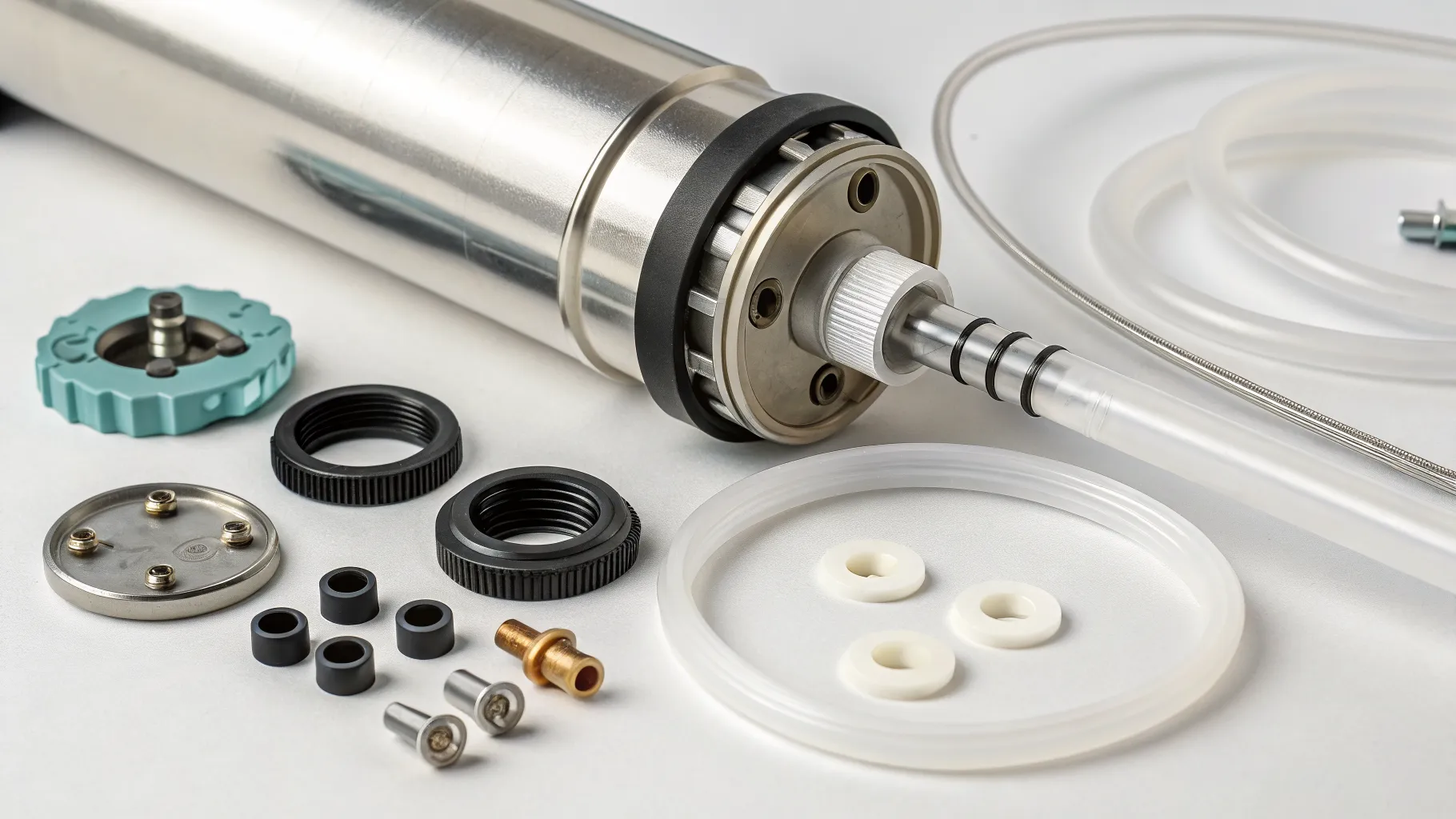
After each use of your male vacuum therapy pumps, immediate cleaning is crucial. Disassemble all separable components, including the cylinder, pump mechanism, and any seals or sleeves. Rinse each part thoroughly under warm running water to remove any immediate residue. This initial rinse helps prevent material from drying and hardening, making deeper cleaning more manageable and reducing the effort required for subsequent pump maintenance.
Deep Cleaning and Sterilization
For a more thorough clean, prepare a solution of mild, antibacterial soap and warm water. Using a soft cloth or a small, dedicated brush (like a soft toothbrush), gently scrub all surfaces of the disassembled components. Pay close attention to crevices, threads, and internal surfaces of the cylinder. Ensure all visible debris and biological material are removed. For complete vacuum pump hygiene, some users opt for medical-grade cleaning solutions, but always check the manufacturer's recommendations to avoid damaging materials. Rinse thoroughly again with clean water to remove all soap residue, as any lingering chemicals could irritate the skin or degrade the device materials over time.
Drying Procedures
Proper drying is as important as cleaning. After rinsing, shake off excess water and use a clean, lint-free cloth to pat dry each component. Allow all parts to air dry completely on a clean surface before reassembly or storage. Avoid using heat sources like hair dryers, as excessive heat can deform plastic components or degrade rubber seals, compromising seal integrity. Ensuring all parts are bone dry prevents the growth of mold, mildew, and bacteria, which is essential for maintaining optimal penile pump care and user health.
Maintaining Component Integrity and Functionality
Lubrication of Moving Parts
Many male vacuum therapy pumps include O-rings and seals that require occasional lubrication to maintain flexibility and create an airtight seal. Use only water-based lubricants recommended by the manufacturer. Apply a small amount to the O-rings and where the cylinder connects to the pump mechanism. This not only ensures smooth operation but also protects the rubber from drying out and cracking, which is vital for maintaining effective suction and extending the overall device longevity.
Inspection for Wear and Tear
Regularly inspect all components for any signs of wear and tear. Look for cracks, chips, or discoloration on the cylinder, especially near the edges. Check rubber seals and sleeves for tears, hardening, or loss of elasticity. Even minor damage can compromise the vacuum seal, reducing the effectiveness of the pump. The pump mechanism itself should be checked for smooth operation; any stiffness or unusual noises might indicate a need for professional inspection or replacement. This proactive approach to pump maintenance helps identify potential failures before they occur.
Battery Care (if applicable)
For battery-operated male vacuum therapy pumps, proper battery care is essential. Always use the charging cable and adapter provided by the manufacturer. Avoid overcharging and allow the battery to fully discharge periodically to maintain its health. Store the device with a partial charge if it will not be used for an extended period, and remove batteries if possible to prevent leakage and corrosion, thus safeguarding the electrical components and overall device longevity.
Proper Storage Techniques for Device Longevity
After cleaning and drying, store your male vacuum therapy pumps in a clean, dry, and cool environment. Many devices come with a dedicated case or bag, which is ideal for protecting them from dust, dirt, and accidental damage. Avoid storing the pump in direct sunlight or in areas with extreme temperature fluctuations, as these conditions can degrade plastic and rubber components. Proper storage is a critical aspect of pump maintenance that directly contributes to ensuring long-term device longevity and readiness for use.
Troubleshooting Common Maintenance Issues
Occasionally, you might encounter minor issues with your male vacuum therapy pumps. If suction seems weak, first check all connections for proper assembly and ensure the O-rings are correctly seated and lubricated to maintain seal integrity. If the pump feels stiff, a fresh application of a water-based lubricant to moving parts might resolve it. Persistent issues, especially those related to mechanical failure or significant damage, should prompt a consultation with the device manufacturer or a healthcare professional for guidance. Attempting to repair complex components without expertise can lead to further damage or injury.
The Importance of Regular Inspections and Replacements
Beyond routine cleaning and care, regular, in-depth inspections of your male vacuum therapy pumps are crucial. This involves not only looking for obvious damage but also understanding the expected lifespan of consumable components like seals, O-rings, and even the cylinder itself, which can become brittle over time. Adhering to manufacturer guidelines for part replacement ensures that your device maintains its optimal performance and safety standards. Proactive replacement of worn parts is a fundamental aspect of pump maintenance, crucial for ensuring consistent seal integrity and the overall effectiveness of your therapy.
Actionable Advice for Sustained Pump Performance
- Consistency is Key: Make cleaning and inspection a routine part of your post-use process for your male vacuum therapy pumps. Daily light cleaning and weekly deep cleaning are often recommended.
- Adhere to Manufacturer Guidelines: Always refer to the user manual for specific cleaning instructions, recommended lubricants, and replacement schedules. Deviation can void warranties and potentially damage the device.
- Avoid Harsh Chemicals: Never use alcohol, bleach, petroleum-based lubricants, or abrasive cleaners, as these can degrade the materials of your device, compromising seal integrity and overall function.
- Consider Periodic Professional Checks: For complex or motorized male vacuum therapy pumps, consider having them professionally inspected periodically to ensure all components are functioning optimally and to address any hidden issues.
- Prioritize Vacuum Pump Hygiene: Remember that maintaining excellent vacuum pump hygiene is not just about device function, but also about personal health and preventing infections.
Frequently Asked Questions
How often should I perform pump maintenance on my male vacuum therapy pump?
For optimal penile pump care, a light cleaning after each use is highly recommended. A more thorough deep cleaning, involving disassembly and washing with mild soap, should be performed at least once a week or as directed by the manufacturer, especially to maintain pristine vacuum pump hygiene.
Can I use any soap for cleaning vacuum pumps?
No, it's crucial to use only mild, non-abrasive, and preferably antibacterial soap. Harsh chemicals, strong detergents, or solvents can degrade the materials of your male vacuum therapy pumps, leading to damage, loss of seal integrity, and potentially irritating skin. Always check the manufacturer's recommendations.
References
- The Journal of Sexual Medicine on Vacuum Therapy Efficacy.
- Medical Device Cleaning Protocols: Best Practices Guide.
- Urology Today: Advancements in Non-Invasive Erectile Dysfunction Treatments.