How to Grocery Shop on a Budget: A Comprehensive Savings Guide
Facts:
- The average family can save 15-25% on groceries by meal planning.
- Shopping for store brands is a key trend for savvy shoppers.
Mastering the Aisles: Your Ultimate Strategy for Smart Grocery Spending
Learning how to grocery shop on a budget can feel overwhelming, but it's a skill that can transform your personal finances. It’s not about deprivation; it's about making strategic choices that stretch your dollar further without sacrificing nutrition or taste. This comprehensive budget grocery shopping guide will walk you through every step, from planning at home to making smart decisions in the store. Embracing these techniques provides a clear path to significant savings and a healthier relationship with your spending habits.
The Foundation of Savings: Pre-Shopping Planning
The most critical part of grocery shopping on a tight budget happens before you even leave the house. Without a solid plan, you're susceptible to impulse buys and inefficient spending. Start by taking a detailed inventory of your pantry, fridge, and freezer. Knowing what you already have prevents you from buying duplicates. Next, plan your meals for the week around those existing ingredients and any sales flyers from your local stores. This approach is fundamental to understanding how to grocery shop on a budget. Once you have your meal plan, create a detailed shopping list organized by store aisle. Stick to this list religiously; it's your primary defense against budget-busting temptations. This disciplined approach is the cornerstone of any effective informative guide to budgeting strategies for grocery shopping.
Navigating the Supermarket: In-Store Tactics for a Tight Budget
Once you're in the store, your strategy shifts to smart selection. One of the most powerful tools at your disposal is unit pricing. Always compare the price per ounce, per pound, or per item to determine the true value, especially when considering bulk items. Don't assume bigger is always cheaper. Another key tactic in learning how to grocery shop on a budget is embracing store brands. Often, these products are manufactured by the same companies as their name-brand counterparts but cost significantly less. Be mindful of store layouts, as expensive items are often placed at eye level. Look high and low on the shelves for better deals. Finally, avoid shopping when you're hungry, as this can lead to poor impulse decisions that derail your efforts at grocery shopping on a tight budget.
Maximizing Your Haul: Reducing Food Waste at Home
Your savings journey doesn't end at the checkout counter. A significant part of understanding how to grocery shop on a budget involves minimizing food waste at home. When you get home, store your groceries properly to maximize their shelf life. Wash and prep vegetables so they are ready to use, making you more likely to cook them before they spoil. Implement a 'first in, first out' (FIFO) system in your pantry and fridge. Embrace leftovers by planning a 'leftover night' or transforming them into new meals, like turning roasted chicken into chicken salad or soup. Freezing is another excellent tool; you can freeze leftover portions, bread near its expiration date, or bulk meat purchases. Every item you use instead of throwing away is money saved, reinforcing the principles of this budget grocery shopping guide.
Leveraging Technology and Deals for Maximum Savings
In the digital age, technology offers numerous ways to enhance your savings. Before you shop, check your grocery store's app for digital coupons and special loyalty program offers. Many apps allow you to 'clip' coupons directly to your account. Price comparison apps can also help you determine which local store has the best price on your staple items. Cashback apps like Ibotta or Checkout 51 offer rebates on specific products after your purchase. Following these steps is a key part of our informative guide to budgeting strategies for grocery shopping. While traditional coupon clipping is still effective, integrating these digital tools can amplify your savings with minimal effort and help you master how to grocery shop on a budget.
Actionable Tips for Immediate Savings
To start saving money today, implement these proven strategies. This is not just a theoretical exercise; it's a practical application of everything discussed.
- Shop Seasonally: Fruits and vegetables are cheapest and freshest when they are in season. Plan your meals around seasonal produce to cut costs significantly.
- Cook from Scratch: Convenience comes at a high price. Processed and pre-packaged foods are always more expensive than their base ingredients. Cooking meals from scratch is a cornerstone of grocery shopping on a tight budget.
- Choose Cheaper Protein: Meat is often the most expensive item on the list. Incorporate more affordable protein sources like eggs, beans, lentils, and tofu into your meal plan. When you do buy meat, opt for less expensive cuts.
- Drink More Water: Cut out expensive sodas, juices, and other sugary drinks. Sticking to tap water is not only healthier but will also make a noticeable dent in your grocery bill.
Frequently Asked Questions
Is it cheaper to shop weekly or monthly for groceries?
Shopping weekly is often better for managing a tight budget. It allows you to buy fresh produce without waste and take advantage of weekly sales. Monthly shopping can lead to impulse buys and spoilage. A weekly approach is a key part of understanding how to grocery shop on a budget.
How can I save money on groceries without using coupons?
You can save significantly without coupons by meal planning, sticking to your list, buying store brands, shopping for seasonal produce, and reducing food waste. These foundational habits are central to any effective budget grocery shopping guide.
What are the best budget-friendly foods to always have on hand?
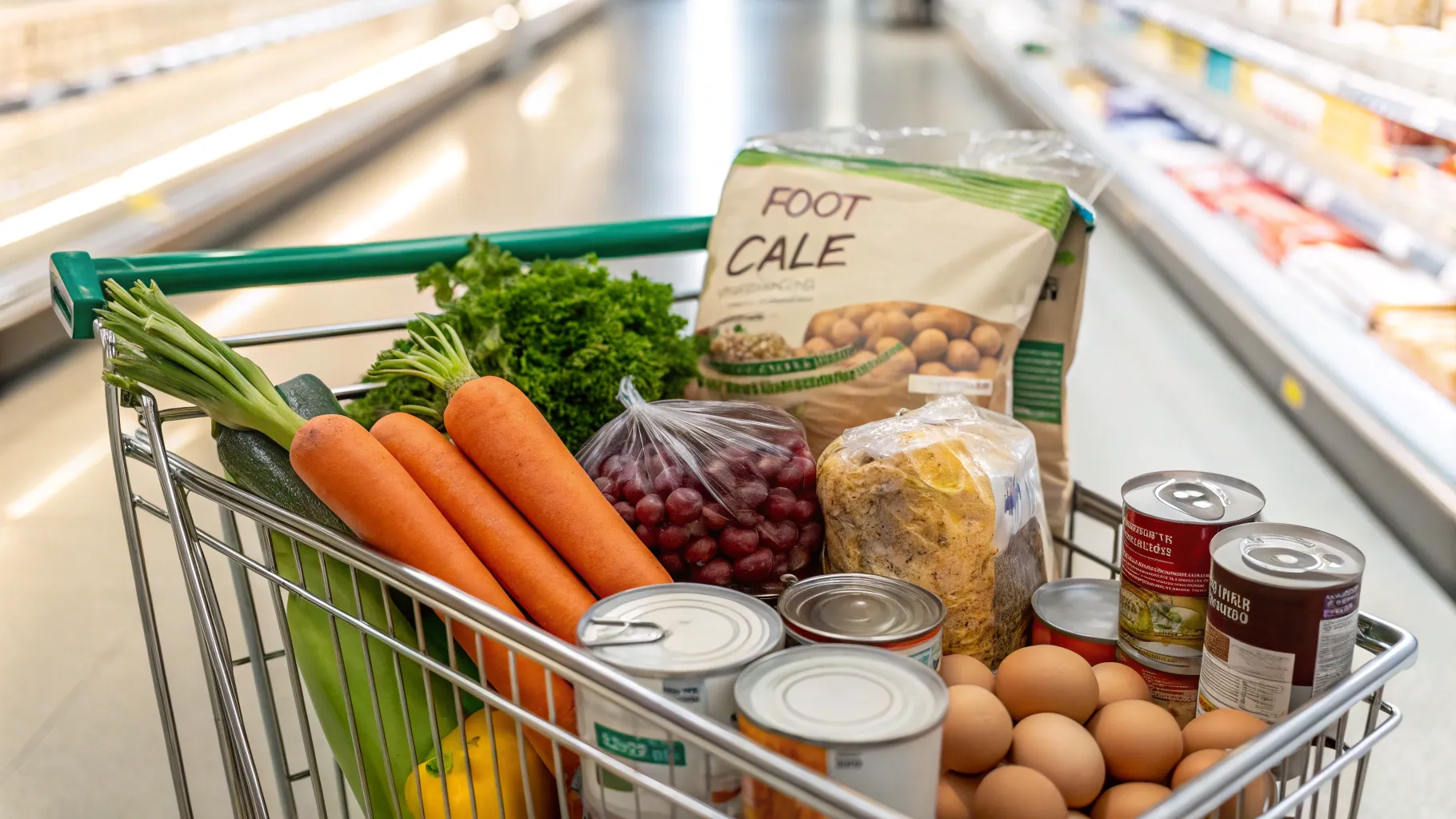
Staples like rice, pasta, dried beans, lentils, oats, eggs, potatoes, onions, and carrots are incredibly versatile and inexpensive. Having these items in your pantry makes it easier to create cheap meals and is a core strategy for how to grocery shop on a budget.
References
- The Bureau of Labor Statistics - Consumer Expenditure Survey
- Journal of Consumer Affairs - Studies on Shopping Behavior
- USDA Food Price Outlook
- Personal finance publications and consumer reports