Selecting the Ideal Sleeping Chair for Home Use: A Comprehensive Guide
Facts:
- Many adults seek multi-functional furniture for small living spaces.
- Demand for versatile and comfortable home seating is rising for busy professionals.
Understanding Your Needs for the Perfect Sleeping Chair
Choosing the right **sleeping chair for home use** involves more than just picking a stylish piece of furniture. It requires a thoughtful assessment of your specific needs, available space, and desired comfort level. A well-selected sleeping chair can transform a living room, study, or bedroom into a haven for relaxation, offering a designated spot for naps, reading, or simply unwinding after a long day. Considering factors like support, adjustability, and durability is crucial to ensure your investment provides lasting comfort and utility. Whether you are looking for an occasional nap spot or a permanent fixture for guests, the journey to finding the perfect **comfortable sleeping chair** starts with a clear understanding of its intended purpose and how it integrates into your daily life.
Exploring the Diverse Types of Sleeping Chairs for Home Use
The market offers an impressive array of designs when it comes to a **sleeping chair for home use**, each with unique advantages tailored to different preferences and requirements. Understanding these variations is key to making an informed decision that perfectly aligns with your lifestyle.
Recliner Chairs
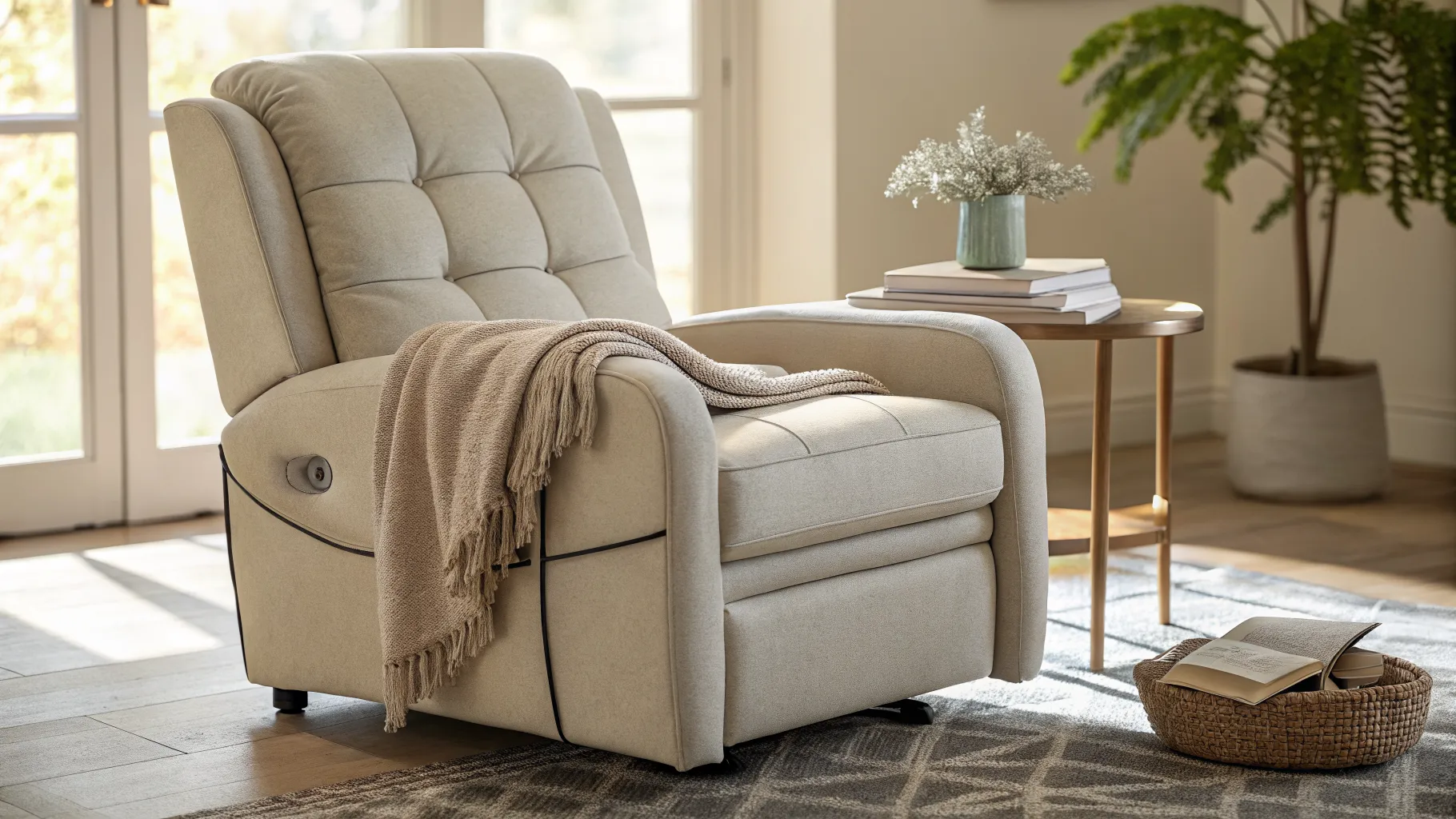
Traditional recliner chairs are perhaps the most common choice for those seeking a **comfortable sleeping chair**. These chairs typically feature a mechanism that allows the backrest to tilt backward and a footrest to extend forward, providing a semi-recumbent position ideal for napping or extended lounging. Modern recliners come in various forms, including manual, power, and even wall-hugger designs that save space. Many offer excellent lumbar support and often feature plush upholstery, making them a top contender for an **ergonomic sleeping chair**. Look for models with multiple recline positions to fine-tune your comfort.
Chair Beds and Convertible Options
For homes with limited space or those frequently hosting overnight guests, a **chair bed** presents an ingenious solution. These chairs cleverly transform from a standard armchair into a single bed, offering remarkable versatility. While the sleeping surface might not always match the luxury of a dedicated bed, the convenience and space-saving aspects are undeniable. When considering a **chair bed**, assess the ease of conversion and the quality of the mattress or padding provided, as this directly impacts the comfort for sleeping.
Zero-Gravity Chairs
Inspired by astronaut seating, zero-gravity chairs are designed to elevate your legs above your heart, distributing body weight evenly and reducing pressure on the spine. This unique recline position can promote better circulation and deep relaxation, making them an excellent option for a **sleeping chair for home use** for those with back pain or who simply desire a profoundly relaxing experience. While often more contemporary in design, some upholstered versions are suitable for indoor use and provide an unparalleled sense of weightlessness, distinguishing them from typical **recliners for sleeping**.
Key Factors in Choosing Your Ideal Sleeping Chair
Once you understand the types available, narrowing down your options requires a closer look at specific features and considerations that contribute to the overall experience and longevity of your new **sleeping chair for home use**.
Comfort and Support
The primary purpose of a **sleeping chair for home use** is to provide exceptional comfort. This encompasses the softness of the cushions, the quality of the internal padding (e.g., memory foam, high-resiliency foam), and the ergonomic design that supports your body's natural curves. Test various chairs if possible, paying close attention to lumbar support, neck support, and how your weight is distributed when reclined. An **ergonomic sleeping chair** should allow you to maintain a healthy spinal alignment even during extended periods of rest or sleep.
Material and Durability
The upholstery material significantly impacts both the feel and the lifespan of your **sleeping chair for home use**. Common options include leather, faux leather, various fabrics (velvet, linen, microfiber), and performance fabrics designed for stain resistance and durability. Consider your lifestyle; if you have pets or children, a robust, easy-to-clean material like microfiber or a treated performance fabric might be ideal. The frame's construction, typically hardwood or metal, also dictates durability. A sturdy frame ensures the chair can withstand regular use as a **comfortable sleeping chair** for years.
Space and Design Integration
Before purchasing, carefully measure the intended space for your **sleeping chair for home use**, especially if considering a recliner or **chair bed** that requires additional room to extend. Also, consider the chair's aesthetic and how it will complement your existing decor. A sleeping chair should not only be functional but also enhance the visual appeal of your room. Matching colors, textures, and styles will create a cohesive and inviting atmosphere, making the chair a natural extension of your home's design.
Additional Features and Technology
Modern **recliners for sleeping** often come equipped with an array of features designed to enhance convenience and relaxation. These can include built-in USB charging ports, integrated massage functions, heating elements, cupholders, and even swivel or gliding capabilities. While these additions can increase the price, they can significantly elevate the user experience. Evaluate which features are truly beneficial for your needs to avoid paying for unnecessary extras, ensuring your chosen **sleeping chair for home use** offers the perfect balance of technology and simplicity.
Comparing Popular Sleeping Chair Styles
When comparing different types of **sleeping chair for home use**, it's essential to weigh their respective benefits and drawbacks against your specific requirements. A classic recliner excels in providing immediate, cushioned comfort and multiple recline positions, making it an excellent choice for daily napping or extended relaxation sessions. Its primary focus is on individual comfort, often with robust mechanisms built for frequent use as a **comfortable sleeping chair**. However, recliners can be bulky and may not be the most aesthetically flexible option, demanding a dedicated space. In contrast, a **chair bed** offers unparalleled versatility, serving as an armchair by day and transforming into a single sleeping surface for guests by night. This dual functionality is invaluable for smaller living spaces or guest rooms, maximizing utility. While it may not offer the same deep ergonomic support as a specialized recliner, its adaptability is its strongest suit. Zero-gravity chairs, on the other hand, provide a unique therapeutic experience, promoting circulation and spinal relief through their specific reclined posture. They are an excellent option for individuals seeking health benefits alongside relaxation, presenting a modern alternative to traditional **recliners for sleeping**. Each style caters to a different priority, from pure ergonomic comfort to space-saving multi-functionality, making a direct comparison about what constitutes the 'best' dependent entirely on the individual user's context and preferences for a **sleeping chair for home use**.
Actionable Advice: Making Your Final Decision
Choosing the ideal **sleeping chair for home use** can be a significant decision. Follow these steps to ensure you make the best choice for your needs:
Define Your Primary Use: Clearly identify whether the chair will be used for daily naps, occasional guest sleeping, reading, or just general relaxation. This will guide your choice between a dedicated recliner, a **chair bed**, or a specialized zero-gravity chair.
Measure Your Space Accurately: Take precise measurements of the area where the chair will be placed, including when it is fully reclined or extended. Account for door swings, walkways, and other furniture to ensure a proper fit and comfortable movement around the room.
Test for Comfort and Support: If possible, sit in and recline various models in person. Pay attention to how the chair supports your head, neck, lumbar, and legs. Ensure the cushioning provides the right balance of softness and firmness for your body type, especially if you seek an **ergonomic sleeping chair**.
Consider Material and Maintenance: Select an upholstery material that aligns with your lifestyle. If you have pets, children, or a high-traffic area, prioritize durable, stain-resistant, and easy-to-clean fabrics. Understand the maintenance requirements for your chosen material.
Set a Realistic Budget: Determine how much you are willing to spend. While investing in a high-quality **sleeping chair for home use** is beneficial for longevity and comfort, there are excellent options across various price points. Balance features, materials, and brand reputation within your budget.
Read Reviews and Seek Recommendations: Consult online reviews from verified buyers and ask friends or family for recommendations. Real-world feedback can provide valuable insights into comfort, durability, and customer service for specific models or brands of **recliners for sleeping**.
Frequently Asked Questions
What is the difference between a recliner and a **chair bed**?
A recliner is designed primarily for comfortable sitting and reclining, offering various positions for relaxation or napping. A **chair bed**, however, is a convertible piece of furniture that functions as an armchair but can be unfolded or transformed into a single bed, providing a sleeping solution for guests or small spaces, making it a versatile **sleeping chair for home use**.
How important is lumbar support in a **comfortable sleeping chair**?
Lumbar support is extremely important, especially if you plan to spend extended periods in your **sleeping chair for home use** or if you suffer from back pain. Proper lumbar support maintains the natural curve of your spine, preventing discomfort and promoting better posture during rest or sleep, making it a key feature of an **ergonomic sleeping chair**.
Can a zero-gravity chair be a suitable **sleeping chair for home use**?
Yes, a zero-gravity chair can be an excellent **sleeping chair for home use**. Its unique recline position elevates the legs above the heart, distributing body weight evenly and reducing pressure on the spine and joints. This can lead to deep relaxation and is often recommended for individuals seeking therapeutic benefits or simply a profoundly comfortable nap, offering a distinct alternative to traditional **recliners for sleeping**.
References
- Furniture Today Industry Report on Home Comfort Solutions
- Ergonomics Journal of Seating Design Standards
- Consumer Reports Guide to Multi-functional Furniture
- Sleep Foundation Studies on Reclined Sleeping Positions
- Interior Design Magazine on Small Space Living Trends