How to Be a More Efficient Grocery Shopper: Smart Tips to Save Time
Facts:
- The average grocery trip takes over 40 minutes.
- Strategic shopping can reduce food waste by up to 25% for the average household.
Transform Your Shopping Routine: The Ultimate Guide
Wasting precious time wandering aimlessly through supermarket aisles is a common frustration. But what if you could reclaim that time? Becoming an efficient grocery shopper isn't about rushing; it's about being strategic and prepared. By adopting a few key habits, you can significantly save time grocery shopping, stick to your budget, and reduce the stress associated with this essential chore. This guide will provide you with the actionable strategies and smart grocery shopping tips you need to master your weekly shop.
Master the Pre-Shop Plan: Your Foundation for Success
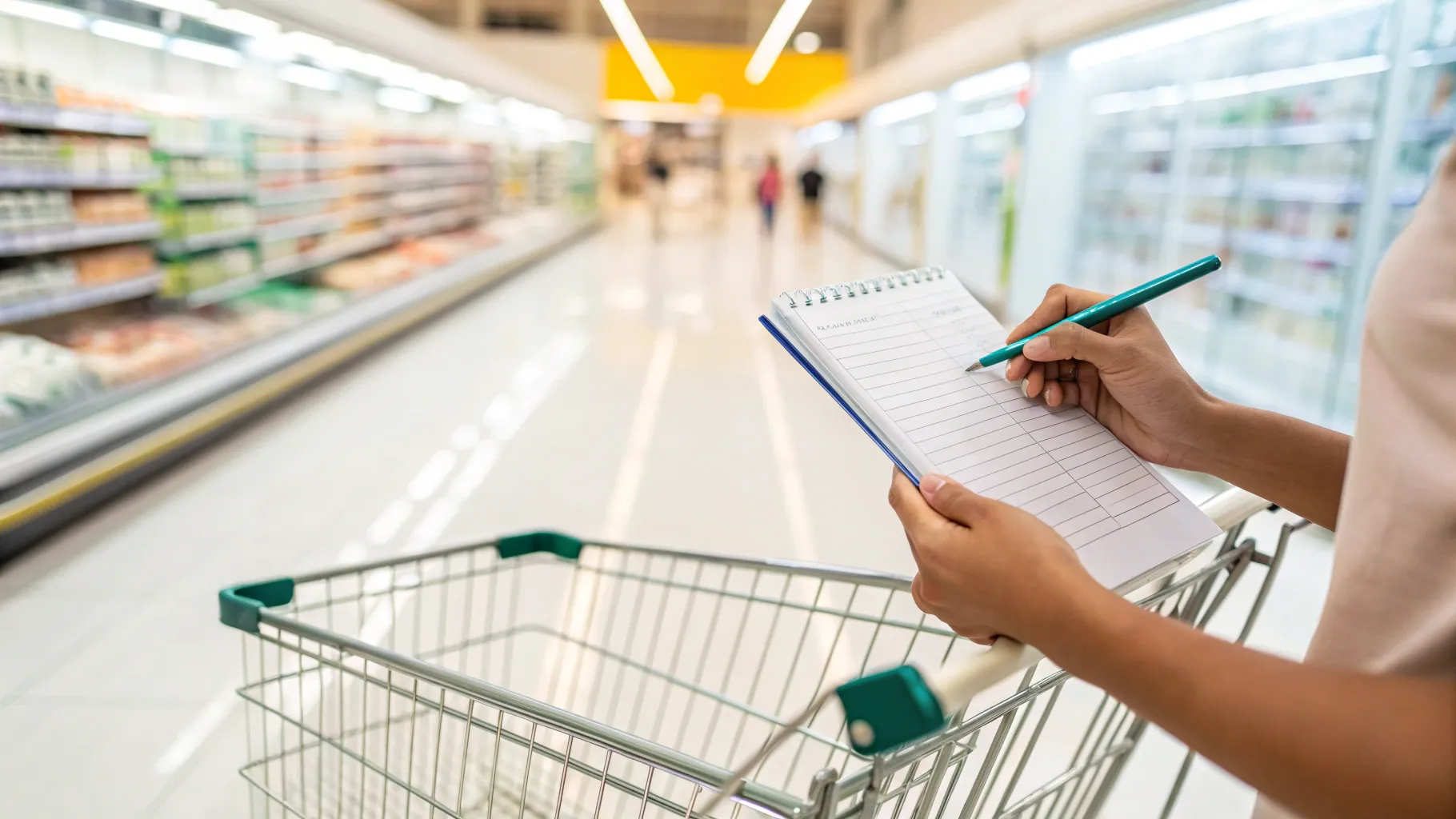
The journey to becoming an efficient grocery shopper begins long before you set foot in the store. A solid plan is the most critical tool in your arsenal. Start by taking a quick inventory of your pantry, fridge, and freezer. Knowing what you already have prevents buying duplicates and helps you build a more effective list. Plan your meals for the week, which not only streamlines your list but also helps you reduce grocery trips by ensuring you buy everything you need in one go. Create a detailed, organized list, preferably categorized by store section (produce, dairy, canned goods, etc.). This simple step prevents backtracking and is one of the most effective smart grocery shopping tips for achieving faster grocery shopping.
Navigate the Store Like a Pro: Strategy in the Aisles
Once you're at the store, your strategy shifts to execution. Many experts recommend shopping the perimeter of the store first. This is where fresh, whole foods like produce, meat, and dairy are typically located. By filling your cart with these essentials first, you're less likely to be tempted by processed foods in the center aisles. Be disciplined and stick to your list. Every item not on the list that you consider adds time and cost to your trip. Understanding your local store's layout is a huge advantage. After a few focused visits, you'll know exactly where everything is, allowing for a more direct and efficient path through the store. This spatial awareness is key to save time grocery shopping and avoid frustrating searches for that one specific item.
Timing Is Everything: The Secret to Crowd-Free Shopping
One of the biggest obstacles to faster grocery shopping is navigating crowded aisles and long checkout lines. The time you choose to shop can make a monumental difference. Weekday mornings, particularly Tuesday and Wednesday, are often the quietest times. Early evenings on weekdays can also be less chaotic than the post-work rush. Avoid weekends, especially Saturday and Sunday afternoons, if at all possible, as these are peak hours for most stores. Shopping during off-peak hours not only allows you to move more freely but also means shelves are more likely to be fully stocked and checkout lines are shorter, making the entire experience less stressful and much more efficient. Successfully timing your visit is a simple way to reduce grocery trips' overall duration.
Leverage Technology for Smarter Shopping
In today's digital age, your smartphone can be a powerful ally in your quest to become a more efficient grocery shopper. Numerous apps are designed to help you create, manage, and share grocery lists. Some apps even allow you to organize your list by aisle for specific stores. Consider using your store's proprietary app for digital coupons and weekly flyers, which can help you plan your purchases and save money without flipping through paper ads. For the ultimate in convenience and to save time grocery shopping, explore options like curbside pickup or delivery services. You can place your order online in minutes, completely eliminating in-store time and impulse buys, which is one of the best smart grocery shopping tips for busy individuals.
Actionable Steps for Faster Grocery Shopping
To truly streamline your process, integrate these specific habits into your routine. They are designed to make you a consistently efficient grocery shopper.
- Group Similar Items: On your list, group all produce, all dairy, etc. This minimizes zig-zagging across the store and ensures a logical flow from one section to the next.
- Use Reusable Bags Strategically: Bring several reusable bags and keep them open in your cart. You can sort items as you shop (e.g., one bag for produce, one for pantry items, one for frozen goods). This makes both checkout and unloading at home significantly faster.
- Choose the Right Checkout Line: Don't just look at the number of people. Assess the size of their carts. A line with three people holding baskets is much faster than a line with one person who has an overflowing cart. Many stores now have efficient self-checkout lanes perfect for smaller trips.
- Shop Alone if Possible: While it's not always an option, shopping solo is almost always faster. It allows you to focus on your list without distractions, leading to a much more efficient trip.
Frequently Asked Questions
What is the single most effective way to become an efficient grocery shopper?
The most impactful strategy is creating a detailed, organized shopping list before you go. A well-planned list, ideally categorized by store layout, is the foundation for a quick and focused trip, preventing backtracking and impulse buys.
How can I reduce grocery trips without running out of essentials?
Meal planning combined with a well-stocked pantry is key. Plan your meals for a week or more at a time. Keep a running list of staples (like oil, flour, pasta, canned goods) and restock them when they run low, not when they run out. This ensures you can make one comprehensive trip instead of several small ones.
Are there any apps that help with faster grocery shopping?
Yes, many apps are designed for this. Apps like AnyList or OurGroceries allow you to create and share lists that can be sorted by store aisle. Additionally, the official app for your preferred grocery store often has features like in-store maps, digital coupons, and even 'scan-and-go' technology that lets you skip the checkout line entirely.
References
- Retail Food Industry Time Management Studies
- Consumer Reports on Grocery Shopping Habits
- Journal of Consumer Psychology
- USDA Reports on Food Expenditures and Waste