How Psoriasis Is Treated: A Complete Guide to the Best Psoriasis Treatments
Facts:
- Over 90% of patients have plaque psoriasis.
- Biologic therapies represent a major advance for moderate to severe cases.
Understanding Your Psoriasis Treatment Journey
Finding the right approach for how to treat psoriasis can feel overwhelming, but significant advancements have created a wide array of effective choices. The goal of any treatment plan is to reduce inflammation, slow the rapid growth of skin cells, and remove scales for smoother skin. The specific path chosen depends heavily on the severity of the condition, the type of psoriasis, and the patient's overall health and lifestyle. Exploring the various psoriasis treatment options with a healthcare professional is the crucial first step toward managing symptoms and achieving long-term remission.
Topical Treatments: The First Line of Defense
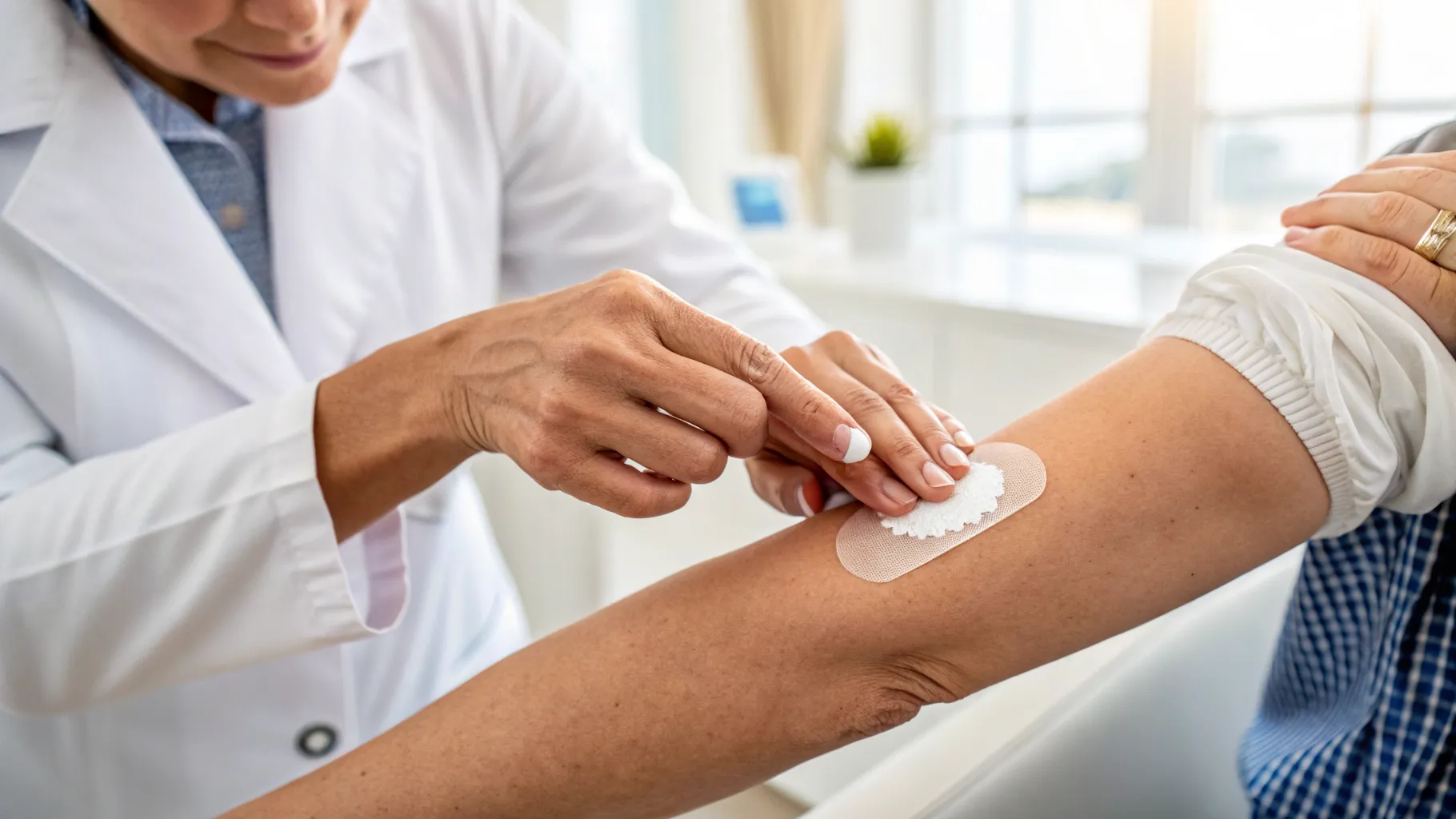
For mild to moderate psoriasis, topical treatments are typically the initial recommendation. These are medications applied directly to the skin to reduce inflammation and scaling. Corticosteroids are the most frequently prescribed topical psoriasis medication, available in various strengths. Other options include synthetic vitamin D analogues (like calcipotriene), which slow down skin cell growth, and retinoids (like tazarotene), which help normalize DNA activity in skin cells. Calcineurin inhibitors, such as tacrolimus and pimecrolimus, are also effective, particularly for sensitive areas like the face or skin folds, as they reduce inflammation without the risk of skin thinning associated with steroids. Combining these agents is a common strategy to maximize effectiveness.
Phototherapy: Harnessing the Power of Light
When topical treatments aren't enough, phototherapy, or light therapy, becomes a valuable option. This psoriasis therapy involves regularly exposing the skin to controlled amounts of natural or artificial ultraviolet (UV) light. The simplest form is controlled exposure to sunlight. In a clinical setting, narrowband ultraviolet B (NB-UVB) is the most common form of phototherapy, delivering a specific wavelength of light that is highly effective for treating psoriasis. Another method, PUVA, combines a light-sensitizing medication called psoralen with ultraviolet A (UVA) light. This powerful combination slows down excessive skin cell production and can clear psoriasis for significant periods. This is considered one of the best psoriasis treatments for widespread cases.
Systemic Medications: A Whole-Body Approach
For moderate to severe psoriasis, or when other treatments have failed, systemic medications that work throughout the body are necessary. These drugs are taken orally or by injection. Traditional systemic options include methotrexate, which decreases the production of skin cells and suppresses inflammation, and cyclosporine, a potent immunosuppressant that calms the immune system. Acitretin, an oral retinoid, is another option particularly useful for pustular psoriasis. These powerful forms of psoriasis medication require careful monitoring by a doctor due to potential side effects on the liver, kidneys, and blood pressure. Understanding how to treat psoriasis with these drugs involves regular blood tests and follow-ups.
Biologics: Targeted Psoriasis Therapy
Biologics represent a newer, more targeted class of systemic drugs. Given by injection or intravenous (IV) infusion, these protein-based drugs are derived from living cells and target specific parts of the immune system that fuel the disease process. Instead of suppressing the entire immune system like older drugs, biologics block the action of specific types of immune cells, like T-cells, or proteins like tumor necrosis factor-alpha (TNF-alpha) and various interleukins (IL-17, IL-23). This precise approach often leads to dramatic skin clearance with fewer widespread side effects, making them some of the best psoriasis treatments available today for those with severe psoriasis or psoriatic arthritis.
Choosing the Right Psoriasis Treatment Options
Deciding on a treatment plan is a collaborative process between you and your dermatologist. Factors to consider include the severity and location of your psoriasis, your medical history, potential side effects, and cost. For many, a combination approach is most effective. For instance, a patient might use a biologic medication for overall control while using topical creams for stubborn spots. It’s crucial to have an open discussion about the pros and cons of all available psoriasis treatment options to find a regimen that fits your life and provides the best possible results. Consistent follow-up is key to adjusting the psoriasis therapy as needed over time.
Frequently Asked Questions
Is there a cure for psoriasis?
Currently, there is no cure for psoriasis, but a wide range of treatments can effectively control symptoms, clear skin, and improve quality of life. The goal of modern psoriasis therapy is to achieve and maintain remission, making the condition manageable long-term.
What is the most effective psoriasis medication?
The effectiveness of a psoriasis medication varies greatly from person to person. For mild cases, topicals are very effective. For severe cases, biologics often provide the most significant and rapid clearance, making them among the best psoriasis treatments for those who qualify.
How can I find the best way on how to treat psoriasis for me?
The best way is to consult a board-certified dermatologist. They will assess your specific condition, discuss all the available psoriasis treatment options, and help you create a personalized plan that addresses your symptoms and health goals.
References
- National Psoriasis Foundation - Treatment Options
- American Academy of Dermatology (AAD) - Psoriasis Treatment Guidelines
- Journal of the European Academy of Dermatology and Venereology
- The New England Journal of Medicine - Psoriasis Reviews