How Psoriasis Is Treated: A Comprehensive Guide to the Best Psoriasis Treatments
Facts:
- Psoriasis affects over 3% of the U.S. adult population.
- Biologic therapies are a significant trend in modern psoriasis care.
Navigating Your Path to Clearer Skin: Understanding How Psoriasis Is Treated
Psoriasis is a chronic autoimmune condition that accelerates the life cycle of skin cells, causing them to build up rapidly on the surface of the skin. These extra cells form scales and red patches that are sometimes itchy and painful. Understanding how to treat psoriasis is the first step toward managing the condition and improving quality of life. The journey involves exploring a wide range of psoriasis treatment options, from simple creams to sophisticated biologic drugs, tailored to the individual's specific needs and the severity of their condition. Finding the right approach is key to controlling symptoms and achieving long-term remission.
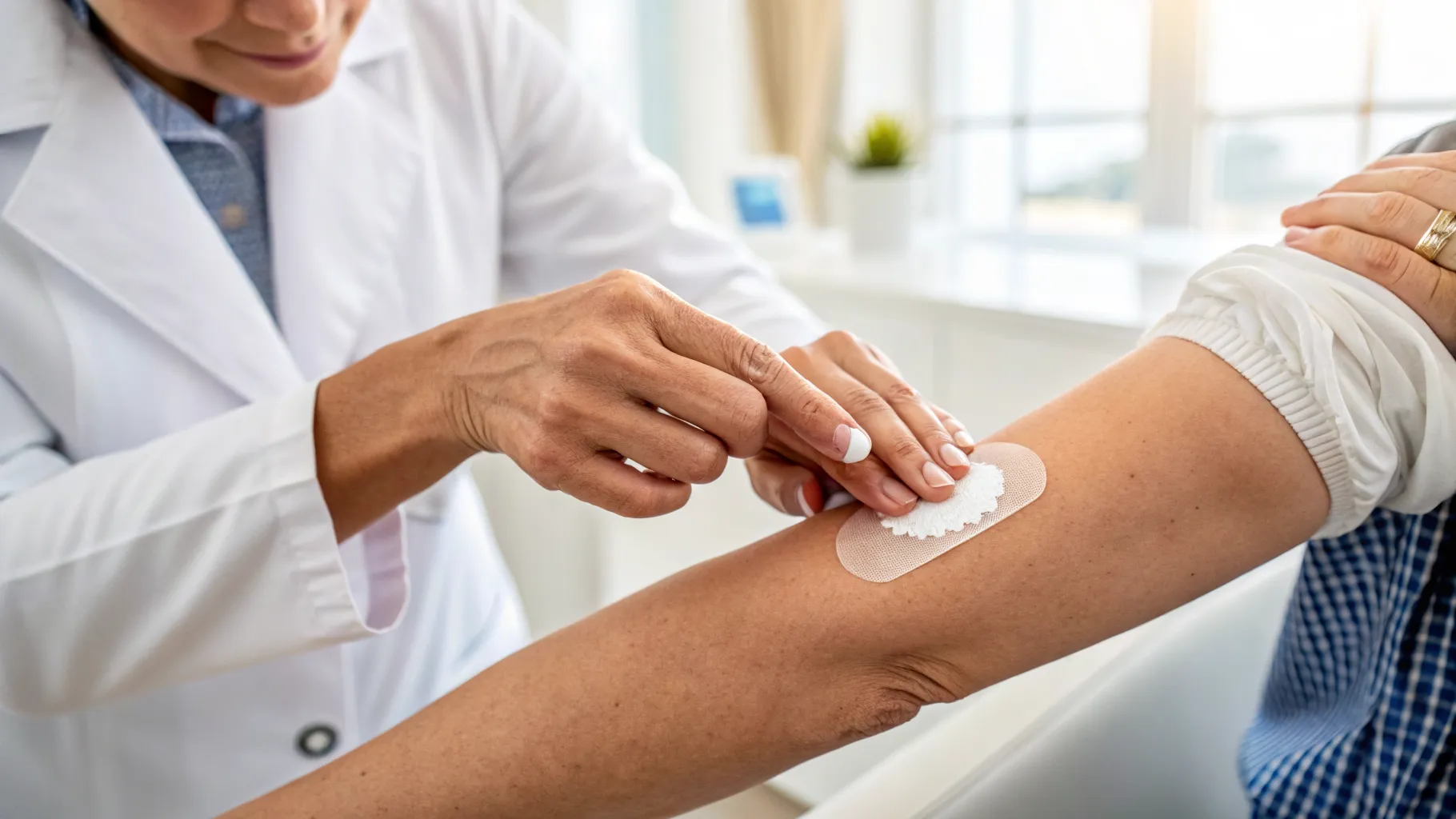
Topical Treatments: The First Line of Defense
For most people with mild to moderate psoriasis, topical treatments are the initial and most common form of psoriasis medication prescribed. These are medications applied directly to the skin to reduce inflammation and slow down excessive skin cell production. The cornerstone of topical therapy often includes corticosteroids, which are powerful anti-inflammatory agents available in various strengths. Other effective options include Vitamin D analogues (like calcipotriene), which help to flatten lesions and remove scale, and topical retinoids (such as tazarotene) that normalize DNA activity in skin cells. Calcineurin inhibitors are another class, particularly useful for sensitive areas like the face or skin folds, as they reduce inflammation without the risk of skin thinning associated with steroids. These varied psoriasis treatment options allow for a customized approach to managing localized symptoms effectively.
Phototherapy: Harnessing Light for Healing
When topical treatments are not enough, or the psoriasis is more widespread, doctors may recommend phototherapy. This form of psoriasis therapy involves regularly exposing the skin to controlled amounts of natural or artificial ultraviolet (UV) light. The most common type is narrowband ultraviolet B (NB-UVB) light, which has proven to be one of the best psoriasis treatments for clearing plaques. The treatment involves standing in a light box for a few minutes, several times a week. Another method is PUVA (psoralen plus ultraviolet A), which combines a light-sensitizing medication (psoralen) with UVA light exposure. While highly effective, phototherapy requires a significant time commitment and consistent sessions at a dermatologist's office or with a home unit. It's a powerful tool in learning how to treat psoriasis that is resistant to creams and ointments alone.
Systemic Medications: Treating Psoriasis from Within
For moderate to severe psoriasis, or when other treatments have failed, systemic medications are often necessary. These drugs work throughout the body and are administered orally or by injection. Traditional systemic psoriasis medication includes methotrexate, which slows cell turnover and suppresses the immune system, and cyclosporine, a potent immunosuppressant typically used for short-term control of severe flare-ups. Another oral option is acitretin, a retinoid that can be effective, especially for pustular and erythrodermic psoriasis. These powerful medications require careful monitoring by a physician due to potential side effects on the liver, kidneys, and blood pressure. They represent a crucial step up in the hierarchy of psoriasis treatment options for those with significant disease burden.
Biologics: The New Frontier in Psoriasis Therapy
Biologics represent a revolutionary advancement and are often considered among the best psoriasis treatments for moderate to severe cases. Unlike traditional systemic drugs that broadly suppress the immune system, biologics are a targeted psoriasis therapy. They are lab-engineered proteins that block specific parts of the immune system, such as T-cells or inflammatory proteins like tumor necrosis factor-alpha (TNF-alpha) and various interleukins (IL-17, IL-23), which are key drivers of psoriasis. This precision targeting often leads to excellent results with fewer widespread side effects. These drugs, administered by injection or infusion, have transformed the outlook for many patients, offering the possibility of nearly clear or completely clear skin. They are a testament to how far the science of treating psoriasis has come.
Actionable Steps to Support Your Psoriasis Treatment
Managing psoriasis effectively goes beyond medical prescriptions. Integrating supportive lifestyle habits can significantly enhance the efficacy of any psoriasis therapy and improve your overall well-being. Knowing how to treat psoriasis holistically is a vital part of the management plan. Here are actionable steps you can take:
- Maintain Skin Hydration: Moisturize your skin daily with a thick, fragrance-free cream or ointment. This helps reduce redness, scaling, and itching by locking in moisture and protecting the skin barrier. Applying moisturizer after bathing is particularly effective.
- Identify and Avoid Triggers: Common psoriasis triggers include stress, skin injury (the Koebner phenomenon), certain medications, infections (like strep throat), and heavy alcohol consumption. Keeping a journal can help you identify personal triggers to avoid future flare-ups.
- Adopt an Anti-Inflammatory Diet: While not a cure, a diet rich in fruits, vegetables, lean proteins, and omega-3 fatty acids can help reduce systemic inflammation. Limiting processed foods, red meat, and dairy may also be beneficial for some individuals.
- Manage Stress Levels: High stress is a well-known trigger for psoriasis flares. Incorporate stress-reducing practices like meditation, yoga, deep breathing exercises, or regular physical activity into your routine to support both your mental and skin health.
Frequently Asked Questions
What are the most common psoriasis treatment options?
The most common psoriasis treatment options vary by severity. For mild cases, topical treatments like corticosteroids, vitamin D analogues, and moisturizers are standard. Moderate to severe cases often require phototherapy (light therapy) or systemic medications, including oral drugs like methotrexate or advanced biologic injections that target specific immune responses.
Can psoriasis be cured with the best psoriasis treatments available today?
Currently, there is no cure for psoriasis. However, with the best psoriasis treatments available, such as biologic therapies, it is possible to achieve long-term remission where symptoms are significantly reduced or completely cleared for extended periods. The goal of modern treatment is to manage the condition effectively and maintain a high quality of life.
How does psoriasis medication for systemic treatment work?
Systemic psoriasis medication works from inside the body to control the overactive immune response and rapid skin cell growth that cause psoriasis. Traditional systemics, like methotrexate, broadly suppress the immune system. Newer biologics are more targeted, blocking specific inflammatory pathways that are known to drive the disease, which often results in higher efficacy and a different side-effect profile.
References
- National Psoriasis Foundation: Treatment Options
- American Academy of Dermatology Association: Psoriasis Treatment Guidelines
- Journal of the American Medical Association (JAMA): Advances in Psoriasis Therapy
- The New England Journal of Medicine: Psoriasis Pathophysiology and Treatment